Abstract:The Financial Commission (FinCom), a self-regulatory body in the financial services industry, expelled FX and CFDs broker Fiber Markets from its membership on Friday, claiming a violation of contract. The judgement went into effect on September 7, 2022.
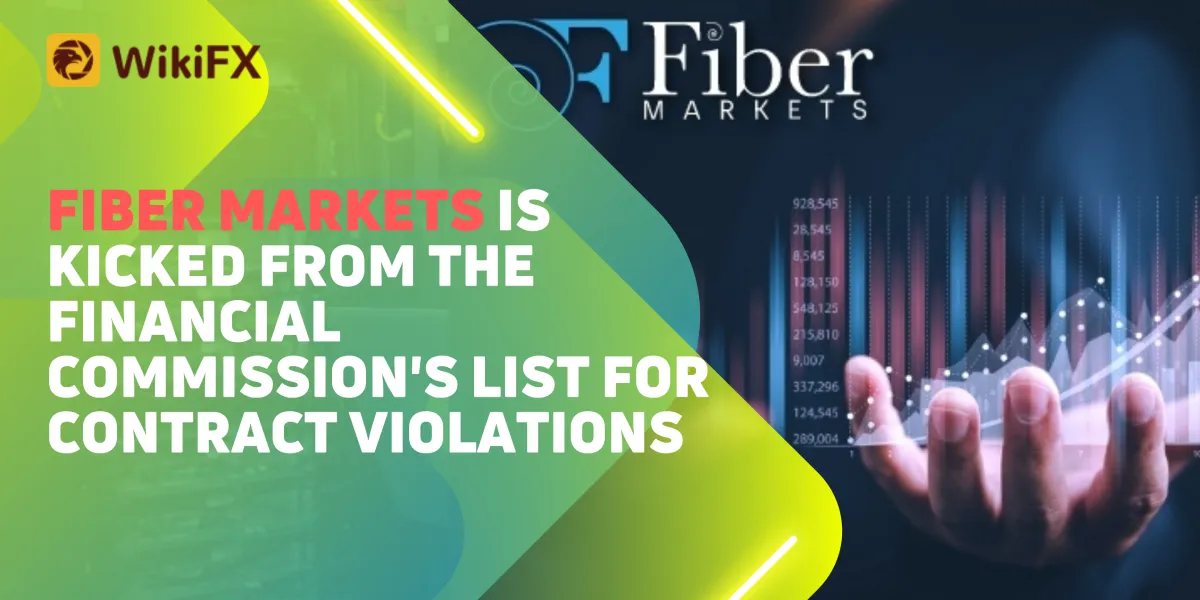
The membership came to an end on September 7.
Clients of Fiber Markets will no longer get any FinCom services.
The Financial Commission (FinCom), a self-regulatory body in the financial services industry, expelled FX and CFDs broker Fiber Markets from its membership on Friday, claiming a violation of contract. The judgement went into effect on September 7, 2022.
Furthermore, FinCom said that the broker repeatedly violated the membership agreements on the payment of membership dues.
“To maintain membership with the Financial Commission, member firms must strictly adhere to membership rules, and all members agree to comply with Financial Commission rules as one of many prerequisites for initial membership approval and to maintain good standing,” according to FinCom's official announcement.

FinCom is a self-regulatory organisation that provides a broad variety of services and advantages to its members. In any disagreement between a member broker and its customers, it functions as a third-party mediator.
Furthermore, a FinCom membership provides up to €20,000 in fund protection per client, which is backed by the Financial Commission's Compensation Fund.
With the eviction of Fiber Markets, FinCom will discontinue supplying its services to Fiber Markets. Furthermore, it said that it would not consider any new complaints from Fiber Markets customers, who will be ineligible for payment from the Financial Commission's compensation fund.
FinCom removed LordFX and EGMarkets from their membership earlier this year for breaking rules and norms. GANN Markets, on the other side, elected to resign from the organisation.
Meanwhile, numerous large and small brokerage firms are joining FinCom. Fullerton Markets, Pepperstone, Agra Markets, and Inveslo are among the brokers that joined FinCom this year.
Concerning Fiber Markets
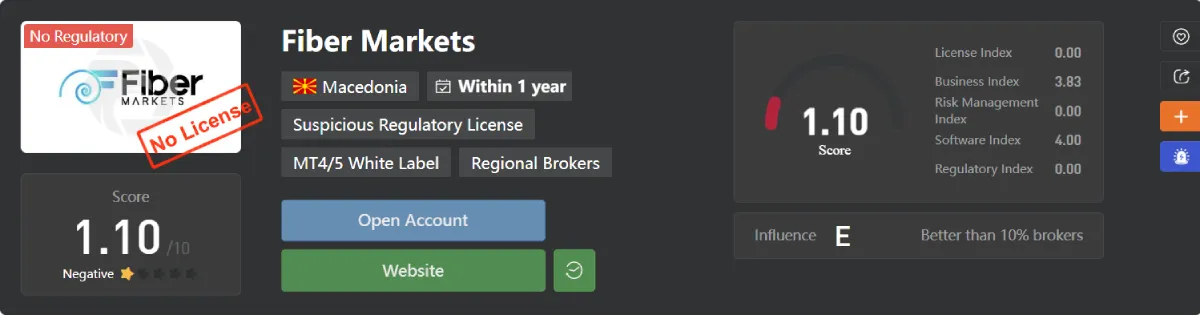
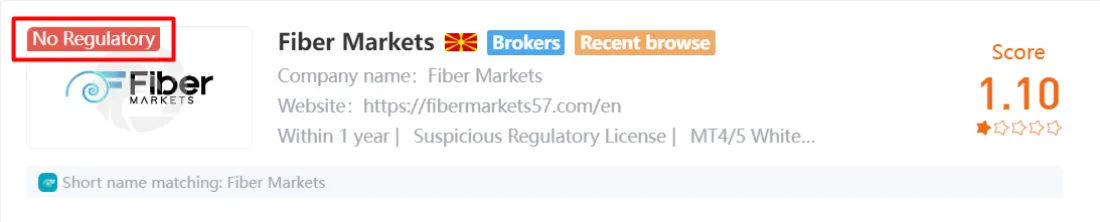
A check at their website reveals that they are not governed by any regulatory body. That is a VERY BIG RED FLAG!! That should be reason enough not to invest with them. They also collaborate with websites that provide “Automated trading software,” which is another red flag since these kind of websites are renowned for scamming schemes.
So Fiber Markets is simply another unregulated forex broker, which means consumers are not protected, and it is quite probable that they will get away with your hard-earned money with no governing body to hold them accountable.
About WikiFX
Wikifx is a platform for searching worldwide company financial information. Its fundamental job is to give basic information searching, regulatory licence seeking, credit assessment, platform identification, and other services to the included foreign exchange trading firms.
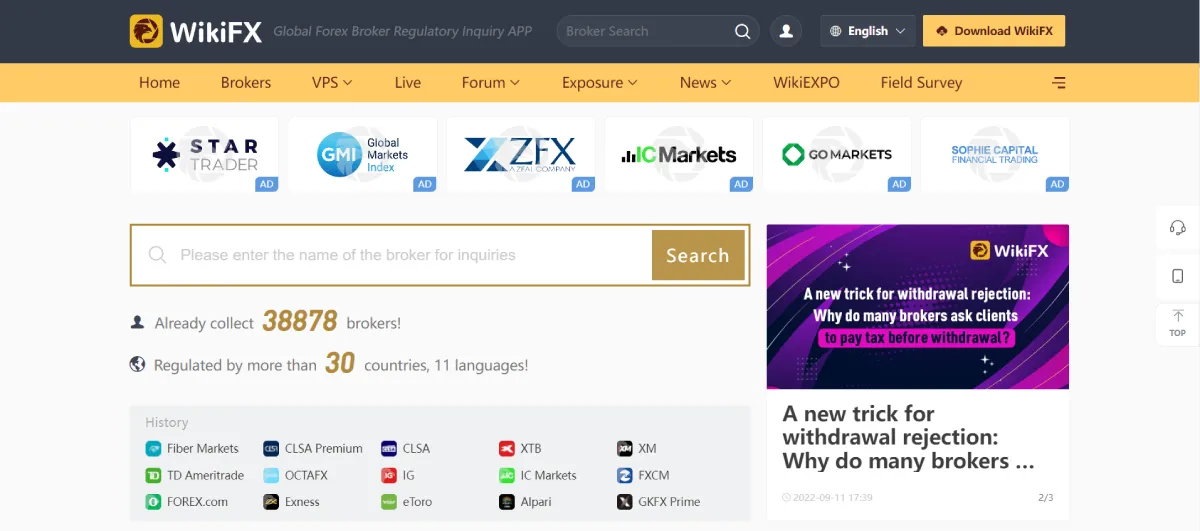
Wikifx has created a big data solution that unifies data gathering, data screening, data aggregation, data modelling, and data productization using public data from government agencies, sophisticated sniffer systems, and scientific computer algorithms. Wikifx may then assess the supervision and risk levels of the associated organisations across several dimensions and give matching security solutions to individual users, corporate users, and government agencies.
How can I avoid using an unregistered broker like Fiber Markets?
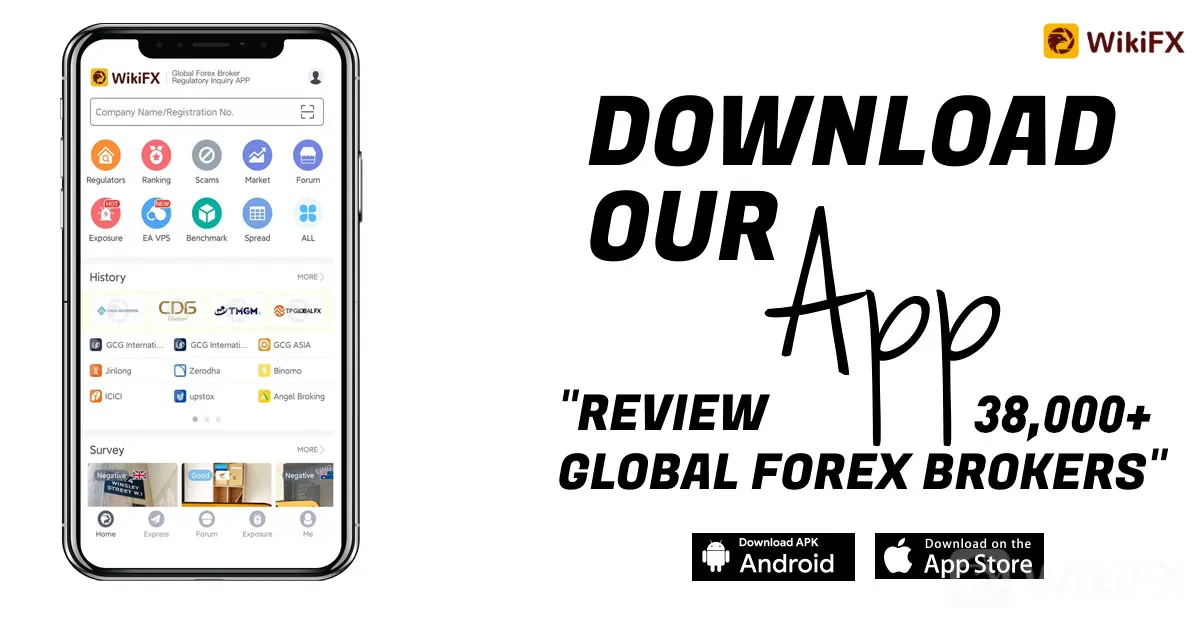
The first and most critical step is to confirm the broker's registration. A WikiFX software has been developed to let traders simply study and check broker rules. WikiFX now lists over 38,000 brokers, both legal and unregistered. It has also collaborated with 30 financial regulators. You don't need to ask a broker for further information; WikiFX can answer all of your questions simply by utilising the app.
Keep an eye out for more broker news.
Get the WikiFX App from the App Store or Google Play Store.