Abstract:HSBC, Citi, RBC, and Morgan Stanley fined £104.4M by CMA for sharing sensitive bond market info, distorting UK gilts competition from 2009-2013.
Four of the world's top banks—HSBC, Citi, Royal Bank of Canada (RBC), and Morgan Stanley—have been fined a total of £104.4 million as part of a major crackdown on financial malfeasance. The sanctions result from traders at these institutions engaging in illegal operations inside the UK bond market, notably involving government gilts, between 2009 and 2013. The UK's regulatory agency, the Competition and Markets Authority (CMA), discovered that traders used secret chat rooms to transfer crucial market knowledge, harming fair competition.
The CMA's inquiry indicated that these talks regarding buying and selling UK gilts (bonds issued by the British government) had a direct impact on the bond market. Royal Bank of Canada received the biggest penalty of £34.2 million, followed by Morgan Stanley at £29.7 million. HSBC was fined £23.4 million, while Citi received £17.2 million. Each bank's penalties were lowered after deciding to settle with the CMA, with Citi receiving the largest discount for being the first to comply.
Interestingly, a fifth participant, Deutsche Bank, avoided any fines by self-reporting its involvement in the plan. This early disclosure provided full immunity under the CMA's leniency program. The regulator found that RBC and Deutsche Bank traders were the most frequent violators, sharing sensitive bond market information 41 times over a four-year period.
Juliette Enser, the CMA's executive director of competition enforcement, highlighted the case's larger ramifications. “The financial services sector powers the UK economy, driving billions in revenue annually,” she told us. “These fines underscore our resolve to stamp out competition law violations that threaten its integrity.” The fines send a strong message to financial behemoths about the consequences of manipulating the bond market.
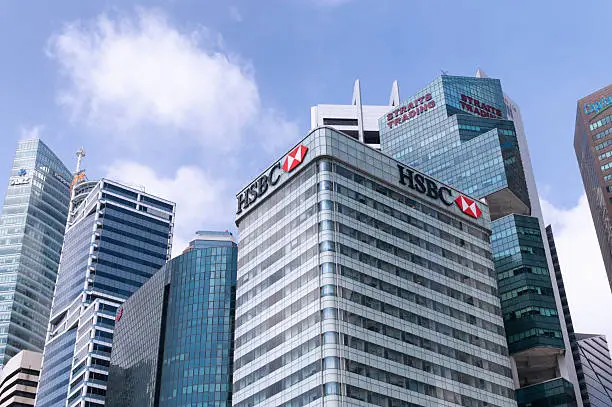
The infractions happened at a critical period when the Bank of England was actively acquiring gilts to help support the economy following the 2008 financial crisis. The timing of breaches differed between institutions, with HSBC's transgressions ending in 2010 and Morgan Stanley's continuing until 2012. During this moment of financial recovery, the traders' activities were especially detrimental since they interrupted a vital market process.
Since the CMA initiated its investigation in 2018, the institutions involved have implemented tougher compliance processes to prevent similar activity. Some had already been strengthening internal controls before the probe began, reflecting an industry-wide trend toward responsibility. Nonetheless, the sanctions further damage the reputation of major banking firms, which have been repeatedly scrutinized for market wrongdoing.
For regulators, this case is both a triumph and a warning. The CMA's targeting of the bond market, a cornerstone of government finance, intends to discourage future violations that might undermine the UK's financial structure. The £104.4 million in fines underlines not just the scope of the misbehavior, but also the necessity of protecting competition in an industry critical to economic health.
As the dust settles, the focus is on ensuring that the bond market runs openly. With HSBC, Citi, RBC, and Morgan Stanley all held accountable, the banking industry is under fresh pressure to maintain ethical standards—or face even worse repercussions.