

Global Broker Regulation Inquiry App
About WikiFX


Zelensky Signals Openness to Ceasefire, Raising Hopes for Europe’s Economic Recovery

WikiFX
|


Abstract:Zelensky’s openness to freezing front lines could ease Europe’s energy pressures, improve investor confidence and unlock reconstruction opportunities. However, sanctions, defence spending and Ukraine’s rebuilding costs remain key economic challenges.
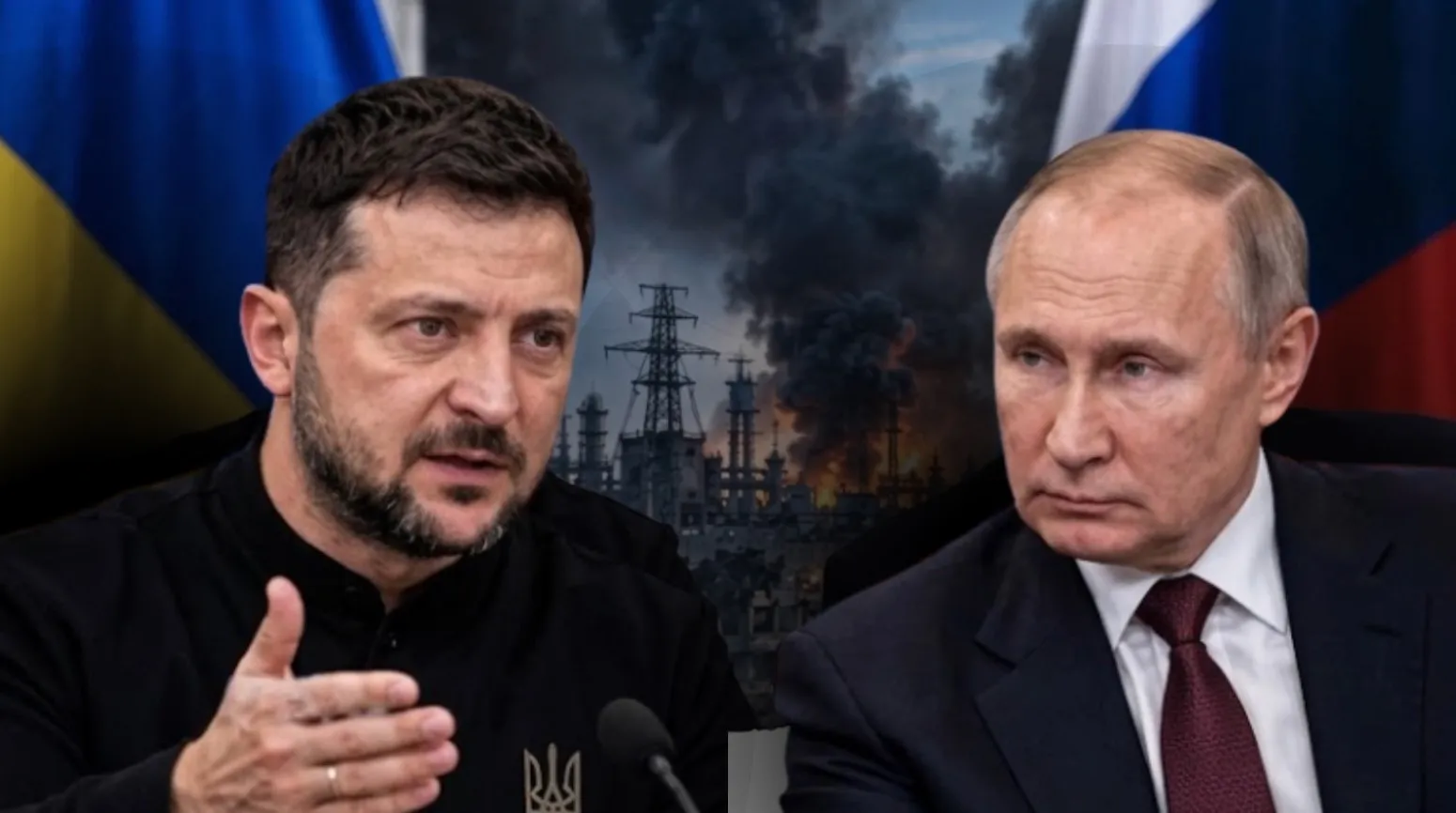
Ukrainian President Volodymyr Zelensky‘s willingness to freeze the current front lines has raised the prospect of a ceasefire with Russia, potentially opening a new chapter for Europe’s economy. While no peace agreement has been reached, renewed diplomatic efforts could have significant implications for energy prices, investment, defence spending and the regions growth outlook.
Energy Prices and Inflation in Focus
For European businesses and households, one of the biggest potential benefits of a ceasefire would be reduced geopolitical uncertainty and possible relief in energy markets.
Europe has faced renewed pressure from rising energy costs. According to a European Parliament briefing on the October European Council meeting, EU leaders were told that gas prices had risen 140% since the end of February, while diesel prices had doubled. Imported fossil fuels had cost Europe an additional €100 billion, without providing additional energy supplies. These increases reflect broader geopolitical disruptions, including the conflict in the Middle East, rather than the Ukraine war alone.
A ceasefire in Ukraine could reduce some of the geopolitical risk premium embedded in energy prices. However, lower prices are not guaranteed. The extent of any relief would depend on the durability of the agreement, the future of sanctions against Russia and whether Russian energy supplies to Europe could recover. A fragile ceasefire without sanctions relief may produce only limited economic benefits.
Investment and Reconstruction Could Support Growth
A reduction in hostilities could also improve business confidence, encourage investment and create opportunities for European companies involved in infrastructure, construction, energy and industrial equipment.
Ukraines eventual reconstruction could generate substantial demand for European engineering firms, manufacturers and construction companies. Improved confidence and lower geopolitical uncertainty could also support household spending and private investment across the region.
Oxford Economics estimates that even a fragile ceasefire could lift EU GDP by around 0.5 percentage points by 2030, largely reflecting higher defence spending. The estimate is scenario-based, however, and should not be interpreted as a guaranteed boost from peace itself.
The Next Economic Battleground: Growth, Security and Investment
A ceasefire would not automatically restore Europes prewar economic relationship with Russia. Sanctions could remain in place, trade links may take years to rebuild, and companies could remain cautious about returning to the Russian market.
Europe would also face continued pressure to strengthen its defence capabilities and maintain financial support for Ukraine. Higher defence spending could benefit domestic manufacturers and support industrial activity, but it would also compete with other public priorities.
The bigger question is whether a ceasefire could reshape Europes economic priorities. If energy markets stabilize and reconstruction begins, capital could gradually flow toward infrastructure, industrial investment and growth.
For European policymakers, the challenge will be balancing those opportunities against the cost of rebuilding Ukraine and maintaining long-term security. The decisions made in the coming months could influence Europes economic competitiveness for years to come.
Disclaimer:
The views in this article only represent the author's personal views, and do not constitute investment advice on this platform. This platform does not guarantee the accuracy, completeness and timeliness of the information in the article, and will not be liable for any loss caused by the use of or reliance on the information in the article.
WikiFX Broker
Latest News
Nigeria's Weekly Dollar Trading Falls 22% to $2.62 Billion as Forward Deals Plunge
WikiFXInside WeTrade’s Exclusive Houston Rockets VIP Experience in Macao
WikiFXCFI Puts a Trading Behaviour Score and AI Assistant Inside Its App
WikiFXFirst Light News: Chip Bounce Fails to Inspire Asia & France Weighs on Europe
WikiFXMan Sells His House to Invest, Only to Lose RM132,590 in Forex Scam
WikiFXRBI Tightens Rupee Derivative Rules as Currency Hovers Near Record Low
WikiFXLeading the Transparency Movement, The Trust Dialogue with Vatee
WikiFXOtetMarkets Review 2026: Reported Account Block, Bonus Abuse & Withdrawal Delay Claims
WikiFX92 Claims, No Sources: The Trump Scorecard Line That Touches India
WikiFXEMAR MARKETS Review: What Traders Should Know Before Depositing
WikiFX