

Global Broker Regulation Inquiry App
WikiFX
English
简体中文
繁體中文
English
Pусский
日本語
ภาษาไทย
Tiếng Việt
Bahasa Indonesia
Español
हिन्दी
Filippiiniläinen
Français
Deutsch
Português
Türkçe
한국어
العربية

HFM Review: Regulation, Licences and WikiScore Analysis
Abstract:This in depth HFM review examines the regulatory framework, licensing structure, and supervisory standing of HFM, formerly known as HotForex, based on publicly available information listed on WikiFX.
This in depth HFM review examines the regulatory framework, licensing structure, and supervisory standing of HFM, formerly known as HotForex, based on publicly available information listed on WikiFX. As a global broker regulatory query platform, WikiFX evaluates brokers through measurable indicators including licensing status, operational history, and compliance records.
HFM currently holds a WikiScore of 7.06 out of 10. This rating places the broker within a relatively established segment of the industry when assessed against other trading providers listed on the platform. The score reflects the brokers regulatory coverage across multiple jurisdictions, as well as other risk control and operational metrics monitored by WikiFX.
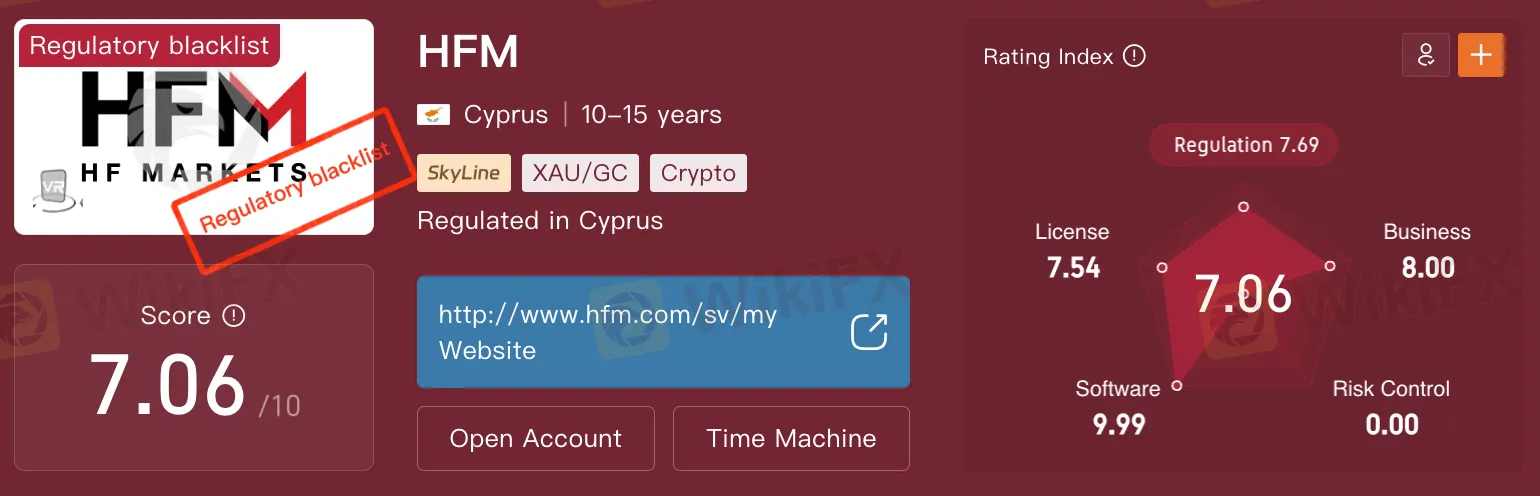
View WikiFXs full review on HFM here: https://www.wikifx.com/en/dealer/7391713958.html
For traders, particularly those based in Malaysia, understanding how these licences function in practice is essential when evaluating the level of protection available.
HFM operates under licences issued by several financial regulators across Europe, the Middle East, Africa, and offshore jurisdictions. Each of these regulators applies its own supervisory standards, capital requirements, and conduct of business rules.
Cyprus Securities and Exchange Commission
HFM is authorised by the Cyprus Securities and Exchange Commission under a Market Making Licence. CySEC functions as the national regulator of investment firms in Cyprus and operates within the broader European Union financial framework.
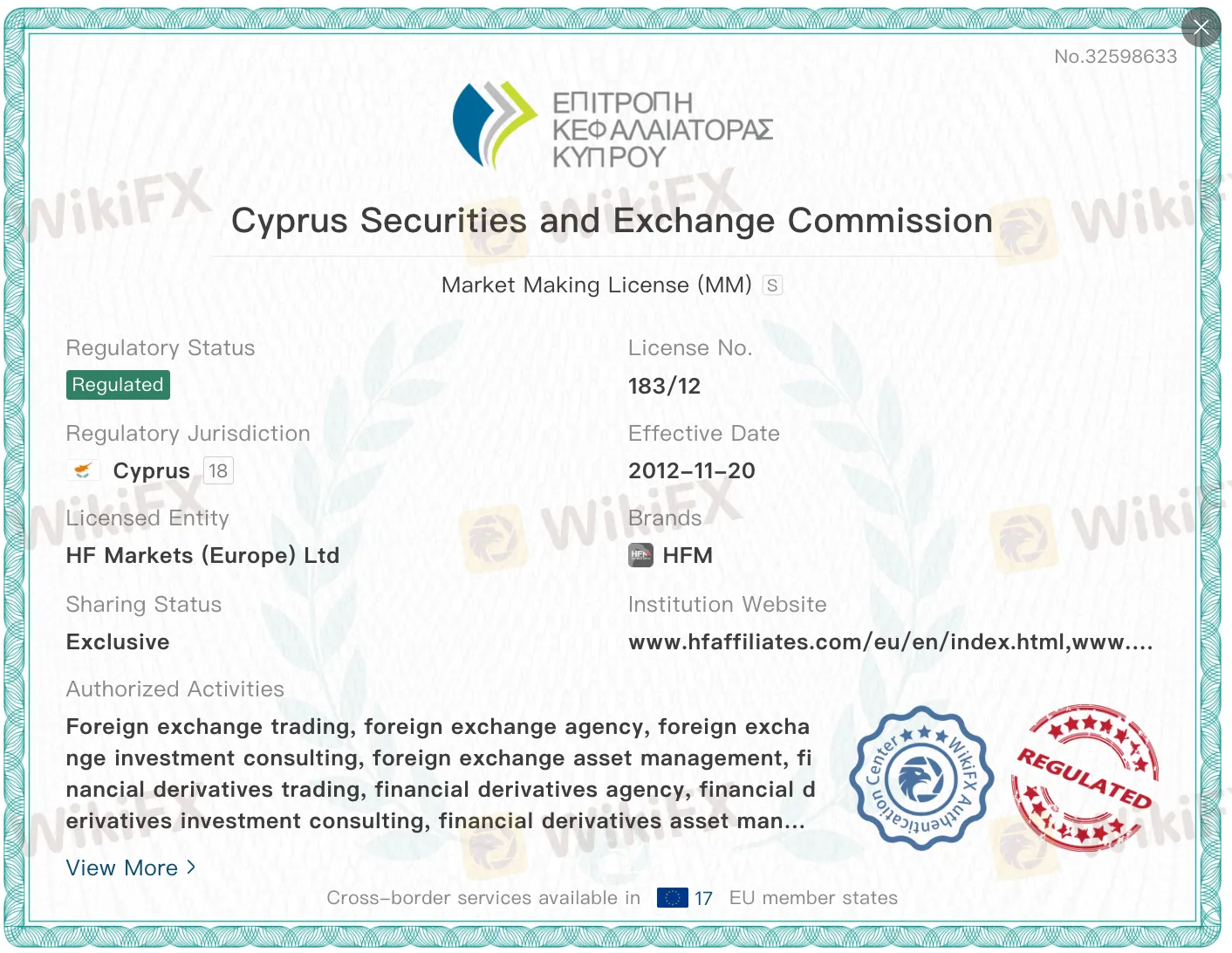
CySEC regulated entities must comply with European directives governing transparency, capital adequacy, and investor protection. Firms are required to maintain segregated client accounts and to adhere to reporting standards designed to promote financial stability.
This licence enables HFM to provide services within the European Economic Area under applicable European legislation.
Financial Conduct Authority of the United Kingdom
HFM also holds a Forex Execution Licence issued by the Financial Conduct Authority of the United Kingdom. The FCA is widely recognised as one of the more stringent financial regulators globally. It supervises investment firms, trading providers, and financial intermediaries operating within the United Kingdom.
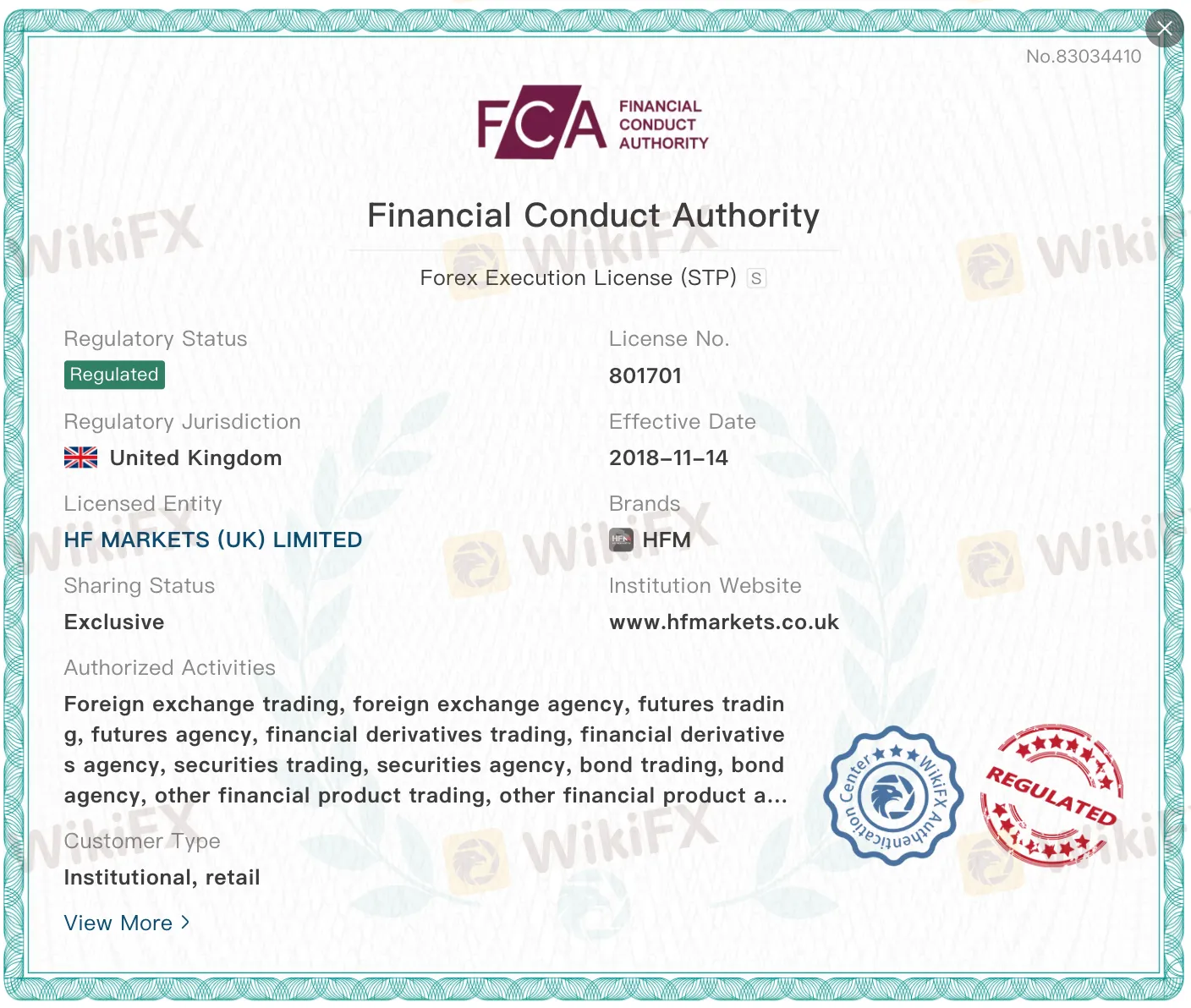
FCA regulated brokers must comply with strict financial reporting obligations and capital requirements. They are also required to segregate client funds from company operating funds. In addition, they must implement complaint handling procedures and meet standards relating to fair treatment of customers.
Under the FCA framework, the licence classification indicates that HFM operates as a Straight Through Processing broker within that jurisdiction, meaning client orders are typically passed to liquidity providers rather than being internally matched.
Dubai Financial Services Authority
HFM is licensed by the Dubai Financial Services Authority under a Derivatives Trading Licence. The DFSA regulates financial services conducted within the Dubai International Financial Centre.
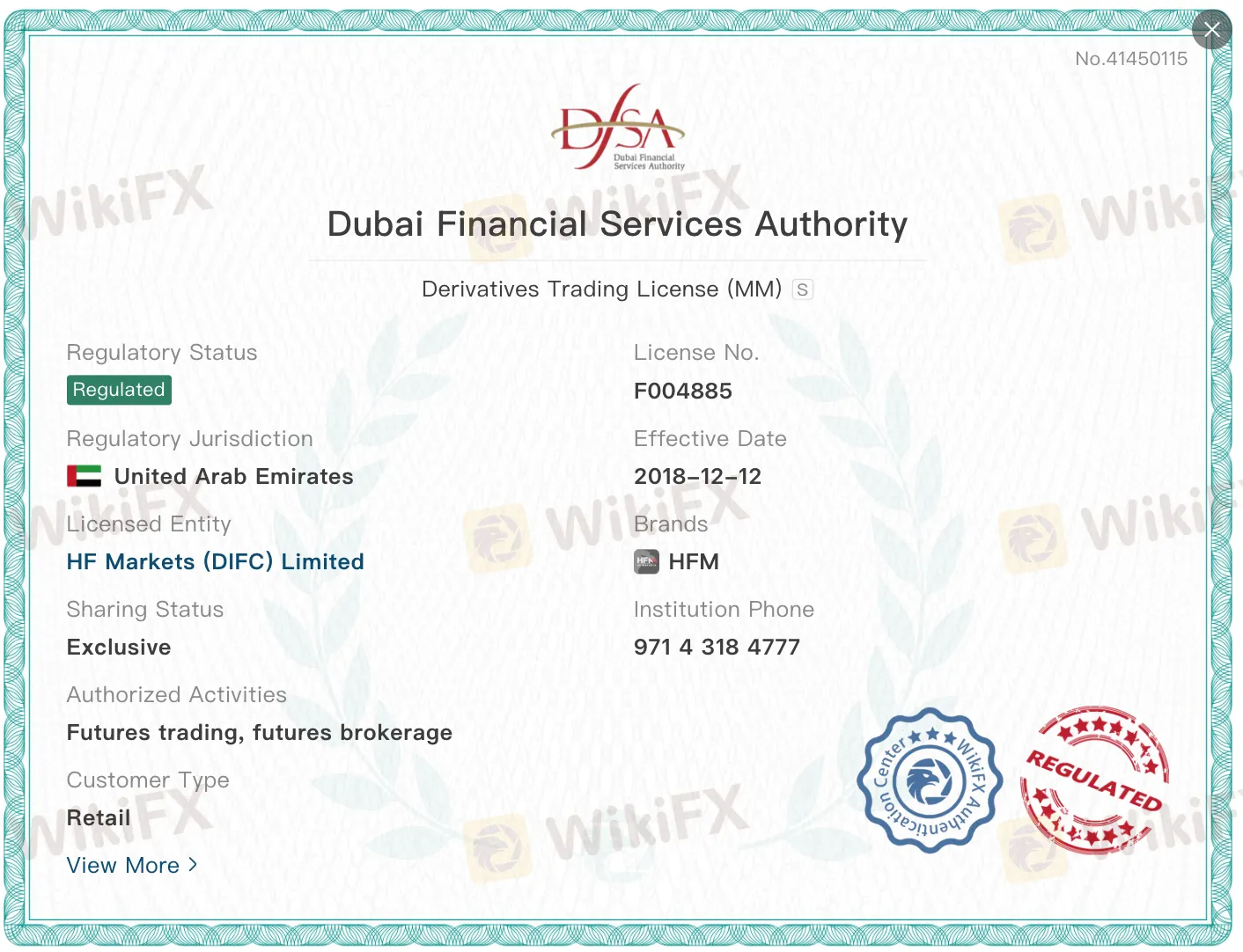
The DFSA applies supervisory standards covering governance, financial reporting, risk management, and operational transparency. Firms authorised by the DFSA must meet capital requirements and are subject to ongoing regulatory oversight.
This licence supports HFMs presence in the Middle East region.
Financial Sector Conduct Authority of South Africa
HFM holds a Derivatives Trading Licence issued by the Financial Sector Conduct Authority of South Africa. The FSCA supervises financial services providers within South Africa and enforces compliance with conduct standards and financial regulations.
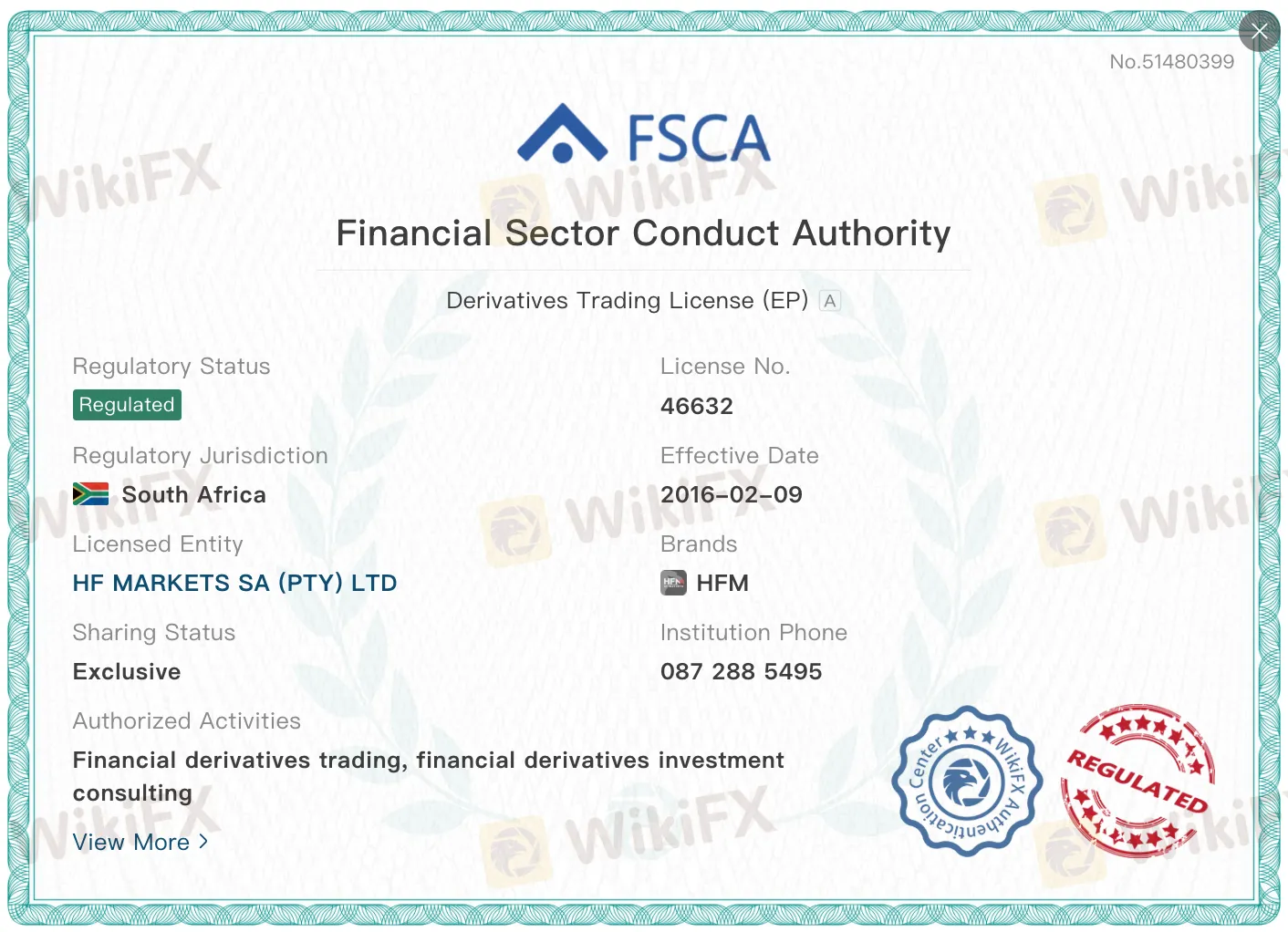
FSCA regulated entities must adhere to requirements concerning client fund handling, disclosure practices, and operational governance. This licence enables HFM to offer derivative products within the South African regulatory framework.
Seychelles Financial Services Authority
HFM is also authorised by the Seychelles Financial Services Authority under a Derivatives Trading Licence. The FSA supervises financial services providers incorporated in Seychelles, which is commonly regarded as an offshore financial centre.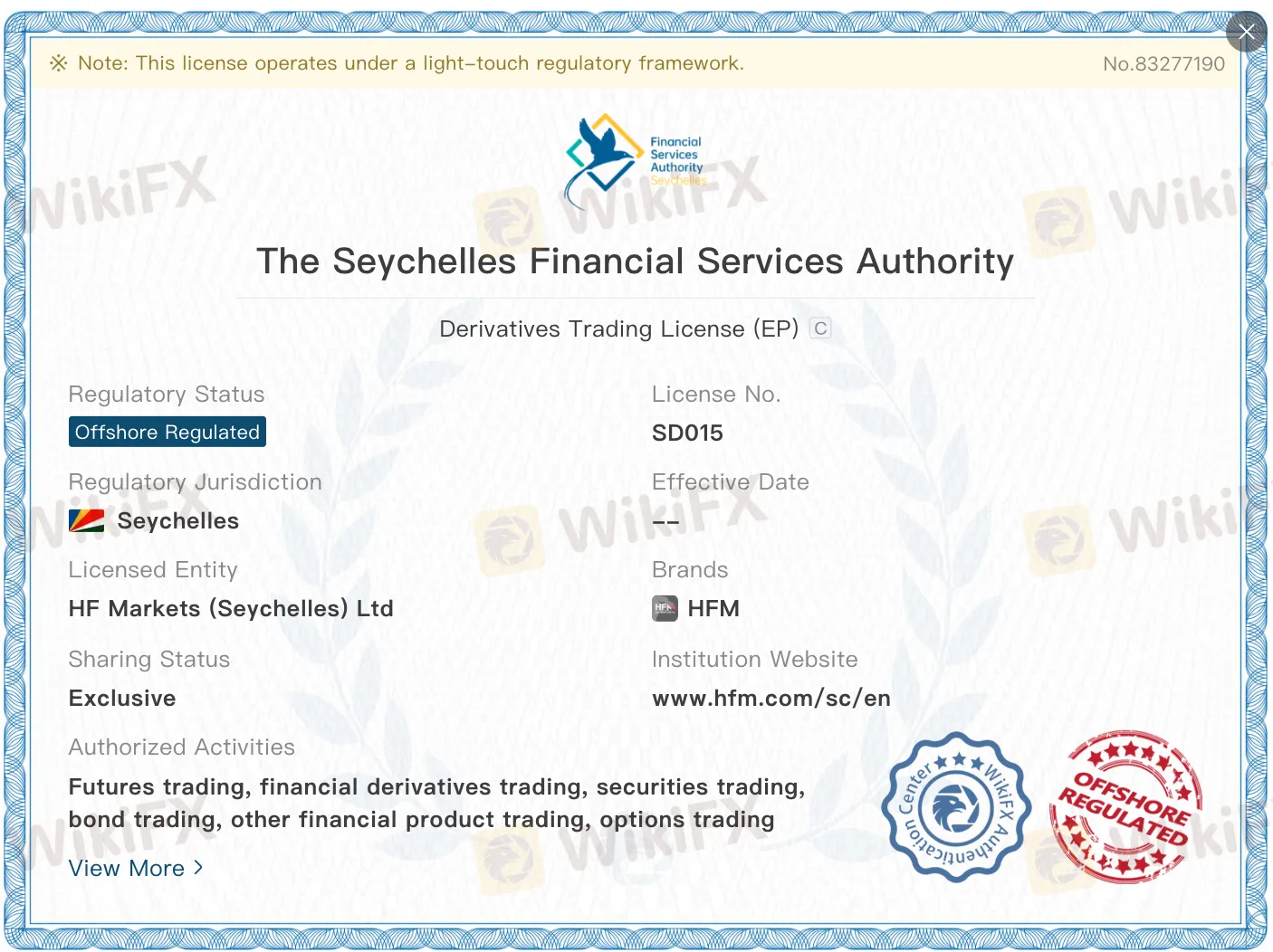
Offshore regulatory frameworks may differ from those of major onshore jurisdictions in relation to investor compensation mechanisms and enforcement procedures. While such licences allow brokers to provide international services, the level of protection available to clients may vary depending on the jurisdiction under which their account is registered.
Flagging by the Securities Commission Malaysia
Despite holding multiple licences across several jurisdictions, HFM has been flagged by the Securities Commission Malaysia.
For Malaysian traders, this point carries particular relevance. A flag issued by the national regulator typically indicates that the entity is not authorised to provide regulated financial services within Malaysia. This does not necessarily mean that the broker lacks regulation elsewhere, but it does suggest that it may not hold a domestic licence from the Malaysian authority.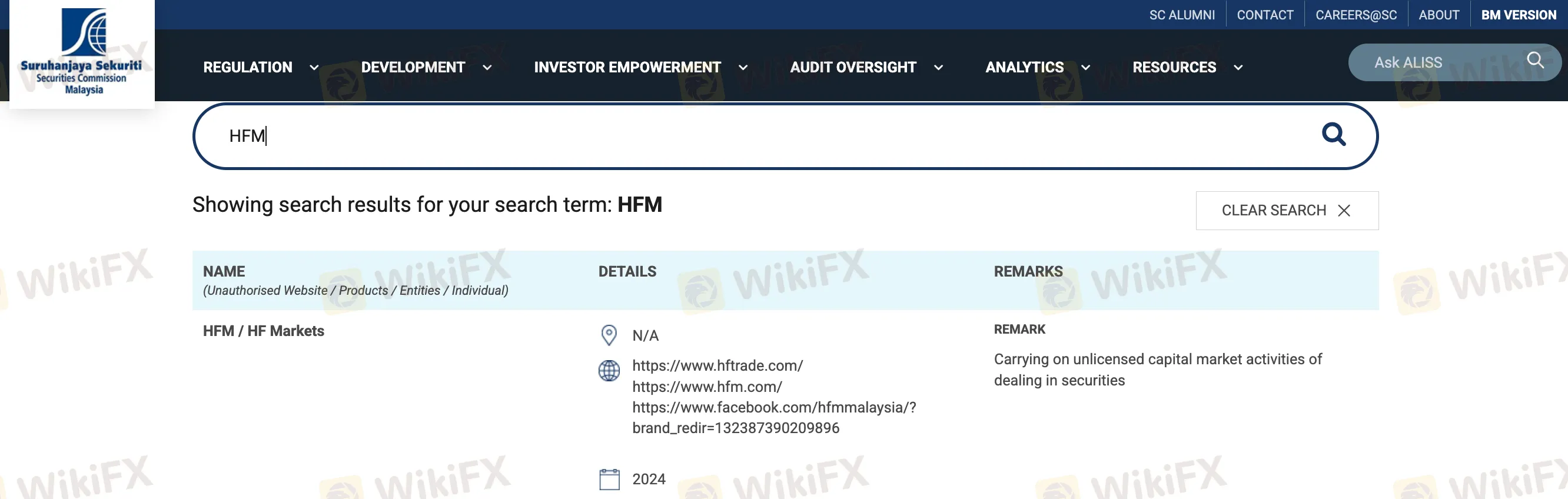
Regulation is territorial in nature. A broker licensed in the United Kingdom, Cyprus, Dubai, South Africa, or Seychelles is authorised to operate within those jurisdictions under specific conditions. However, such authorisation does not automatically extend to Malaysia.
Local jurisdiction plays a significant role in determining the level of legal protection available to traders. If a dispute arises, recourse options may depend on the regulator overseeing the specific entity with which the client has opened an account. For Malaysian traders, engaging with a broker that does not hold local authorisation may limit direct regulatory remedies within Malaysia.
Why Multi Regulation Does Not Guarantee Complete Safety
It is important to understand that multi regulation does not equate to universal protection. While oversight by recognised authorities can provide a degree of transparency and compliance monitoring, regulatory frameworks differ in scope and enforcement power.
Clients may be onboarded under different entities within a brokers corporate structure. For example, a trader in one region may fall under an offshore entity, while another trader may be registered under a European or United Kingdom entity. The applicable investor safeguards, compensation schemes, and dispute resolution channels may therefore vary.
Additionally, regulatory status does not eliminate market risk, operational risk, or the possibility of commercial disputes. Regulation primarily addresses compliance standards, financial reporting, and client fund segregation, rather than guaranteeing trading outcomes or preventing all potential disagreements.
Conclusion
This HFM review highlights a broker with regulatory licences issued by CySEC, the FCA, the DFSA, the FSCA, and the Seychelles FSA. Its WikiScore of 7.06 out of 10 reflects a moderately strong regulatory footprint when assessed against other brokers listed on WikiFX.
However, for Malaysian traders, the fact that HFM has been flagged by the Securities Commission Malaysia underscores the importance of verifying local authorisation. Regulation in one jurisdiction does not automatically grant approval in another, and local oversight often plays a decisive role in determining the level of protection available.
When evaluating HFM or any other broker, traders are encouraged to consider not only the number of licences held, but also which specific entity will govern their account and whether that entity is authorised within their home jurisdiction.
Disclaimer:
The views in this article only represent the author's personal views, and do not constitute investment advice on this platform. This platform does not guarantee the accuracy, completeness and timeliness of the information in the article, and will not be liable for any loss caused by the use of or reliance on the information in the article.
WikiFX Broker
Latest News
RM115 Million Lost in a Month: Are Malaysians Underestimating Investment Scams?
 WikiFX
Invest RM300, Make RM10,000? Police Say It’s a Scam
WikiFXMiddle East Tensions Rattle Risk Sentiment: Airspace Closures Signal Supply Fears
WikiFXWar in the Middle East: Oil Spikes and Stocks Tumble as Conflict Enters "Uncharted Territory"
WikiFXCySEC Withdraws CIF License of OBR Investments Ltd (OBRInvest)
WikiFXInvestment Scams That Could Be Targeting Malaysians Right Now
WikiFXGeopolitical Conflict Drives Gold Rally as Insurers Cut Gulf Coverage
WikiFXFX Markets: King Dollar Reigns Amid Chaos; BoJ Eyes "Neutral" Rates
WikiFXOil Markets Rally as Escalating Middle East Conflict Threatens Supply Lines
WikiFXXBTFX Review: Beware of Offshore Regulated Forex Traps
WikiFXCurrency Calculator
USD

CNY
Current Rate:0
Amount
USD
Available
CNY
Calculate 