Abstract:Germany’s BaFin labels social media finfluencers a key market risk for 2026, linking them to speculative crypto purchases among young investors. Brokers face compliance hurdles as banks roll out crypto services.
 Contents
 Regulators Stark Warning Emerges
Germanys Federal Financial Supervisory Authority (BaFin) has identified social media and finfluencers as the primary market risks heading into 2026. These platforms drive retail investors, especially those aged 18 to 45, toward high-risk crypto assets like meme coins. The annual risk assessment underscores a surge in hasty decisions fueled by fear of missing out (FOMO).
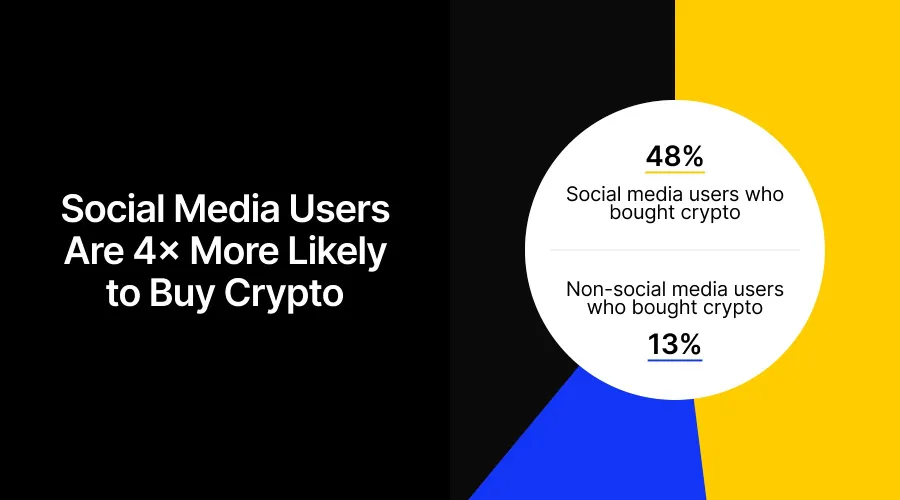
BaFins consumer survey reveals stark disparities. Followers of finfluencers are nearly four times more likely to purchase crypto (48% versus 13% for non-followers). Private chat groups show even higher exposure, with 50% of members reporting crypto investments.
This trend builds on prior BaFin findings. Earlier studies confirmed that social media users invest in crypto at much higher rates than others, amplifying the influence of online hype.
Social Media Fuels Crypto Surge
Finfluencers exploit viral trends to promote speculative products. Dubious actors hype meme coins, prompting impulsive trades among inexperienced users. BaFin notes that this dynamic exploits emotional triggers, heightening systemic vulnerabilities.
Younger demographics lead this shift. target="_blank" kwlink="6384064000816950219725">target="_blank" kwlink="6384064001312698436336">Coinbase data indicates that 73% of them view traditional wealth strategies as outdated, favoring peer advice on digital platforms over that of advisors. This preference empowers unregulated voices in a fragmented info ecosystem.
Brokers Compliance Dilemma Intensifies
German savings and cooperative banks gear up for crypto trading launches in 2026. Social media offers the best route to attract these next-gen clients, yet it collides with BaFins conduct rules. Firms must balance growth ambitions against regulatory scrutiny.
The MiCA regulation adds layers of oversight. It is effective across the EU and mandates investor protections for crypto promotions, regardless of channel. BaFin will enforce these requirements on authorized Crypto-Asset Service Providers (CASPs) to target market abuse by any party, including influencers.
National peers like France‘s AMF and Italy’s CONSOB echo these concerns. ESMA stresses uniform standards for social media ads, treating them akin to conventional promotions.
Strategic Implications for Industry
Regulated entities bear heightened responsibility. BaFin won't police unlicensed influencers directly, but will hold firms accountable for client onboarding and product suitability. This stance could spur stricter vetting amid the mainstreaming of crypto.
Financially, non-compliance risks fines and reputational damage. Recent BaFin penalties, such as a 560k-euro fine against flatexDEGIRO for misleading ads, signal zero tolerance. Banks may invest in compliance tech to monitor indirect influences.
Strategically, firms might pivot to educational content. Emphasizing risk disclosures could differentiate them from hype-driven narratives, fostering trust in Germanys €2 trillion banking sector.
Broader EU Regulatory Landscape
MiCA unifies crypto rules, with BaFin issuing guidance on licensing and notifications since late 2024. Credit institutions can offer select services post-notification, easing entry for incumbents. Yet, full CASP authorization demands robust governance.
Dark patterns in apps draw separate scrutiny. BaFin deems manipulative designs unlawful and urges firms to audit interfaces for fairness. This holistic approach safeguards retail participants.
As Europe‘s largest economy integrates crypto, BaFin’s vigilance tempers innovation. Banks navigate a tightrope: harnessing social media's reach while upholding investor safeguards under evolving EU frameworks.