Abstract:Saxo Bank was fined nearly $50M by Denmark’s FSA for anti-money laundering control failures, marking its largest penalty in years.

 Contents
Danish Regulator Hits Saxo Bank With Record AML Fine
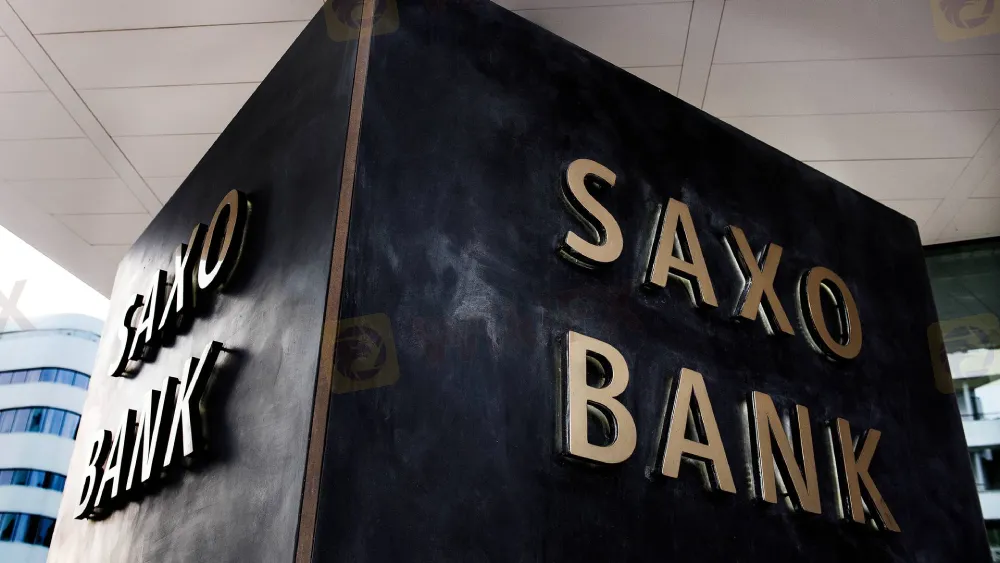
Saxo Bank has been ordered to pay an administrative fine of DKK 313 million (USD 49.7 million) by Denmarks Financial Supervisory Authority (FSA) for what regulators described as systemic weaknesses in anti-money laundering (AML) controls across its institutional operations. The penalty, one of the largest given to a Danish financial institution in recent years, covers breaches identified between 2021 and 2023.
The FSA stated that the investment bank failed to collect and document key information about the “purpose and intended nature” of certain customer relationships—particularly among its white-label partners. These partners use Saxo Bank‘s trading infrastructure under their own brand names, routing their clients’ transactions through Saxo's platform.
Supervisory Findings and Risk Assessment
According to the regulator‘s announcement, the deficiencies did not uncover specific evidence of money laundering but did reveal serious compliance gaps in the bank’s monitoring framework. Insufficient due diligence and weak customer risk assessments led the FSA to impose a substantial penalty to strengthen industry-wide oversight.
“The fine reflects the scale of shortcomings and the need to ensure that institutions engaged in cross-border trading maintain robust AML controls,” the FSA noted in its translated summary of the decision.
An initial calculation had indicated a potentially higher fine, but the figure was reduced after Saxo Bank cooperated with the investigation and promptly undertook corrective measures to enhance its compliance systems.
Broader Regulatory Scrutiny
The decision comes amid heightened global scrutiny of anti-money laundering frameworks within financial institutions offering digital and cross-border products. Just weeks earlier, Saxo Bank‘s Hong Kong division was reprimanded and fined HKD 4 million (USD 514,000) by the Securities and Futures Commission (SFC) for marketing 32 crypto-linked products meant solely for professional investors to retail clients. The sanction followed the bank’s exit from the Hong Kong market in 2024.
Industry analysts suggest the latest Danish enforcement serves as another reminder that robust AML compliance remains a strategic imperative, especially for multinational trading platforms operating under various regulatory regimes.
Saxo Bank's Response and Remedial Actions
Chief Executive and Founder Kim Fournais confirmed that the group accepted the fine and does not intend to appeal the ruling. In a statement, he emphasised Saxo Bank's ongoing commitment to reinforcing its compliance culture through “strategic and operational initiatives” and major investments in AML and counter-terror financing systems.
“Since the inspection in May 2023, Saxo Bank has significantly upgraded its internal processes, reporting capabilities, and risk governance frameworks to meet the highest regulatory standards,” Fournais said.
He reiterated that ensuring full adherence to financial regulations across all markets “remains a top priority” for the Copenhagen-headquartered institution, which serves clients in over 170 countries.
Strategic Implications for the Sector
The case underscores a tightening regulatory landscape in Europe, where authorities continue to emphasise corporate accountability and cross-border compliance. Industry observers anticipate that large investment banks—particularly those operating white-label partnerships—will face growing expectations to demonstrate real-time monitoring and transparent data collection from third-party relationships.
For Saxo Bank, the fine marks both a significant financial setback and a reputational test. Yet, analysts view the companys swift cooperation and internal reforms as critical steps toward restoring regulator confidence and fortifying its operational resilience.