Abstract:The U.S. National Futures Association (NFA) has filed charges against Forex Wizard, a Japan-based forex trading operation, and its principal Mitsuaki Kataoka, accusing them of failing to process customer withdrawal requests promptly.
Overview
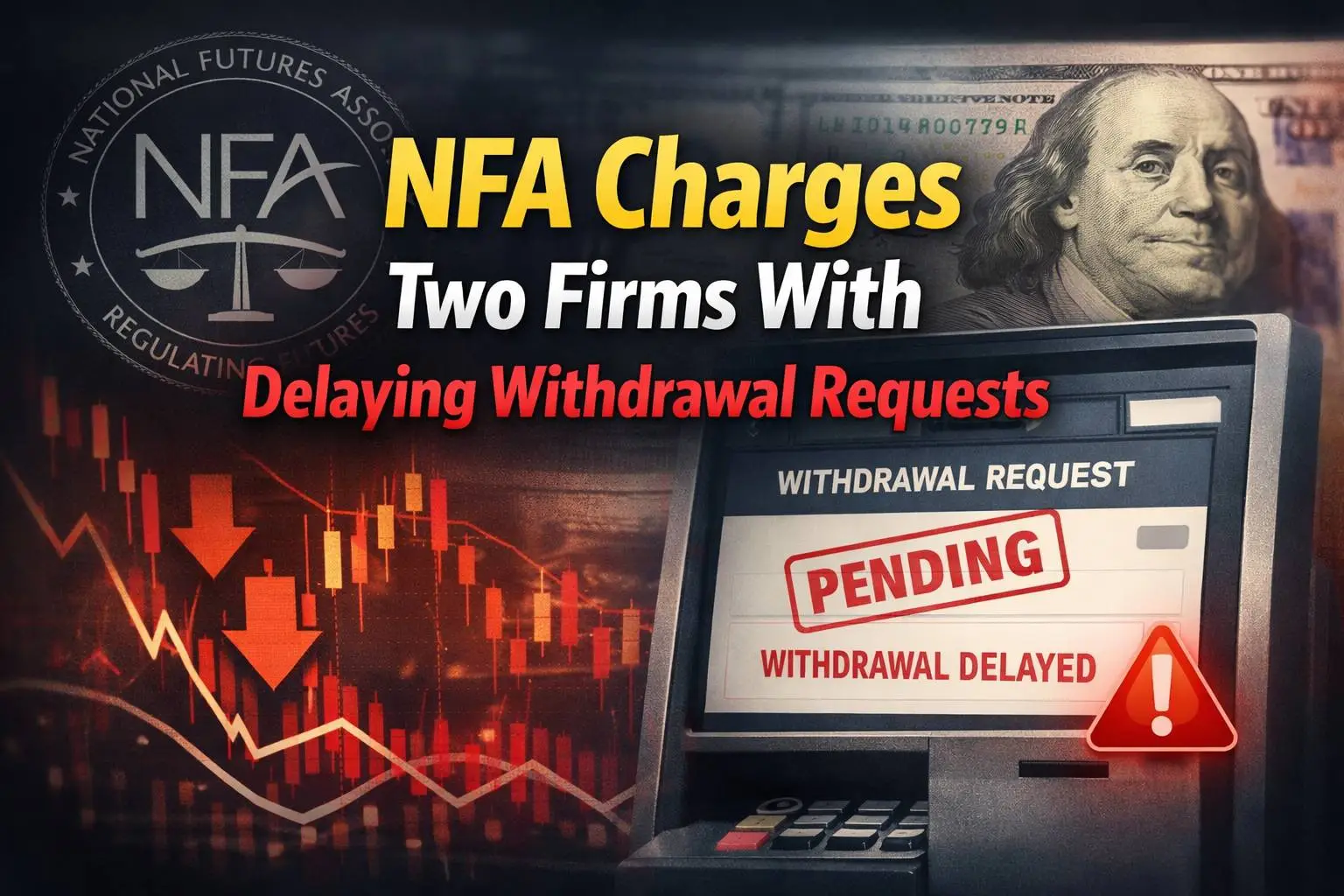
The U.S. National Futures Association (NFA) has filed charges against Forex Wizard, a Japan-based forex trading operation, and its principal Mitsuaki Kataoka, accusing them of failing to process customer withdrawal requests promptly. According to the NFA, the alleged misconduct violates core compliance obligations designed to protect retail forex traders.
This case once again highlights the risks traders face when dealing with unregistered or non-transparent forex operators, particularly those targeting international clients.
 Contents
Who Are Forex Wizard and Mitsuaki Kataoka?
Forex Wizard is a Japan-linked forex trading service that reportedly offered trading-related products or managed trading activities to customers, including U.S. residents. Mitsuaki Kataoka is identified by the NFA as the individual responsible for the firms operations and compliance obligations.
While Forex Wizard promoted itself as a professional trading solution, the NFA alleges that its operational practices fell short of regulatory standards—particularly when it came to handling customer funds.
NFAs Allegations Explained
According to the NFAs formal complaint, Forex Wizard and Kataoka are accused of:
- Unreasonably delaying customer withdrawal requests
- Failing to return customer funds in a timely manner
- Violating NFA Compliance Rules related to fair dealing and financial integrity
The NFA emphasized that prompt withdrawals are a fundamental requirement for any firm handling customer money. Delays—especially without valid justification—are often considered a red flag for deeper financial or operational issues.
Why Withdrawal Delays Are a Serious Violation
From a regulatory standpoint, delayed withdrawals are among the most serious warning signs in the forex industry. Regulators view such behavior as potentially indicative of:
- Liquidity problems
- Misuse or commingling of customer funds
- Poor internal controls
- Intentional obstruction to prevent customers from accessing their money
Historically, many high-profile forex fraud cases began with withdrawal excuses, followed by account restrictions or platform shutdowns.
Regulatory Status and Compliance Concerns
The NFAs action suggests that Forex Wizard was either:
- Not properly registered, or
- Operating outside the scope of its permitted activities
For U.S. traders, NFA registration and compliance are non-negotiable legal requirements. Any foreign forex entity accepting U.S. clients without proper authorization faces enforcement actions, fines, and potential bans.
What Happens Next?
The charges against Forex Wizard and Mitsuaki Kataoka initiate a formal disciplinary process, which could result in:
- Monetary penalties
- A trading ban or permanent NFA membership bar
- Orders to repay affected customers
- Additional regulatory scrutiny from other jurisdictions
The outcome will depend on whether the respondents contest or settle the charges.
What Traders Should Learn From This Case
This case offers several important lessons for retail forex traders:
1. Always Verify Regulatory Status
Check whether a broker or trading service is officially registered with the NFA, CFTC, FCA, ASIC, or other top-tier regulators.
2. Withdrawal Issues Are a Major Red Flag
Any delay, excuse, or repeated “processing issue” involving withdrawals should be treated as a serious warning.
3. Be Cautious With Overseas Forex Operators
Many offshore or foreign-based firms operate in regulatory gray areas and may lack effective oversight.
Final Thoughts
The NFAs charges against Forex Wizard and Mitsuaki Kataoka reinforce a critical message: access to your own funds is a basic trader right, not a privilege. Delaying withdrawals undermines trust and violates the fundamental principles of fair trading.
As regulators continue to crack down on misconduct in the retail forex space, traders are urged to remain vigilant and prioritize regulated, transparent, and well-capitalized brokers.