Abstract:The State Bank of India (SBI), the country’s largest lender, announced that it has cut the interest rates on savings accounts and fixed deposits, effective June 15, 2025. Is the time ripe for forex investments? Let's find out!
Hello! As we were celebrating our weekend (June 14-15, 2025), the State Bank of India (SBI), the countrys largest lender, announced that it has cut the interest rates on savings accounts and fixed deposits, effective June 15, 2025. Surely, a mood breaker for all those wishing to build a financial journey through savings accounts and fixed deposits.
What Prompted a Rate Cut from SBI and How Much is the Decline?
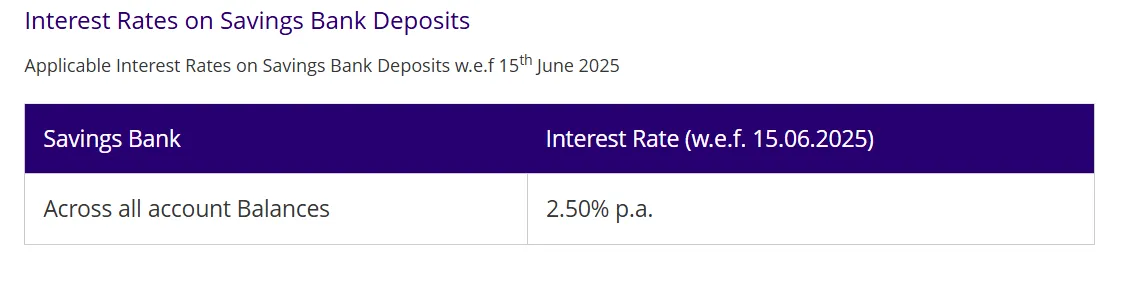
The move comes after the RBI slashed the repo rate, the rate at which the central bank lends to commercial banks across India. Savings bank account interest rates have been reduced by up to 50 basis points across all account balances. Interest rates are a modest 2.50% per annum across balances.
See this snapshot -
Whereas fixed deposit interest rates have been slashed by up to 25 basis points for amounts below INR 3 crore on different tenures.
SBI has also cut the interest rates on Amrit Vrishti, a term deposit scheme, to 6.60% from 6.85%, effective June 15, 2025. Amriti Vrishtis special 444-day scheme also saw a decline in interest rates from 6.85% to 6.60% per annum.
Senior citizens and super senior citizens will continue to receive additional interest rates, the bank has mentioned on its website. Super senior citizens will receive an additional 0.10% over the interest rate applicable for senior citizens.
Interest Rates May Continue to Decline
The RBI has cut the repo rate by 100 basis points i.e. 1% so far in 2025. Currently, the repo rate stands at 5.50%. As inflation is on a downtrend, there‘s a window for one more rate cut soon. India’s CPI or Consumer Price Index-based inflation eased to 2.82% in May 2025. Its the lowest since Feb 2019. The 2.82% inflation reflects easing prices across the country, which, however, needs more investments to drive economic growth beyond 8% consistently to achieve its objective of being a Developed Nation by 2047.
Amid Declining Interest Rates, Is it Worth Moving Some Funds to High-return Instruments?
The low interest rate pattern is similar across banks. So, amid declining interest rates, one should rejig their investment portfolio by allocating some assets to high-return instruments such as forex.
What is the Forex Market and Why You Should Invest in It?
Foreign exchange trading is trading in currency pairs through various contracts - Spot, Futures and Options. The price moves throughout the day.
Spot contracts are where you buy or sell currencies immediately. The transaction is completed in two business days.
Futures contracts are an agreement to purchase or sell currencies at a predetermined price for a delivery at a specified time in the future.
Options contracts are where the agreement is made to buy or sell currencies at a predetermined price on or before the transaction date. The last two options act as a currency hedging mechanism.
Forexs return potential is high albeit with risks. Looking at the larger picture, one should take some risks to achieve the goal amount on time. Sticking to low-yield instruments such as fixed deposits will keep you behind in the wealth creation exercise.
But How to Get Started with Forex?
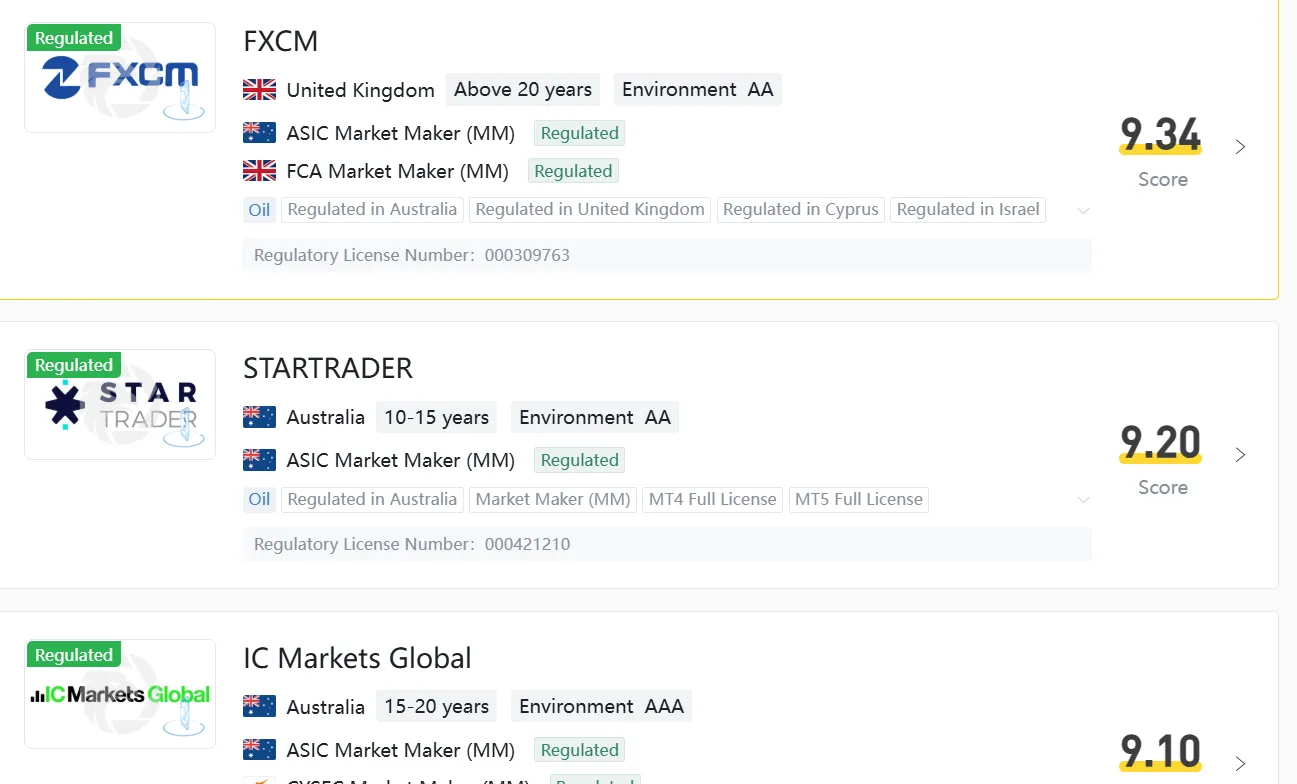
We acknowledge the support you may need to get started with Forex investments where currency prices fluctuate throughout the day. You can thus follow WikiFX, a leading broker information app. It highlights everything about the forex broker operating from various regions including India. We give a complete overview of whether they are regulated and licensed, how they are faring business-wise, the operation period, and ratings on various parameters. You can compare the brokers on these aspects and see which fits your needs better. A snapshot of some top brokers registered on our platform.