Abstract:A 73-year-old retiree in Malaysia recently fell victim to an elaborate investment scam, losing RM62,109 after being lured by the promise of high returns.

A 73-year-old retiree in Malaysia recently fell victim to an elaborate investment scam, losing RM62,109 after being lured by the promise of high returns.
According to Kuala Terengganu police chief ACP Azli Mohd Noor, the victim was first contacted on 28 February via an unknown number. The message advertised a lucrative investment plan requiring an initial deposit of RM400, with an assurance of RM8,500 in returns within 48 hours. The seemingly attractive proposition convinced the elderly man to proceed with the initial transaction.
Following his first deposit, the fraudsters persuaded him to make additional payments, citing wages and processing fees necessary for the profit payout. Trusting the legitimacy of the scheme, the victim transferred funds from his personal savings, accumulated over years of employment at a newspaper company. In total, he conducted 18 transactions across nine different bank accounts, amounting to more than RM62,000.

The scam unravelled only after the victim realised that the promised returns never materialised. Recognising that he had been deceived, he promptly lodged a police report at the Kuala Terengganu district police headquarters (IPD) at 1 pm the following day. Authorities have since launched an investigation under Section 420 of the Penal Code, which pertains to cheating and dishonestly inducing the delivery of property.
Fraudsters often employ a common tactic: allowing victims to experience a small initial gain before coercing them into making larger deposits. By the time victims recognise the deception, they have already suffered substantial financial losses. Read this article here to understand this tactic more: https://www.wikifx.com/en/newsdetail/202503148244401400.html.

To mitigate the risk of falling prey to such scams, financial experts advise investors to exercise caution when encountering investment opportunities that promise exceptionally high returns with minimal risk. Investment offers circulated through social media, unsolicited messages, or unfamiliar sources should be treated with scepticism. Conducting thorough due diligence before committing funds is essential.
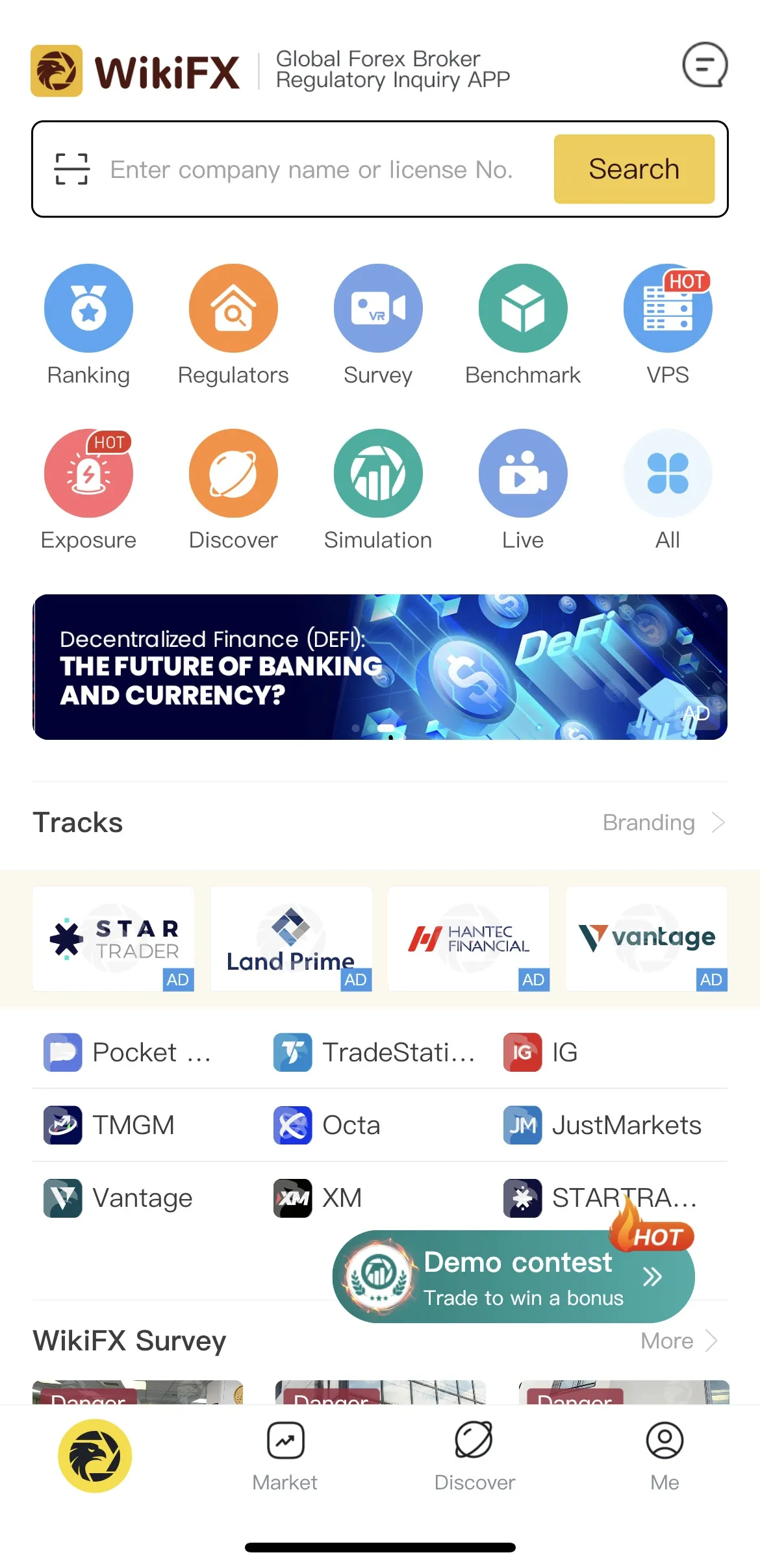
One way to verify the legitimacy of investment platforms is through regulatory and financial intelligence tools such as WikiFX. This global broker regulatory query platform provides users with detailed insights into brokers, including their regulatory status, customer reviews, and safety ratings. By leveraging such resources, investors can make informed decisions and avoid unlicensed or fraudulent entities. The WikiFX mobile application, available for free on Google Play and the App Store, serves as a safeguard against financial scams, equipping users with real-time risk alerts and data-driven assessments.