

Global Broker Regulation Inquiry App
About WikiFX
English
简体中文
繁體中文
English
Pусский
日本語
ภาษาไทย
Tiếng Việt
Bahasa Indonesia
Español
हिन्दी
Filippiiniläinen
Français
Deutsch
Português
Türkçe
한국어
العربية
اردو


Fed Signals 'Dovish Pause' as Political Pressure Mounts on Powell

WikiFX
|


Abstract:The Federal Reserve maintains interest rates at 3.50-3.75% in a 'dovish pause,' shifting effective policy focus from labor risks to inflation data. Meanwhile, political friction intensifies as Donald Trump criticizes Chairman Powell, complicating the outlook for a June rate cut.
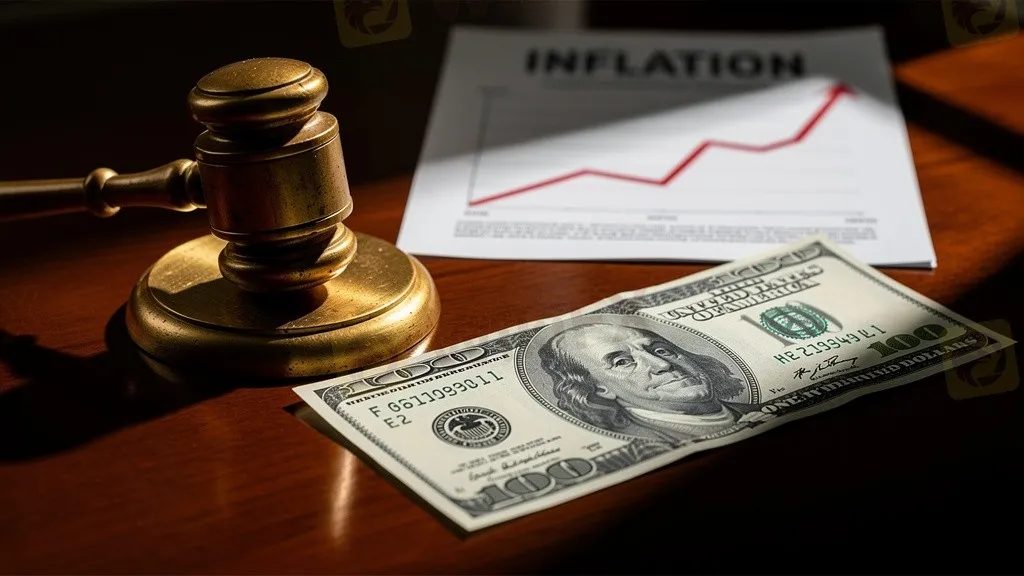
USD traders are digesting a complex mix of monetary policy shifts and political drama following the Federal Reserve's decision to maintain the target rate at 3.50%-3.75%. While the central bank signaled satisfaction with the current economic momentum, the path forward has become a battleground between economic data and political influence.
The 'Dovish Pause': Inflation Over Jobs
According to a detailed analysis by Morgan Stanley, the FOMC has effectively executed a “dovish pause.” Chair Jerome Powell indicated that the “risk management” phase—which prioritized shielding the labor market—is receding. The new policy driver is strictly inflation performance.
- Policy Shift: The Fed is no longer cutting rates to preempt job or growth losses. Future cuts will require clear evidence of disinflation.
- Morgan Stanley Forecast: The bank maintains a base case for cuts in June and September, provided inflation data cooperates.
- Risk Scenario: If the “animal spirits” of the economy drive demand too high, there is a tangible risk of zero rate cuts for the remainder of the year.
Trump vs. Powell: The Political Shadow
Complicating the monetary outlook is the escalating tension between the White House and the Fed. Former President Donald Trump has publicly lambasted Powell, arguing that rates should be “substantially lower” and that the current policy harms US national security.
Reports suggest the White House may be maneuvering to pressure Powell ahead of his term expiration in May. The Department of Justice's issuance of a subpoena regarding Fed renovations is viewed by insiders as a tactical move to force Powell's early exit. However, analysts warn this could backfire, potentially strengthening Powell's resolve to stay to protect the institution's independence.
Market Implications
With the next cut not fully priced in until June, the US Dollar lacks immediate bearish catalysts from the Fed itself. However, the political noise adds a risk premium. Morgan Stanley advises a valid neutral stance on US Treasury duration, while maintaining a short-term bearish outlook on the USD due to global convergence, rather than domestic Fed action.
Disclaimer:
The views in this article only represent the author's personal views, and do not constitute investment advice on this platform. This platform does not guarantee the accuracy, completeness and timeliness of the information in the article, and will not be liable for any loss caused by the use of or reliance on the information in the article.
WikiFX Broker
Latest News
EURUSD | Demand Zone Holding, Bulls Eyeing Higher Resistance
WikiFXKudotrade Review 2026: Reported Slippage & Trade Execution Issues You Should Know
WikiFXEUR/USD: Bearish Structure Shift
WikiFXFxPro Opens Five CFDs To Weekend Trading
WikiFXValutrades Rejects Exit Rumors Amid Client Review
WikiFXMalaysia To Host Asia Fintech Regulatory Summit
WikiFXSEC Alleges $16 Million Ponzi Scheme Targeted 200 Investors
WikiFXMalaysia Pursues RM4.2 Billion Claim Against Singapore's DBS Bank
WikiFXFxPro Adds Weekend Trading for Five CFD Markets
WikiFXYen Speculators Turn Net Long as USD/JPY Holds Near Seven-Month Low
WikiFX