Abstract:Fraudulent forex companies may use claims of being hacked to avoid accountability and legal consequences, which appears to be the case for Herzen International, as traders suspect the company of staging the hack to take everyone's money.
Using a hacking claim as a smokescreen is a common strategy employed by deceitful forex companies to evade accountability and dodge legal repercussions. By portraying themselves as the victim of a cyber-attack, these companies can avoid bearing any responsibility and, in some instances, even continue their duplicitous practices under a new guise.
Recently, WikiFX featured an exclusive article (read here: https://www.wikifx.com/en/newsdetail/202305128734816730.html) about the supposed hacking incident involving Herzen.
WikiFX refrained from making any definitive claims about the matter in the previous article. However, over the weekend, we received further updates from Herzen traders, providing deeper insights into Herzen's business operations.
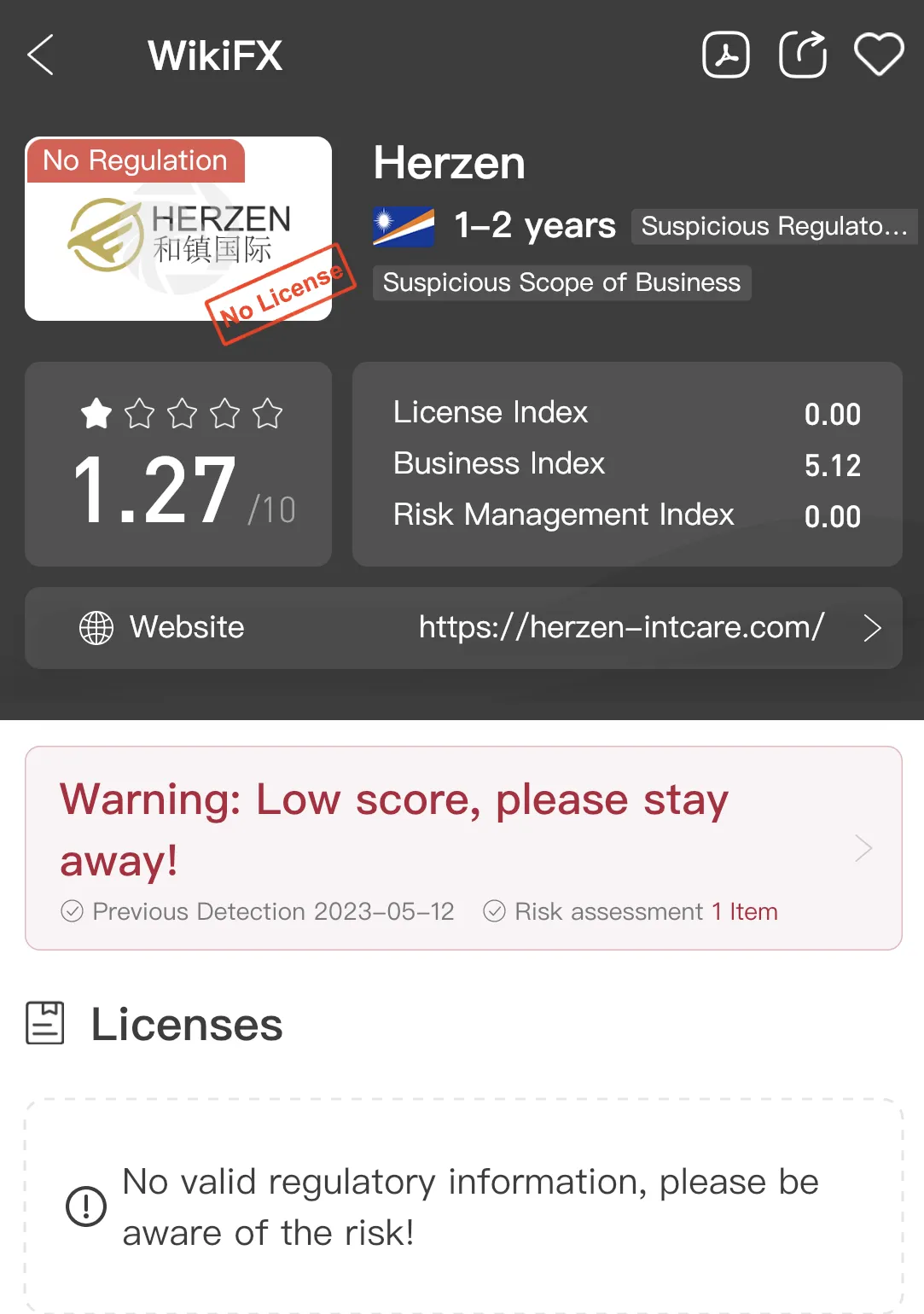
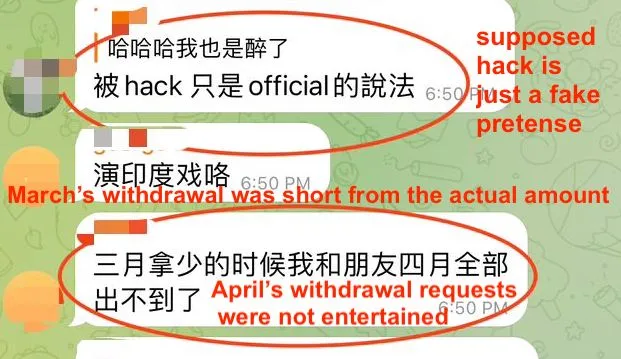
Numerous traders have voiced their doubts, claiming that this is not an actual hack but a ploy orchestrated by Herzen to pocket everyone's money discreetly. High-level executives have initially informed traders that delayed withdrawals were due to Labuan audit reasons, then a shortage of workers at Raya, and now, a hack. As traders have yet to receive a satisfactory response, many believe the high-level executives are simply prolonging their tactics.
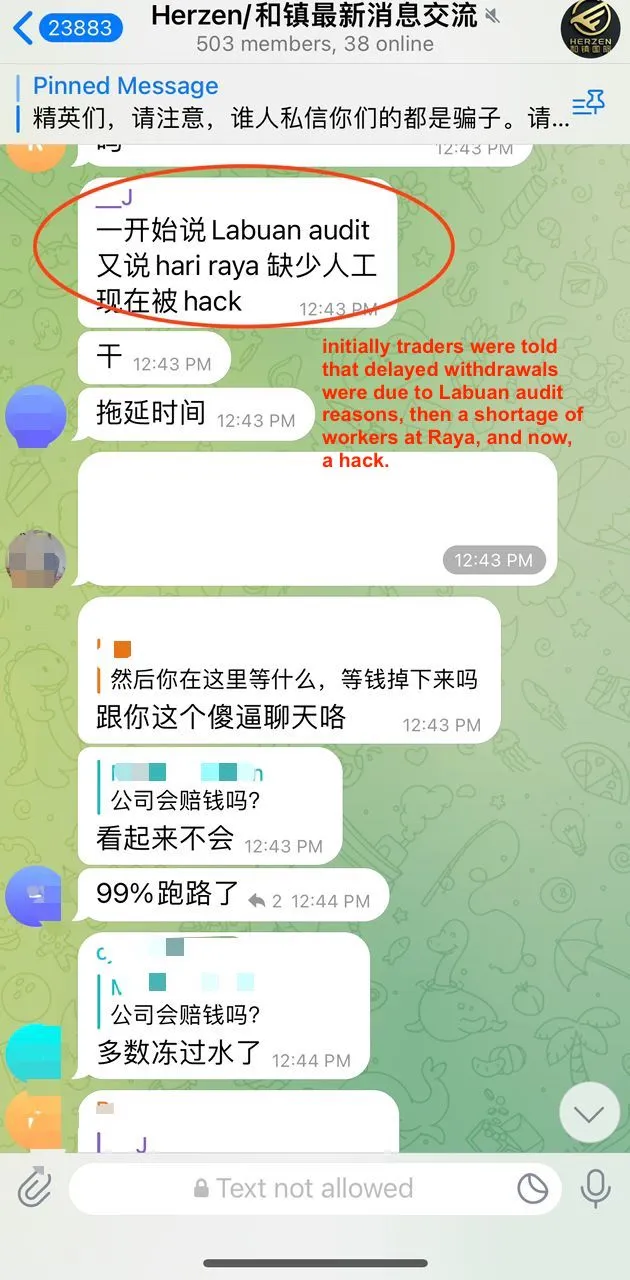
Traders are urging the high-level executives to confront the situation head-on and, if necessary, provide a brief video statement. Why wouldn't the high-level executives come forward if this was indeed a hacking event? Some traders have even observed that certain executives have erased all Herzen-related posts from their Facebook pages, regardless of their association with the company.
It has become apparent from this chat group that the traders' invested money is not with Herzen but rather with AIFC, resulting in confusion among traders regarding where to report the issue and which brokerage firm can be trusted. (Read here to know about the relationship between Herzen and AIFC: https://www.wikifx.com/en/newsdetail/202305055164245721.html)
Additionally, some traders with a keen eye for detail have observed that Herzen has been conducting fraudulent trades all along. Forex brokers that offer copy-trading services may create fake transactions to attract clients and make their trading history appear more successful, leading to more followers and higher profits for the broker. They can do this by using demo accounts to place fake trades, manipulating prices, and even using algorithms to generate false trading results. In some cases, brokers may even collude with signal providers to create a false sense of success and encourage more followers. Ultimately, this deceitful practice can result in significant financial losses for copy-trading followers.
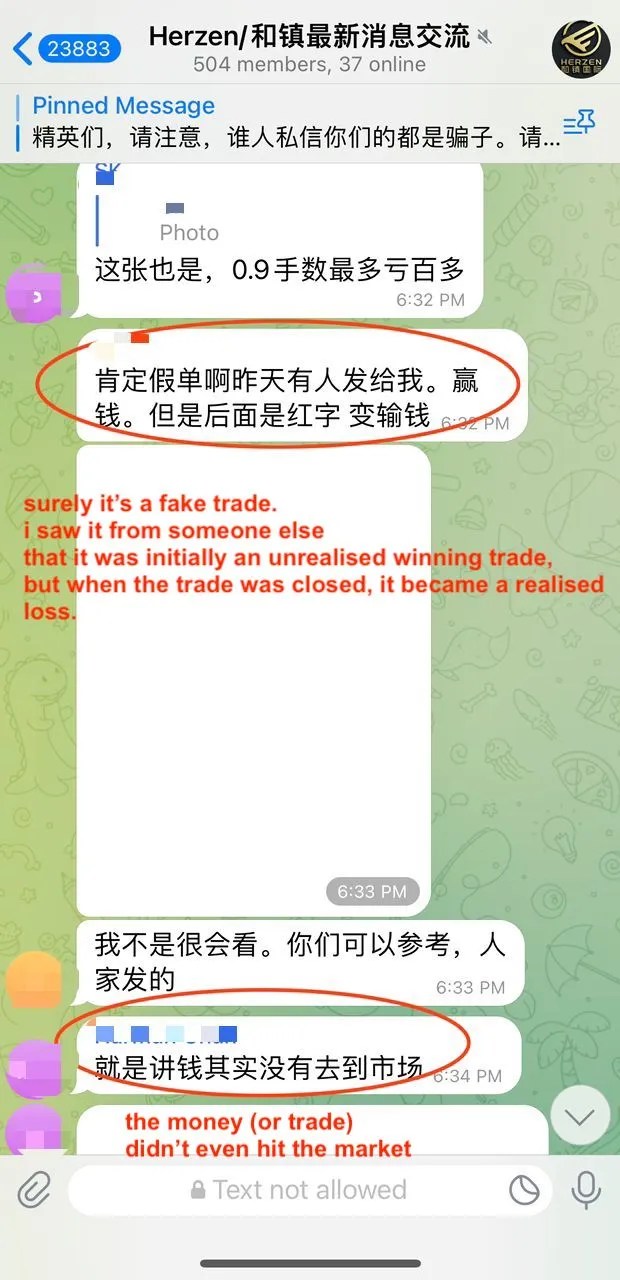
If this allegation is true, where has the investors' money gone? Many people have already stated that the supposed hack is simply a pretence, as some have been unable to withdraw their funds since March.
Choosing a regulated forex broker is crucial in reducing the risk of falling victim to unfortunate cases like this. Regulated brokers must comply with strict regulations and are subject to regular audits, ensuring that they operate fairly and transparently and provide a secured and stable trading platform. WikiFX serves as a valuable resource for traders looking for reliable and trustworthy brokers. With its comprehensive database of brokers and user reviews, WikiFX empowers traders to make informed decisions about which brokers to work with and which to avoid. By doing so, traders can protect their investments and avoid falling into the hands of scam brokers.
Stay connected with WikiFX as we delve deeper into the Herzen case and deliver the latest updates as soon as they come in.