


FCA Warning Capital Zodiac 7 September 2026 and Seven Checks Before Paying
The FCA named Capital Zodiac as an unauthorised clone on 7 September 2026. Check capitalzodiac.com, capitalzodiac.net and FRN 806702 before paying.
Original

简体中文
繁體中文
English
Pусский
日本語
ภาษาไทย
Tiếng Việt
Bahasa Indonesia
Español
हिन्दी
Filippiiniläinen
Français
Deutsch
Português
Türkçe
한국어
العربية
اردو

Abstract:TradeZero will pay $100,000 for allegedly misleading investors about stock trading halts
TradeZero America has settled its dispute with the U.S. Securities & Exchange Committee (SEC)
The agency accused the trading platform of misleading investors about meme stock trading halts
TradeZero denied these allegations but proposed a settlement of $100,000

An interesting chapter in meme stock history closed today. The U.S. Securities and Exchange Commission accused commission-free trading platform TradeZero America of providing false information to investors. The allegations are that TradeZero and its CEO Daniel Pipitone falsely told investors that TradeZero never restricted the trading of meme stocks in 2021. Over a year later, civil charges have been brought against the company and settled.
Neither Pipitone nor TradeZero have admitted any wrongdoing. But the company has agreed to pay penalties of $100,000 and Pipitone will pay $25,000.
The SEC alleges that the trading halt took place on Jan. 28, 2021. This date marks the height of the year’s iconic meme stock frenzy. According to regulators, TradeZero halted trading of GameStop (NYSE:GME), AMC Entertainment (NYSE:AMC) and Koss (NASDAQ:KOSS) for roughly 10 minutes, following direction from its clearing broker.
Reuters reports that the platform “later told investors it had resisted the halts.”
In its filing, the SEC highlighted an “ask me anything” session that Pipitone conducted on Reddit in which he discussed the trading halt. Allegedly, he stated that “some trading firms are blocking these symbols is disgusting, unprecedented. … Our clearing firm tried to make us block you and we refused. After three hours on the phone they backed down.”
However, the SEC says Pipitone “failed to disclose that TradeZero did comply with the clearing broker‘s demands and shut off its customers’ ability to purchase three securities in question for a period of time.”
According to Melissa Hodgman, associate director of the SECs enforcement division, “This case sends a powerful message that participants in our capital markets cannot exploit market turbulence to deceive customers.”
But many investors dont agree that the punishment fits the crime.
Disclaimer:
The views in this article only represent the author's personal views, and do not constitute investment advice on this platform. This platform does not guarantee the accuracy, completeness and timeliness of the information in the article, and will not be liable for any loss caused by the use of or reliance on the information in the article.
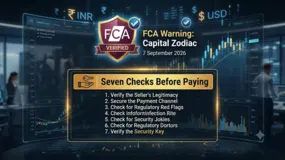
The FCA named Capital Zodiac as an unauthorised clone on 7 September 2026. Check capitalzodiac.com, capitalzodiac.net and FRN 806702 before paying.
This WEALTH-FX review starts with a licensing statement that needs verification. The client agreement on wealth-fx.com says the company is incorporated in St. Vincent and the Grenadines as 88102 LLC 2021 and is authorised and regulated by the SVG FSA. An official SVG FSA notice, however, says forex trading brokerage activities are not licensed in that jurisdiction. The same agreement separately names WealthFX Liquidity Limited, company 180782, and describes a Mauritius International License. For an India-based reader, those website claims do not replace RBI rules for permitted forex transactions or an independently confirmed licence record.
Did ePlanet, a Comoros-based brokerage, allegedly withhold your dollars on the platform? Did the broker prevent you from accessing the ePlanet login dashboard upon a withdrawal request? Did the broker platform execute trade orders slowly? Have you faced losses due to slippage? This ePlanet review 2026 evaluates user claims while also providing a regulatory overview of the broker.
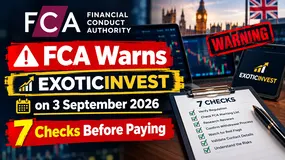
FCA warns EXOTICINVEST in a notice first published and updated on 3 September 2026. The UK regulator identifies EXOTICINVEST TRADING AND INVESTMENT FIRM and the website www.exoticinvest.ltd, stating that the firm is not authorised and may be targeting people in the UK. This is a dated regulatory warning, not a customer review or a confirmed loss report. Anyone approached through the named website should stop before paying, avoid sharing login credentials and verify the exact business independently through the FCA Firm Checker.
 WikiFXWikiFXWikiFXWikiFXWikiFXWikiFXWikiFXWikiFXWikiFXWikiFX