Abstract:As you prepare to board your flight to another country, the first thing you will likely check is the local currency you get by exchanging the currency of your country. Foreign currency, understandably, forms a critical part of international travel, overseas payments, business, education, and global transactions. However, fraudsters are rapidly capitalizing on the growing demand for foreign exchange to fulfill their evil intentions.
As the scam expands, you, as a user, need to be careful, understand transactions and detect suspicious behavior related to fund transfers or the sharing of personal information.
In this article, we have elaborated on the common forex scams, critcal warning signs, and the steps to take to avoid fraud when exchanging currency.
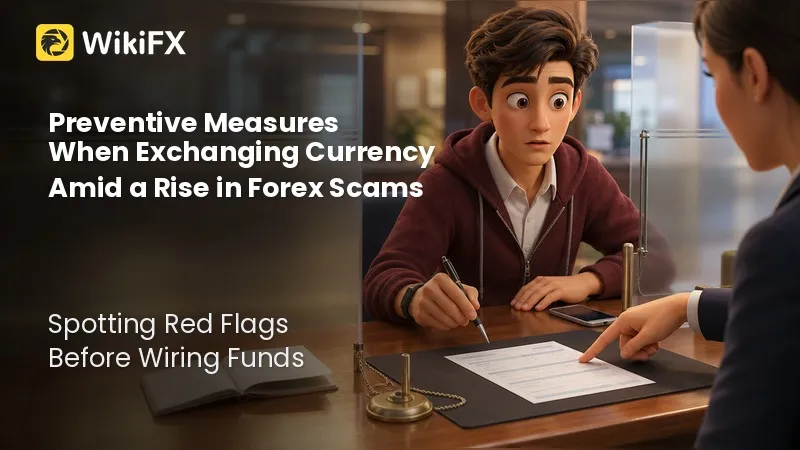
As you prepare to board your flight to another country, the first thing you will likely check is the local currency you get by exchanging the currency of your country. Foreign currency, understandably, forms a critical part of international travel, overseas payments, business, education, and global transactions. However, fraudsters are rapidly capitalizing on the growing demand for foreign exchange to fulfill their evil intentions.
As the scam expands, you, as a user, need to be careful, understand transactions and detect suspicious behavior related to fund transfers or the sharing of personal information.
In this article, we have elaborated on the common forex scams, critcal warning signs, and the steps to take to avoid fraud when exchanging currency.
 Contents
Overview of Forex Scams
Forex scams are basically fraudulent schemes designed to steal funds, personal or banking information using foreign currency exchange or forex related services. Scammers can appear as a genuine forex trader, dealer, broker, investment advisor or a financial institution.
Some scams target individuals looking for foreign exchange currencies for travel, trading and investment. Scammers create seemingly professional websites and social media profiles, fill them with positive reviews, and encourage users to accept fraudulent offers. Unauthorized forex companies, fake trading platforms and clone firms claim unrealistic profits. These often cause issues for regulators and consumer protection agencies.
Be Cautious When Dealing with Forex Scams in India
India's forex market includes both legitimate and unauthorized forex exchange services and operators. Forex scams in India can happen through fake currency dealers, unauthorized trading platforms, impersonation of credible firms, fraudulent payment requests, or misleading investment schemes. As you look to exchange currency, verify the service provider you are dealing with. Check whether it is an authorized foreign-exchange service provider. In the age of scams, believing a company's website, social media page, advertisements or salespeople's claims can hurt you. Verify critical regulatory details using the relevant official source before paying. Customers seeking foreign currency can choose an established and properly authorized service provider.
Common Forex Scams
Fake Forex Brokers
These brokers seemingly have a professional website, giving you a feel of a real financial institution. They can possess fake registration numbers or copied logos, fake reviews or awesome trading dashboards. These brokers present profit as the customer deposits funds. The scammer may request further payments under the guise of verification fees, processing fees, account unlocking fees and taxes as customers look to withdraw funds.
Guaranteed Profit Schemes
Fake forex traders often promise guaranteed high returns on investments. This promise never turns out true, as forex investments involve risks. The outcome of these investments depends on both macroeconomic and technical factors. These factors never remain still, so there are chances of both profits and losses, depending on how they fare in proportion to your trading.
Fake Forex Trading Platforms
Some forex trading scams happen through platforms that appear genuine. On screen, you may see a growth in account balance, making you confident of a successful trading experience. However, the displayed profits may not be the result of genuine trading transactions. As the customer seeks a withdrawal, the platform may invite new charges or give some excuses. Do not assume that a seemingly sophisticated application or dashboard is legitimate.
Unauthorized Currency Dealers
Forex fraud also happens through individuals or businesses offering currency exchange services without adequate authorization. They may promise you attractive rates compared to established providers. But this remains their strategy to make you pay into personal bank accounts or via suspicious payment channels. You cannot go for a better exchange rate at the expense of risking your capital, documents or financial information.
Social Media and Messaging-App Scams
Scammers increasingly use social media, Telegram and WhatsApp to contact potential customers. They may promote exclusive forex deals, managed accounts, private signals or limited-period investment offers. The Financial Conduct Authority (FCA) cautions that unauthorized forex companies may use persuasive online platforms and sales tactics to entice users. Don't believe someone who contacts you unexpectedly and asks you to send money.
Forex Scam Warning Signs at a Glance
- Guaranteed profit claims
- Immediate fund transfer pressure
- Unusually attractive exchange rates
- Fund transfer request to a personal bank account
- Suspicious or unverified regulatory claims
- Inconsistent company information
- Fake and generic user reviews, not highlighting specific features in detail
- Unrealistic customer testimonials
- Hidden fees
- A list of problems or excuses upon a refund or withdrawal request
- Exclusive communication via messaging apps or social media
How to Avoid Forex Scams When Exchanging?
This involves following the steps shown below without fail:
Conduct a Company Verification
Verify the company's legal name, contact details, address, and regulatory status, regardless of the salesperson's claim.
Review the Website Carefully
Check the domain name and website details. Fraudsters may create domains that appear almost the same as legitimate businesses. The RBI-issued consumer guidance also advises users to check website addresses carefully and avoiding unverified or unknown links.
Compare the Exchange Rate
Compare the quoted rate with the ongoing market and reputable service providers. If you find a rate drastically better than what's offered elsewhere, it may be an indication of hidden charges or a bait-and-switch tactic.
Seek a Complete Cost Breakdown
Have an idea of the amount you will pay, the application of the exchange rate, applicable service charges, and the foreign currency payable to you. A transparent transaction won't come with unexplained last-minute charges.
Conclusion
Forex scams are becoming increasingly sophisticated, targeting people exchanging currency for travel, business, education, and investment. From fake brokers and unauthorized currency dealers to misleading exchange rates and fraudulent payment requests, scammers use various tactics to steal money and personal information. Staying alert, verifying service providers, checking regulatory credentials, comparing exchange rates, and understanding all applicable charges can help you avoid financial fraud. Always prioritize transaction security over attractive offers when exchanging foreign currency.
Keep following us at WikiFX for the latest forex updates.
Knowledge pays at WikiFX.Every time you share a WikiFX article, you'll receive 50 Reward Points. Grow your rewards with every share and unlock exclusive gifts in the WikiFX Points Mall. Start earning today!