

Global Broker Regulation Inquiry App
About WikiFX
English
简体中文
繁體中文
English
Pусский
日本語
ภาษาไทย
Tiếng Việt
Bahasa Indonesia
Español
हिन्दी
Filippiiniläinen
Français
Deutsch
Português
Türkçe
한국어
العربية
اردو


Japan’s ‘Truss Moment’: Bond Market Meltdown Forces BoJ Into a Corner

WikiFX
|


Abstract:Japan's bond market faces a historic meltdown as Prime Minister Takaichi's fiscal stimulus plans clash with market discipline, pushing yields to multi-decade highs and threatening a 'Truss-style' crisis.
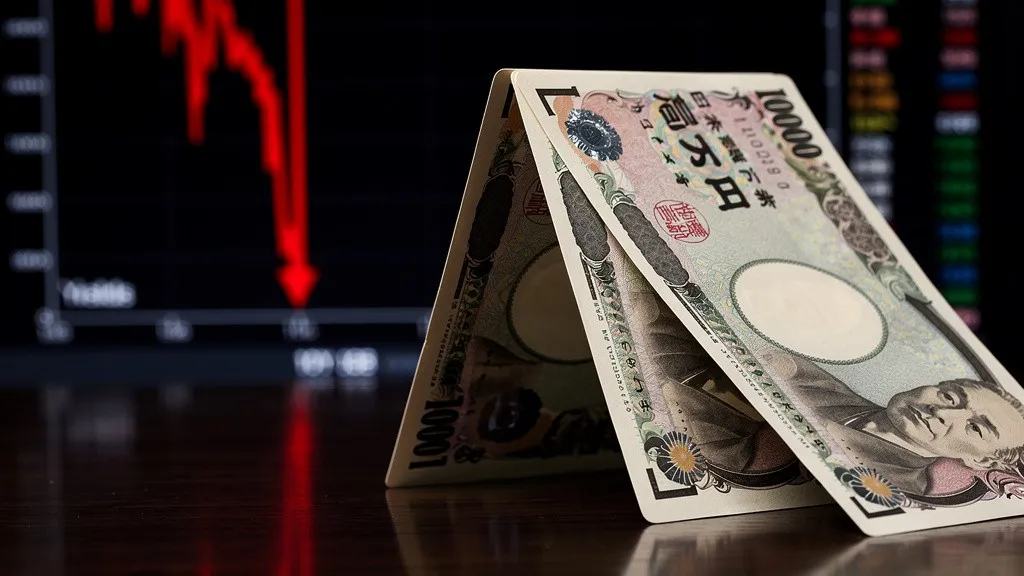
Global markets are bracing for contagion as the JGB (Japanese Government Bond) market experiences a historic sell-off, drawing uncomfortable parallels to the UK's 2022 “Truss turmoil.”
Following Prime Minister Sanae Takaichis announcement of a snap election and a pledge to pause the consumption tax—a move estimated to create a ¥5 trillion ($31.6 billion) fiscal hole—bond vigilantes have effectively gone on strike. The 10-year JGB yield has surged to a 27-year high of 2.30%, while super-long yields (30-year and 40-year) have spiked over 40 basis points in just two sessions.
The 'Logical Endgame' for the BoJ
The collapse in bond prices places the Bank of Japan (BoJ) in an impossible dilemma ahead of Fridays policy decision. With the yen languishing near the 160 danger zone against the dollar, Governor Kazuo Ueda faces a binary choice:
Goldman Sachs has described a return to Yield Curve Control (YCC) as the “logical endgame” if the sell-off deepens, but analysts warn this would trigger a catastrophic devaluation of the currency. “This is basically the market pricing in Japan's Liz Truss moment,” noted State Street strategist Masahiko Loo.
Global Spillover Risks
The chaos is not contained to Tokyo. A “reverse carry trade” fear is permeating global desks. Japanese institutional investors, traditionally the largest foreign holders of US Treasuries and French OATs, may be forced to repatriate funds to cover domestic losses or capture higher domestic yields.
Citigroup warns that risk-parity funds could constitute a forced selling wave of up to $130 billion in global bonds if volatility targets are breached. With the 30-year JGB yield now rivaling German Bunds, the structural flow of capital that has supported Western debt markets for decades is at risk of reversing.
Disclaimer:
The views in this article only represent the author's personal views, and do not constitute investment advice on this platform. This platform does not guarantee the accuracy, completeness and timeliness of the information in the article, and will not be liable for any loss caused by the use of or reliance on the information in the article.
WikiFX Broker
Latest News
NZDCHF: Bearish Now, But Is Smart Money Preparing the Reversal?
WikiFXMalaysia Police Busted a Scam Call Centre & Arrested 3 Chinese Nationals
WikiFXIf You Still Struggle To Make Money After Passing a Prop Firm Challenge
WikiFXOROKU EDGE Review 2026: What Traders Should Know About Withdrawal & Slippage Reports
WikiFXSBCFX review: What Does the 28 August SFC Warning Mean?
WikiFXLeading the Transparency Movement, The Trust Dialogue with AUS GLOBAL
WikiFXRockGlobal Review for India: Which Licence Was Cancelled on 19 July 2024?
WikiFXIndonesia's new finance minister faces an uphill battle on fiscal credibility
WikiFXDollar Holds Near Multi-Week High Ahead of Fed Rate Decision
WikiFXFX Trading Share Falls Sharply Across Retail CFD Market
WikiFX