

Global Broker Regulation Inquiry App
About WikiFX
English
简体中文
繁體中文
English
Pусский
日本語
ภาษาไทย
Tiếng Việt
Bahasa Indonesia
Español
हिन्दी
Filippiiniläinen
Français
Deutsch
Português
Türkçe
한국어
العربية
اردو


Oil Markets: Saudi Price War Signals Oversupply Amidst Venezuelan Chaos

WikiFX
|


Abstract:Crude oil markets are caught between a physical supply glut, evidenced by Saudi Aramco's price cuts, and geopolitical risks stemming from the US-Venezuela standoff. Despite Trump's push for US oil majors to intervene in Venezuela, skepticism remains while tankers defy sanctions.
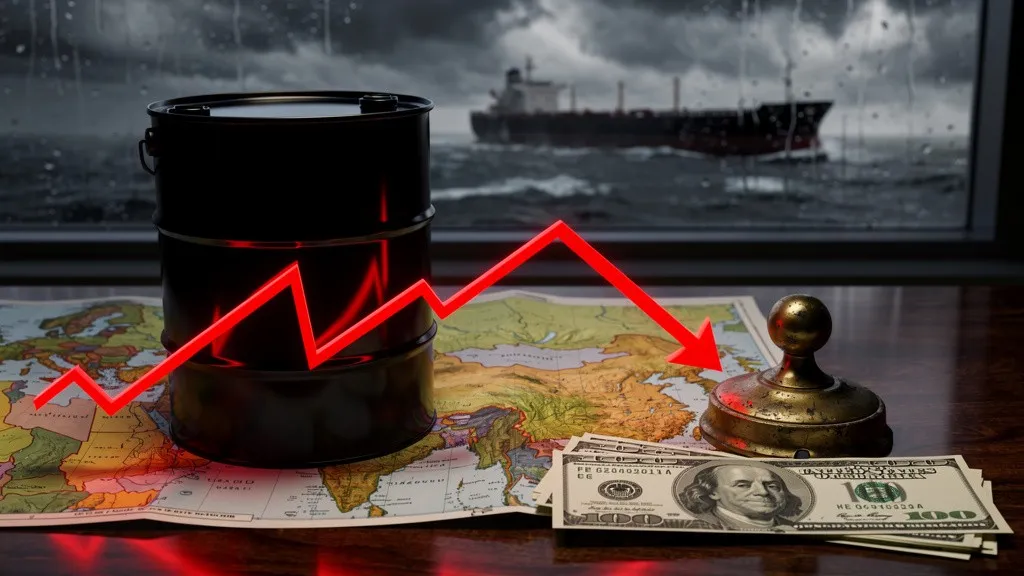
Global crude markets are currently navigating a complex tug-of-war. While geopolitical headlines regarding Venezuela and the Middle East provide a risk premium floor, physical market fundamentals are screaming “oversupply,” prompting decisive action from the world's largest exporter.
Saudi Aramco Cuts Advice to Asia
In a clear signal that demand in key Asian markets is faltering, Saudi Arabia has slashed the official selling price (OSP) for its flagship Arab Light crude. For February loadings to Asian customers, the premium has been reduced to just $0.30 per barrel above the regional benchmark.
This marks the third consecutive monthly price reduction, a strategic move by Riyadh to defend market share against a rising tide of non-OPEC+ supply. The International Energy Agency (IEA) has already forecasted a global supply surplus of 3.8 million barrels per day for the coming year, driven largely by record output from the Americas. The Saudis' willingness to lower prices globally—including exports to the US and Europe—suggests they are prioritizing volume over price stability in the short term.
The Venezuelan Wildcard
While fundamentals appear bearish, geopolitical friction in Venezuela is injecting volatility. Following moves by the Trump administration to tighten control over Venezuelan energy assets, reports indicate that US oil majors, including Chevron, ExxonMobil, and ConocoPhillips, are being courted to rehabilitate the country's dilapidated oil infrastructure.
However, industry executives remain hesitant. Despite a “get ready” signal from the White House regarding a regime shift, major heavyweights are wary of committing capital without legal guarantees and political stability.
Simultaneously, the effectiveness of US sanctions is being tested. Tracking data reveals that approximately 12 tankers, carrying over 12 million barrels of Venezuelan crude, have defied the blockade and departed for international markets. This “ghost fleet” activity suggests that removing Venezuelan supply from the global equation may be more difficult than Washington anticipates, potentially adding unexpected barrels to an already saturated market.
For USD/CAD traders, this tug-of-war has resulted in a stalemate near 1.3760, as the Loonie struggles to find direction between broader USD weakness and soft oil prices.
Disclaimer:
The views in this article only represent the author's personal views, and do not constitute investment advice on this platform. This platform does not guarantee the accuracy, completeness and timeliness of the information in the article, and will not be liable for any loss caused by the use of or reliance on the information in the article.
WikiFX Broker
Latest News
First Light News: Chip Rout Rattles Equities as Q3 Earnings Season Kicks Off
WikiFXConsumer prices rose at 3.7% annual rate in September as gas costs skyrocket
WikiFXThe Dollar Surges as Gold Slides. Could a Turning Point Be Near?
WikiFXU.S. Dollar Pulls Back From Yearly Highs: Analysis For EUR/USD, GBP/USD, USD/CAD, USD/JPY
WikiFXFirst Light News: Earnings & US CPI in Focus
WikiFXScore Capital Markets Ltd 2026 Review: Gateway or Trap?
WikiFXED Files Charge Sheet in Nexa Evergreen Investment Case Involving Rs 2,676 Crore
WikiFXNPBFX Broker Review: Regulated but Is It Safe for Traders?
WikiFXBluVox Markets Ltd Review 2026: Safe Trading Haven or High-Risk Trap?
WikiFXClient Saved via WikiFX Exposure ! Is slay4x Considered a Safe Broker or a Scam in Q4 2026?
WikiFX