Abstract:Choosing between offshore and onshore brokers could mean the difference between safeguarding your capital and losing it to hidden risks. Here’s what every trader must know before making the leap!
 In the ever-changing world of forex and CFD trading, the choice of broker can determine not only your profitability but also the very safety of your capital. Among the key decisions that traders face is whether to opt for an onshore broker that is licensed and regulated in established financial jurisdictions or to venture into the often less restrictive world of offshore brokers. This decision is not one to be taken lightly, as the consequences of a misstep can range from regulatory disputes to devastating financial loss.
This article aims to outline the distinctions between offshore and onshore brokers, weigh their respective strengths and shortcomings, and explain how platforms like WikiFX can help traders make informed, safer choices.
 Contents
What Defines an Onshore Broker?
Onshore brokers are firms licensed and regulated in jurisdictions with robust financial oversight, such as the United Kingdom, Australia, the United States, or members of the European Union. These brokers operate under stringent compliance frameworks enforced by regulatory bodies like the Financial Conduct Authority (FCA), the Australian Securities and Investments Commission (ASIC), or the Cyprus Securities and Exchange Commission (CySEC).
The essence of onshore brokers lies in their obligation to uphold investor protection standards. This often includes requirements such as:
- Segregated client accounts: ensuring traders‘ funds are separated from the broker’s operational capital.
- Regular audits and reporting: maintaining transparency through financial disclosures.
- Investor compensation schemes: providing recourse in case of insolvency.
- Strict leverage limits: designed to reduce exposure to catastrophic losses.
The trade-off, however, comes in the form of restrictions. Onshore brokers may impose higher entry barriers, stricter compliance checks (e.g., KYC and AML requirements), and more limited leverage. Some traders view these constraints as restrictive, particularly those with higher risk appetites or those located in jurisdictions with limited access to onshore markets.
The Allure of Offshore Brokers
In contrast, offshore brokers are entities registered in jurisdictions with comparatively lenient regulatory environments, commonly in the Caribbean, Indian Ocean islands, or certain parts of Asia. Names like St. Vincent and the Grenadines, Belize, or Seychelles frequently appear in this context.
Offshore brokers often appeal to traders for the following reasons:
- High leverage ratios: sometimes exceeding 1:1000, offering the potential for amplified returns.
- Ease of access: fewer barriers to entry, with lighter KYC procedures and simpler account opening.
- Lower operational costs: which may translate into reduced trading fees or more flexible conditions.
- Global inclusivity: they tend to accept clients from regions where onshore brokers may refuse service.
Yet, these very benefits often mask significant risks. The regulatory oversight in offshore jurisdictions is either minimal or entirely absent. In practice, this can result in:
- Weak investor protection: no guarantee of fund safety or compensation if the broker defaults.
- Limited transparency: absence of regular audits or meaningful compliance checks.
- Difficulty in legal recourse: pursuing disputes in foreign jurisdictions with lax financial regulation is often futile.
For traders, this creates an uncomfortable paradox: offshore brokers offer enticing trading flexibility but come with a heightened risk of malpractice, including potential scams, mismanagement of funds, or sudden operational shutdowns.
Comparing Offshore and Onshore: A Balanced Perspective
Both offshore and onshore brokers have a place in today‘s trading ecosystem, but the choice depends largely on the trader’s priorities.
- Trust vs. Flexibility: Onshore brokers win hands down on trust, backed by strong regulation, while offshore brokers shine in offering high leverage and wider client access.
- Cost vs. Security: Offshore brokers may offer lower costs, but this often comes at the expense of security. Onshore brokers may seem more expensive due to compliance costs, but these costs are often an investment in peace of mind.
- Accessibility vs. Protection: Offshore brokers provide opportunities for traders who may otherwise be excluded. However, the absence of investor protection schemes can make such opportunities perilous.
Ultimately, the decision should not be dictated by short-term benefits alone, but by the traders appetite for risk and long-term objectives.

How WikiFX Can Help You in Choosing Brokers
This is where WikiFX emerges as a crucial ally for traders. As an authoritative global broker information platform, WikiFX provides comprehensive evaluations of both offshore and onshore brokers, helping traders distinguish between legitimate, regulated firms and those that may pose significant risks.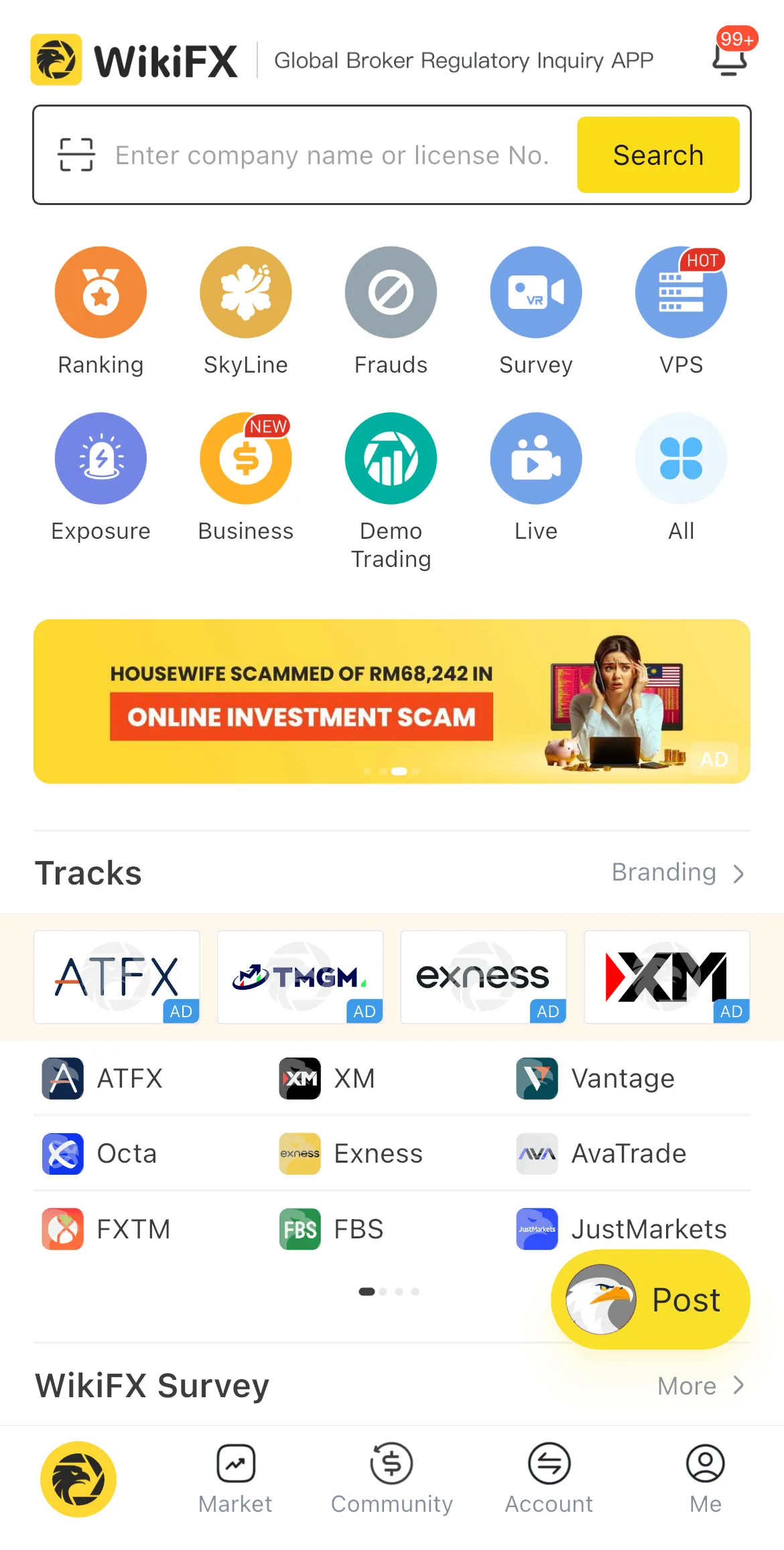
The platform aggregates and verifies regulatory information from financial authorities worldwide, enabling traders to:
- Confirm regulation status: instantly check if a broker is licensed by a recognised authority or operating without proper credentials.
- Access detailed broker profiles: including history, regulatory coverage, operational scale, and user reviews.
- Identify high-risk brokers: with clear warnings about brokers operating under suspicious or unregulated conditions.
- Compare across jurisdictions: understanding how the protections (or lack thereof) differ between offshore and onshore regulation.
By offering a blend of data-driven insights and regulatory verification, WikiFX empowers traders to cut through marketing gloss and make informed choices. For a trader debating between an offshore broker promising sky-high leverage and an onshore broker bound by tighter restrictions, WikiFX serves as a neutral, fact-based filter. This ensures that the decision rests on verifiable information, not misleading claims.
Final Thoughts
The offshore versus onshore broker debate is not merely a matter of preference; it is fundamentally about risk management. Offshore brokers may present an alluring proposition of freedom, leverage, and low entry barriers, but vulnerabilities in investor protection and regulatory oversight often overshadow such advantages. Onshore brokers, while stricter and often costlier, provide a safer environment in which traders can focus on strategy rather than worry about the security of their funds.
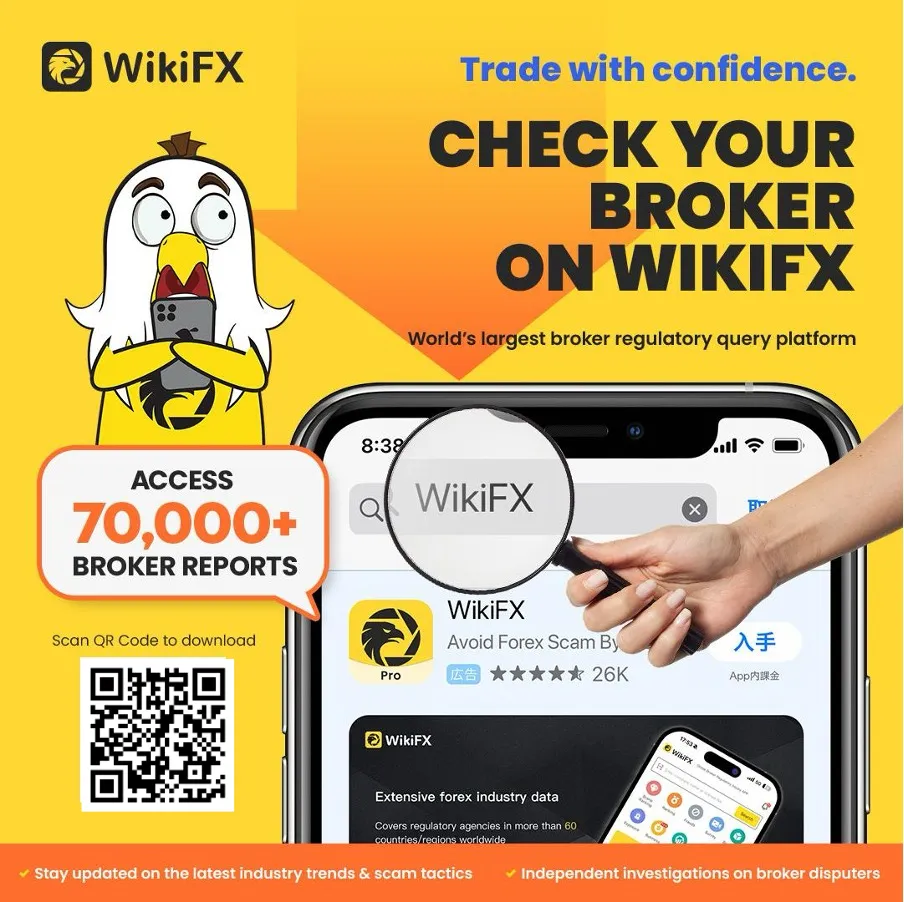
In a market as competitive and opaque as global forex, trust is currency. Platforms like WikiFX provide the transparency necessary to bridge the gap between opportunity and risk, ensuring that all traders can make informed and responsible choices.
As the trading industry continues to evolve, one truth remains constant: due diligence is indispensable. And when it comes to brokers, knowing the difference between offshore and onshore, and having the tools to verify their legitimacy, may be the difference between financial success and costly misadventure.