简体中文
繁體中文
English
Pусский
日本語
ภาษาไทย
Tiếng Việt
Bahasa Indonesia
Español
हिन्दी
Filippiiniläinen
Français
Deutsch
Português
Türkçe
한국어
العربية
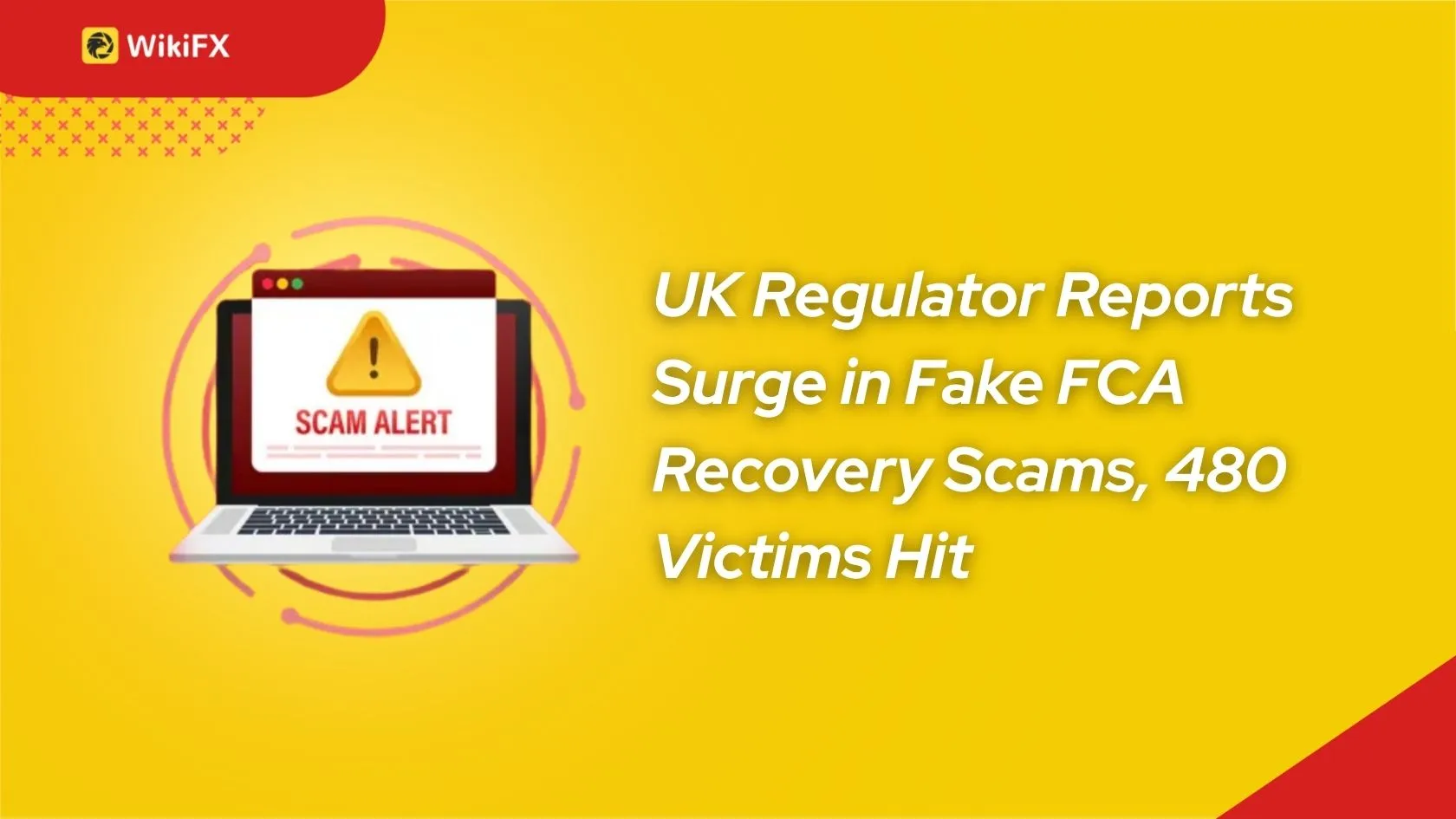
UK Regulator Reports Surge in Fake FCA Recovery Scams, 480 Victims Hit
Abstract:The UK’s Financial Conduct Authority (FCA) has raised the alarm over a surge in impersonation scams, with close to 500 people losing money in the first half of 2025.
Scale of the Threat
Between January and June, the FCA recorded 4,465 reports of fraudsters misusing its name to deceive consumers. Out of these, 480 victims transferred funds directly to criminals. Older investors appear to be the primary targets, with those aged over 56 accounting for nearly two-thirds of the reports.
The scams often arrive via phone calls, emails, text messages, or WhatsApp, with fraudsters claiming to represent the FCA. They then request payments or sensitive banking details under the pretense of recovering lost investments.
Recovery Scam Tactics
The most common approach involves convincing victims that the FCA has retrieved cryptocurrency allegedly linked to their identities. To access these funds, victims are asked to provide bank information or make additional transfers.
Other schemes involve contacting people who already lost money in fraudulent loans, offering “recovery assistance” for a fee, or sending fake legal notices claiming consumers owe money and must pay the FCA directly.
A particularly harmful trend is so-called “pig butchering” scams, where fraudsters build personal or romantic connections before luring victims into fraudulent investments. After the initial loss, the same criminals return posing as FCA officials offering to help recover funds—again, in exchange for money.
Numbers Rising Year on Year
The regulator noted that in 2024 it received 10,379 impersonation scam reports, with 991 victims losing funds. If the current pace continues, 2025 could see another year of sharp increases in financial harm caused by impersonators.
Protecting Yourself from Impersonation Scams
The FCA has made it clear that it will never request money transfers or ask for sensitive banking information such as PINs and passwords. Any message or call making such claims should raise immediate suspicion.
To stay protected, investors are advised to verify the legitimacy of financial service providers through official channels. One effective way is to use platforms like WikiFX, which allow users to check whether a broker is properly licensed and supervised. This extra step of verification can help prevent falling victim to scams that misuse the names of regulators or established institutions.
By combining caution, direct checks with regulators, and tools like WikiFXs broker search, investors can significantly reduce their exposure to fraudsters who exploit trust to steal funds.

Disclaimer:
The views in this article only represent the author's personal views, and do not constitute investment advice on this platform. This platform does not guarantee the accuracy, completeness and timeliness of the information in the article, and will not be liable for any loss caused by the use of or reliance on the information in the article.
Read more

Delta Fx Review: Are Technical Glitches and Scam-Like Practices Draining Trader Profits?
Did you have to email a lot to get your forex trading account live on Delta Fx? Do you lose trades because of frequent MT4/MT5 trading platform issues on the Delta Fx login? Do the broker’s customer support officials fail to resolve your trading queries? Have you also faced profit removal issues at the UK-based forex broker? Many traders have pointed out these trading flaws online. In this Delta Fx review article, we have analyzed many such complaints. Take a look!

ThinkMarkets Review: Why High Ratings Are Masking a "Withdrawal Black Hole"
While many brokers boast about their awards and regulatory licenses, the reality facing traders on the ground can offer a much darker picture. ThinkMarkets currently holds an "A" influence rank and displays a high score of 7.90 on WikiFX, yet our records recognize a disturbing surge in trader distress signals. In just the last three months, WikiFX has received 75 complaints, painting a stark contrast between the broker's public image and the private struggles of its clients.

KKR Exposed: Traders Allege Fund Scams, Withdrawal Denials & Regulatory Concerns
Do you witness a negative trading account balance on the KKR broker login? Does the broker prevent you from withdrawing your funds after making profits? Do you need to pay an extra margin for withdrawals? These trading issues have become common for traders at KKR. In this KKR broker review article, we have elaborated on the complaints. Take a look!

In-Depth Uniglobe Markets Regulation and License Overview: A Trader's Due Diligence Report
This in-depth overview will conduct a thorough Uniglobe Markets regulatory status and financial authority check. By dissecting data from regulatory bodies, corporate registries, and user-reported experiences, we will provide a clear, data-driven analysis of the protections—or lack thereof—afforded to clients. The central question we aim to answer is whether Uniglobe Markets meets the stringent safety standards required by serious, long-term traders.