Abstract:Safe-haven assets rally, oil prices rebound, and market confidence improves – but investors must stay cautious amid growing global uncertainty.
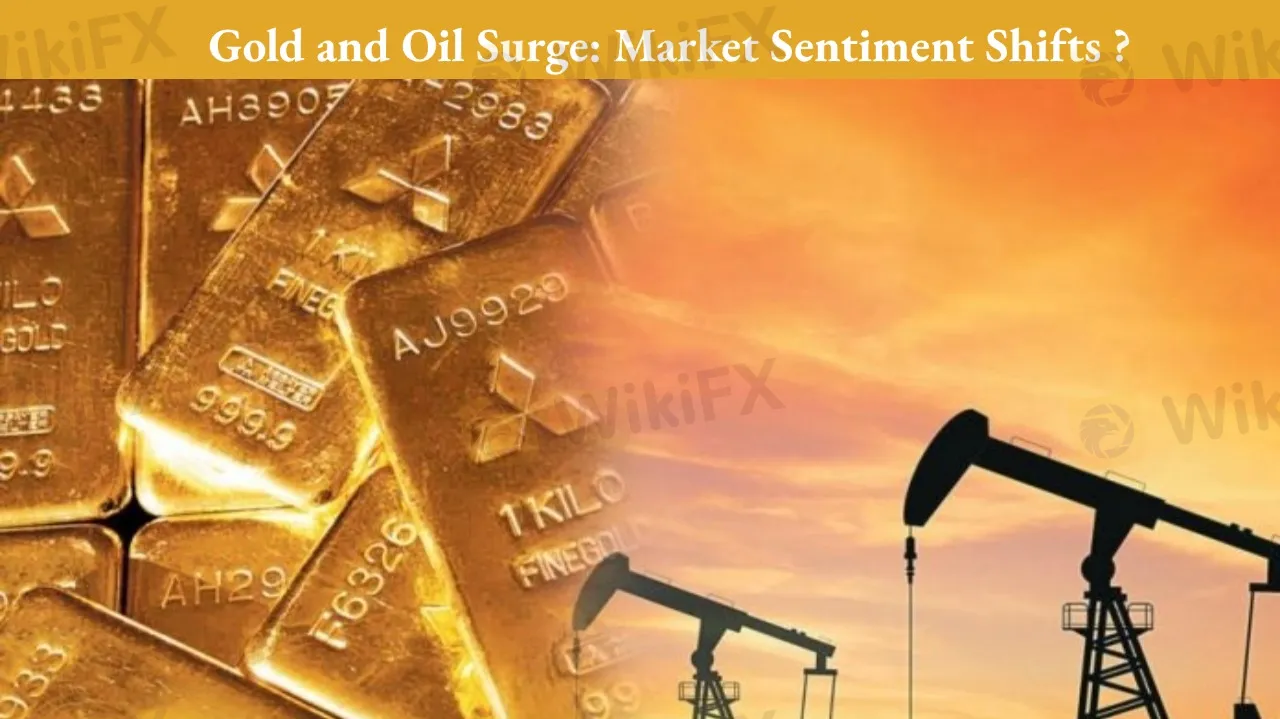
The gold market has shown strong momentum recently, once again becoming a haven for global investors. Spot gold surged to $3,349.6 per ounce, up 1.83%, while U.S. gold futures climbed 1.73% to $3,373. These gains were largely driven by rising global risk aversion.
One major driver is the escalating geopolitical conflict, particularly the renewed tension between Russia and Ukraine. Concerns about prolonged warfare and its ripple effects on global stability have pushed investors toward gold. In addition, trade-related uncertainties stemming from various countries' shifting import-export policies are also boosting demand for safe-haven assets.
A weakening U.S. dollar has further supported gold's upward momentum. The dollar index fell by 0.63%, making gold more attractive for non-dollar holders. Analysts note that in times of rising risk aversion and a softening dollar, gold tends to rally sharply.
Investors are also closely watching statements from Federal Reserve officials to gauge future monetary policy. Market consensus suggests that any signal of a slowing interest rate hike cycle would be positive for gold.
Oil Prices Rebound on Stable Output Outlook
Oil prices are rising alongside gold. Brent crude futures rose to $64.69 per barrel, a 3.04% gain, while West Texas Intermediate (WTI) crude jumped by $2.08, up 3.42%. This strong rebound follows a mild pullback in the previous session.
The immediate catalyst was the latest OPEC+ decision to maintain its planned production increase for July. The alliance announced only a modest increase of 411,000 barrels per day, in line with previous months. This move reassured markets and eased concerns about oversupply.
Some analysts believe this decision was also a signal to member countries that have been exceeding their quotas, such as Iraq and Kazakhstan. By maintaining the current production path, OPEC+ is demonstrating its commitment to market stability.
In the U.S., low refined oil inventories and a surge in driving activity during the summer travel season have further tightened supply expectations. Many analysts predict sustained demand growth in the coming months, which could keep oil prices elevated.
The Shared Logic Behind the Gold-Oil Rally
Both gold and oil are surging, but the core driver is the same: uncertainty.
With the global political and economic landscape becoming increasingly volatile, investors are reassessing risk across their portfolios. Gold, as a non-yielding asset, becomes more attractive when interest rate expectations stabilize or decline. Meanwhile, oil, being central to economic activity, reflects market expectations about future supply and demand imbalances.
Gold typically moves inversely to the dollar. As the dollar weakens, gold becomes more affordable to investors using other currencies. Similarly, oil—priced in dollars—is also indirectly affected by currency fluctuations.
The current rally in both gold and oil is not a coincidence. It reflects rising concerns over inflation, geopolitical instability, and the direction of central bank policies.
Challenges for Investors Amid the Rally
While the rise in gold and oil offers potential gains, investors also face growing risks:
Volatility Risk: Rapid price movements can attract short-term traders, leading to higher market volatility and making it harder to manage risk.
Complex Information Landscape: With frequent policy shifts across countries, interpreting economic signals becomes more difficult, increasing decision-making uncertainty.
Asset Allocation Dilemma: Rising gold prices may reduce the appeal of equities and other risk assets, forcing investors to reassess their portfolio strategies.
Increased Market Correlation: The rally in safe-haven and commodity assets signals broader macro concerns. A shock in one market could ripple through others more easily.
Given this, investors need to remain flexible and cautious, with strategies that focus on risk control rather than aggressive returns.
Why Are Gold and Oil So Influential?
To better understand current market trends, it's useful to revisit the strategic role of gold and oil.
Gold: The Ultimate Safe-Haven Asset
Gold is not tied to any government's credit and is often seen as a reliable store of value during crises.
Though it doesnt generate interest, gold performs well in inflationary or low-rate environments.
Central banks also hold significant gold reserves, reinforcing its status as a global benchmark asset.
Oil: The Lifeblood of the Global Economy
Crude oil powers transport, industry, and serves as a critical input in various sectors like chemicals and agriculture.
Oil prices affect everything from energy bills to consumer goods, making them a key indicator of economic trends.
Demand for oil is closely linked to economic activity, so rising prices can also reflect inflation risks and supply bottlenecks.
When gold and oil prices rise together, it signals not only concern over geopolitical risks but also expectations of tighter resources and rising costs across the board.
The synchronized surge in gold and oil reflects more than just asset-specific rallies—it signals a shift in global sentiment toward caution and risk mitigation. In todays uncertain environment, investors should prioritize stability, maintain diversified portfolios, and avoid emotional decision-making.