Abstract:In the fierce competition of the fintech industry, IG Group, with its sharp market insight and continuous strategic upgrades, is projected to surpass the £1 billion revenue mark in FY25, injecting strong confidence into the sector.
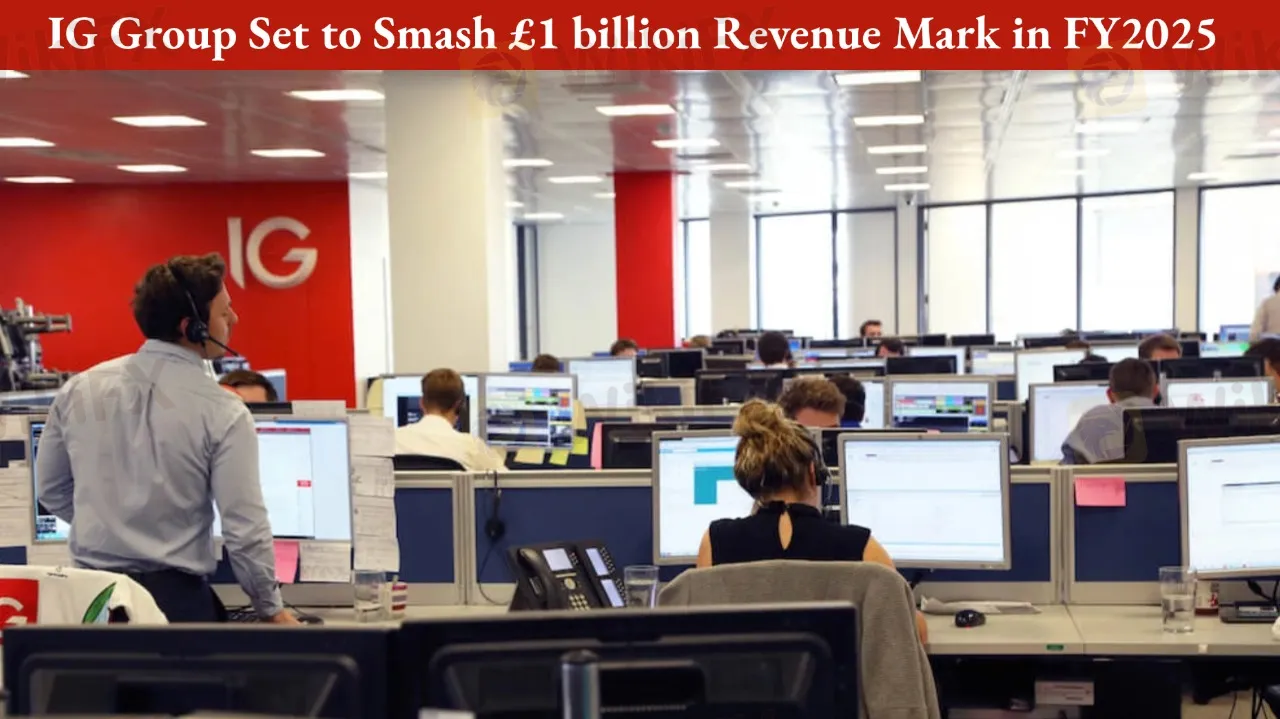
A Veteran Broker with Steady Global Expansion
IG Group (IG Group plc) is a global financial derivatives trading platform founded in 1974. It mainly offers spread betting and CFD (Contract for Difference) services, covering a wide range of asset classes, including forex, stocks, indices, and commodities. With robust technological support and a strict compliance system, IG currently operates in over ten countries worldwide, serving users across Europe, Asia-Pacific, the Middle East, and more. It is a trusted platform certified by several financial regulatory authorities.
For many years, IG has focused on technological innovation and user experience, striving to provide a stable and efficient trading environment for global investors. As a publicly listed company on the London Stock Exchange, IG has become a benchmark in the industry, known for its solid financial performance and strong risk management framework.
Breaking £1 Billion in Revenue: FY25 Outlook
According to the latest Q4 trading update for FY25, IG Group forecasts total revenue for the fiscal year will reach £1.051 billion, with adjusted pre-tax profits expected to hit £516.3 million. Both of these key indicators are expected to meet or exceed the higher end of analysts' predictions.
The company has noted that Q4 performance has been especially impressive, benefiting from increased market volatility in April, which significantly boosted client trading activity and platform transaction volumes. This strong growth during this period has become a key driver behind the projected revenue surge.
IGs revenue breakthrough is a result of its multifaceted positive strategy. First, as market volatility increased, spread betting and CFD products became even more popular among investors due to their high flexibility, leading to a rapid rise in platform trading volumes.
Additionally, IG completed the acquisition of the UK-based stock trading platform Freetrade at the start of FY25. This acquisition not only expanded IG's commission-free investment offerings but also increased its coverage of retail users. The deal was fully funded by existing capital, without affecting the company's cash flow, and brought strategic synergies.
Furthermore, IG has implemented several capital optimization measures, including expanding its stock buyback program to £200 million, refinancing a £60 billion credit line, and planning to issue senior unsecured bonds to enhance financial flexibility and long-term planning capabilities. At the same time, the company is gradually exiting less efficient businesses, such as the closure of its Spectrum multilateral trading facility, to focus resources on high-potential sectors.
Understanding Fiscal Year (FY)
A Fiscal Year (FY) is a financial year used by companies, governments, and organizations for accounting and tax purposes. Unlike the calendar year, which runs from January 1 to December 31, a fiscal year can start and end on different dates depending on the organization's needs, typically lasting 12 months.
Fiscal years play a crucial role in financial planning, reporting, and budgeting for both businesses and government agencies. They help organizations organize and track revenue, expenditures, taxes, and other financial data, enabling more accurate financial decision-making.
Types of Fiscal Years
Natural Fiscal Year: This fiscal year follows the calendar year, starting on January 1 and ending on December 31. Most businesses and countries use this type of fiscal year.
Non-Natural Fiscal Year: Some businesses or government entities choose a fiscal year that differs from the calendar year. For example, many retailers may choose a fiscal year from February 1 to January 31 to better track and report sales during the Christmas holiday season and other key retail periods.
Fiscal Quarters: A fiscal year is typically divided into four quarters, with each quarter ending with a financial report to help management and investors assess the company's performance. Common fiscal quarters are January-March, April-June, July-September, and October-December.
Why is the Fiscal Year Important?
Budgeting and Planning: Fiscal years help businesses and governments with financial planning, such as how to allocate revenue, investments, and control spending. This annual cycle allows organizations to assess and adjust their financial activities more clearly.
Financial Reporting: Companies release financial reports based on fiscal year-end data. These reports, including income statements, balance sheets, and cash flow statements, provide insights into the companys operating performance, profitability, and financial health.
Tax Reporting: Different countries and regions have varying tax regulations regarding fiscal years. After a fiscal year ends, businesses need to file taxes based on their financial data for that year, ensuring compliance with local tax laws.
The Relationship Between Fiscal Year and Accounting
Accounting standards require all companies and organizations to use a standardized fiscal year framework for managing their financial records. Regardless of the start and end dates a company chooses for its fiscal year, it will affect the reporting periods for its revenue, expenses, and profits. The fiscal year system ensures regular financial reporting and enables comparisons of financial performance between different businesses during the same time period.
In summary, a fiscal year is a key financial management period that helps organizations and governments efficiently manage budgeting, tax reporting, and financial planning. Businesses and regions may select fiscal year start and end dates that best suit their industry characteristics and fiscal policies.
For more information on brokers, feel free to visit our official website (https://www.WikiFX.com/en) or download the WikiFX App to help you find the most trustworthy broker and ensure your trading experience is safer and more reliable.