


Vietnam Becomes New Base for Cross Border Scam Syndicates After Cambodia Crackdown
Cross border scam syndicates are constantly adapting to evade law enforcement by moving from Cambodia to Vietnam.
Original

简体中文
繁體中文
English
Pусский
日本語
ภาษาไทย
Tiếng Việt
Bahasa Indonesia
Español
हिन्दी
Filippiiniläinen
Français
Deutsch
Português
Türkçe
한국어
العربية
اردو




Abstract:A teacher from Georgetown, Penang, has lost RM511,000 after falling victim to an online investment scam run through a WhatsApp group named ‘Destiny On Your Hands’ that promised high returns.

A teacher from Georgetown, Penang, has lost RM511,000 after falling victim to an online investment scam run through a WhatsApp group.
The 47-year-old man filed a police report on 10 May at the South Seberang Perai Commercial Crime Investigation Division. According to police, the scam began in February when he came across a Facebook advertisement for a stock trading investment that promised high returns.
He contacted the person behind the ad through WhatsApp and was added to a group called Destiny On Your Hand. Inside the group, members shared detailed information about the investment, making it sound like a legitimate and fast way to earn money.
The man was then told to download an app using a link sent by the scammers. This was said to be part of the registration process. Over time, he made 12 payments to three different bank accounts, believing he was investing his money.

Trouble began when he tried to withdraw his money (both the capital and the profits) but was unable to do so. It became clear that he had been scammed, and he went to the police.
Penang Police Chief Datuk Hamzah Ahmad said the case is being investigated under Section 420 of the Penal Code, which deals with cheating.
This case is part of a growing trend where scammers use social media and messaging platforms to trick people into handing over large amounts of money. These scams often use professional-looking materials and fake platforms to appear genuine.
To avoid becoming a victim, experts advise checking the background of any investment or broker before sending money. One useful tool is WikiFX, a platform that allows users to look up brokers, check if they are licensed, and read reviews from other users. It also sends alerts if a broker is not properly regulated or shows signs of fraud.
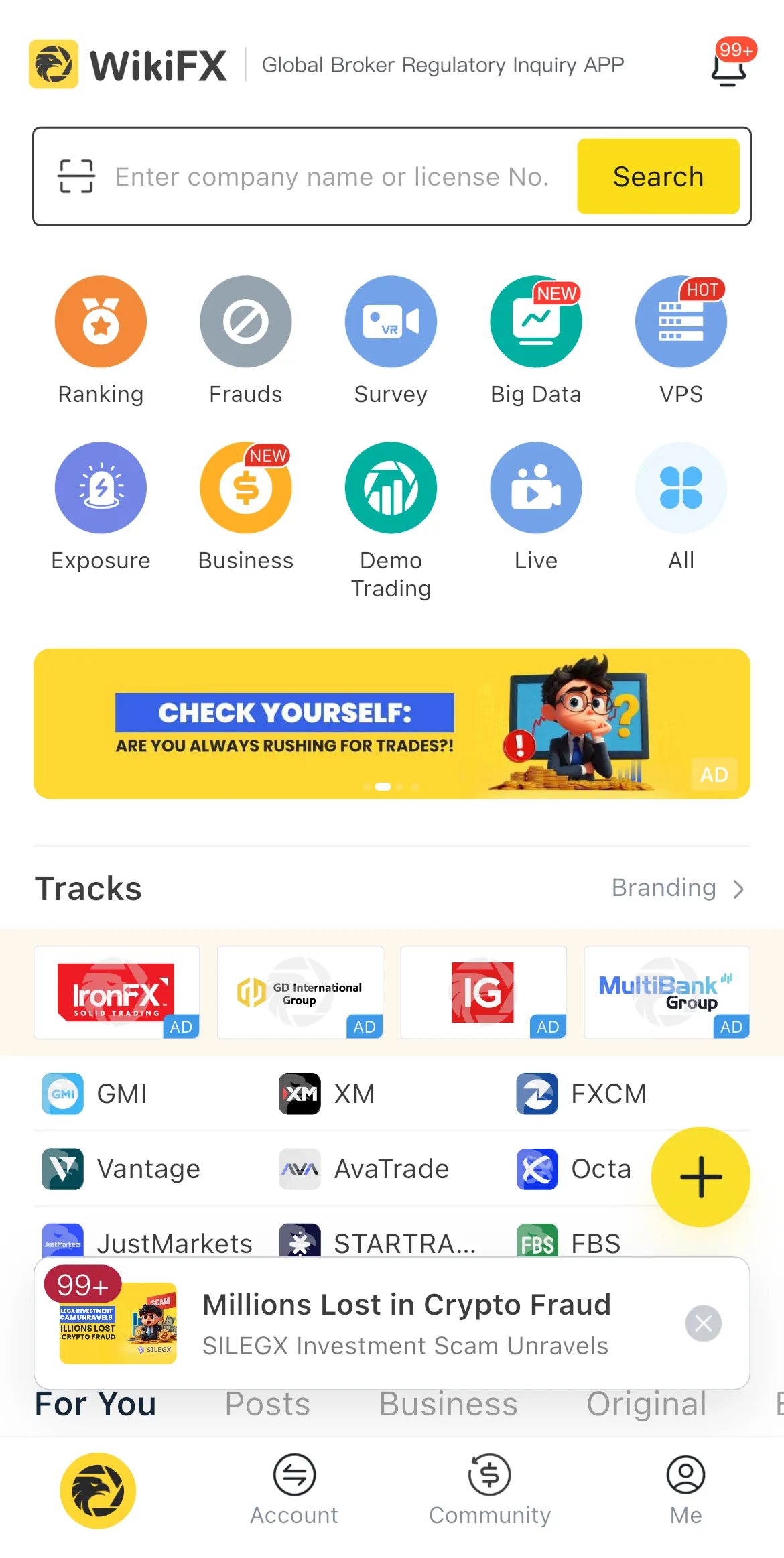
By using tools like WikiFX and being cautious with investment offers, especially those seen on social media, people can better protect their savings. If a scheme promises high returns with little risk, it is often a warning sign of a scam.

Disclaimer:
The views in this article only represent the author's personal views, and do not constitute investment advice on this platform. This platform does not guarantee the accuracy, completeness and timeliness of the information in the article, and will not be liable for any loss caused by the use of or reliance on the information in the article.

Cross border scam syndicates are constantly adapting to evade law enforcement by moving from Cambodia to Vietnam.
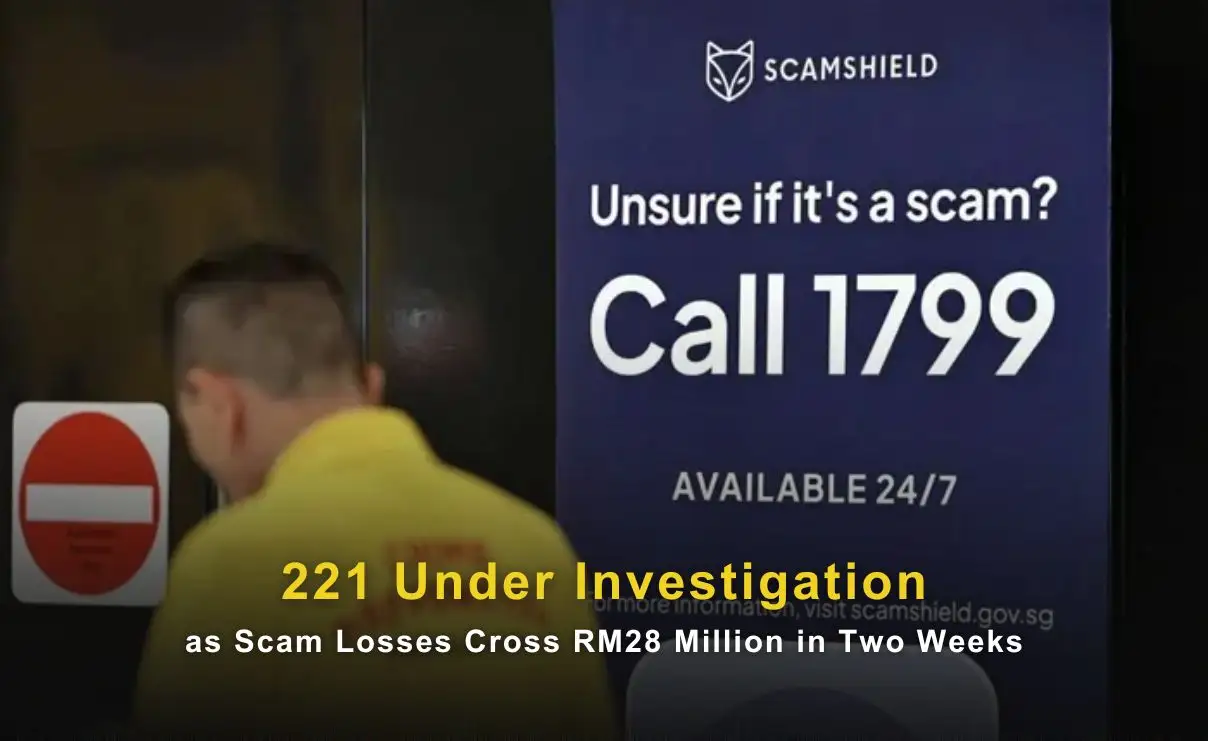
Singapore authorities have concluded a major anti-scam enforcement operation that resulted in 221 individuals being placed under investigation for their alleged roles in a wide range of fraudulent schemes.

Malaysia may be emerging as a new destination for transnational scam syndicates seeking to evade mounting pressure from international law enforcement agencies, according to a leading humanitarian organisation.

He Claimed Elite Connections. She Ended Up Losing Millions and Her Dream Car
WikiFXWikiFXWikiFXWikiFXWikiFXWikiFXWikiFXWikiFXWikiFXWikiFX