Abstract:Fraudsters are using MFSA-branded fake documents to scam crypto users, as impersonation of regulators rises globally and document-based scams grow increasingly sophisticated.
 Contents
Scammers Pose as MFSA Officials to Demand False Fines
A new crypto-related scam has emerged in Malta, targeting digital asset traders with fraudulent documents impersonating the Malta Financial Services Authority (MFSA). The forged letters claim that recipients have committed market manipulation—particularly involving Bitcoin and Ethereum—and must pay regulatory fines.
These fake notices mimic the MFSAs branding, including its logo, formatting, and official signature style. According to the regulator, the documents are entirely false, and the MFSA has issued a public warning urging the public to stay alert. The scam leverages institutional credibility to pressure victims into making payments, often using threats of legal consequences or urgent deadlines to reduce scrutiny.
Other Jurisdictions Report Similar Impersonation Schemes
Maltas warning follows a broader global pattern of scammers using forged government credentials to extract funds from unsuspecting individuals. In the United States, the Commodity Futures Trading Commission (CFTC) previously reported emails falsely accusing crypto users of tax fraud, allegedly sent by its enforcement division. In the UK, the Financial Conduct Authority (FCA) flagged incidents where individuals posed as FCA investigators demanding access to private wallets under the guise of compliance checks.
These impersonation efforts are growing more refined, often using real official names and structures to deceive victims. The tactics show an evolution from typical phishing attempts toward more credible, document-based fraud—making it harder for investors to distinguish scams from legitimate notices.
Investors Urged to Verify and Report Suspicious Communications
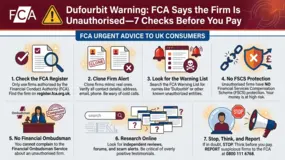
In light of the rising threat, the MFSA strongly advises users to verify any correspondence that appears to come from a financial authority. Genuine enforcement actions are not delivered through unofficial emails, nor do they demand immediate payment without proper legal procedure. Individuals are encouraged to cross-check company or enforcement notices using the MFSAs official website or contact lines.
Furthermore, suspicious messages should be reported directly to the MFSAs Financial Crime Compliance Unit. Tools like public regulator databases and verified contact portals remain essential in filtering out fraudulent outreach.