
ASIC Review Leads to Millions in Refunds After Widespread CFD Rule Breaches
After detecting major compliance failures, ASIC secures refunds for thousands of CFD traders and forces changes across the brokerage industry.
简体中文
繁體中文
English
Pусский
日本語
ภาษาไทย
Tiếng Việt
Bahasa Indonesia
Español
हिन्दी
Filippiiniläinen
Français
Deutsch
Português
Türkçe
한국어
العربية
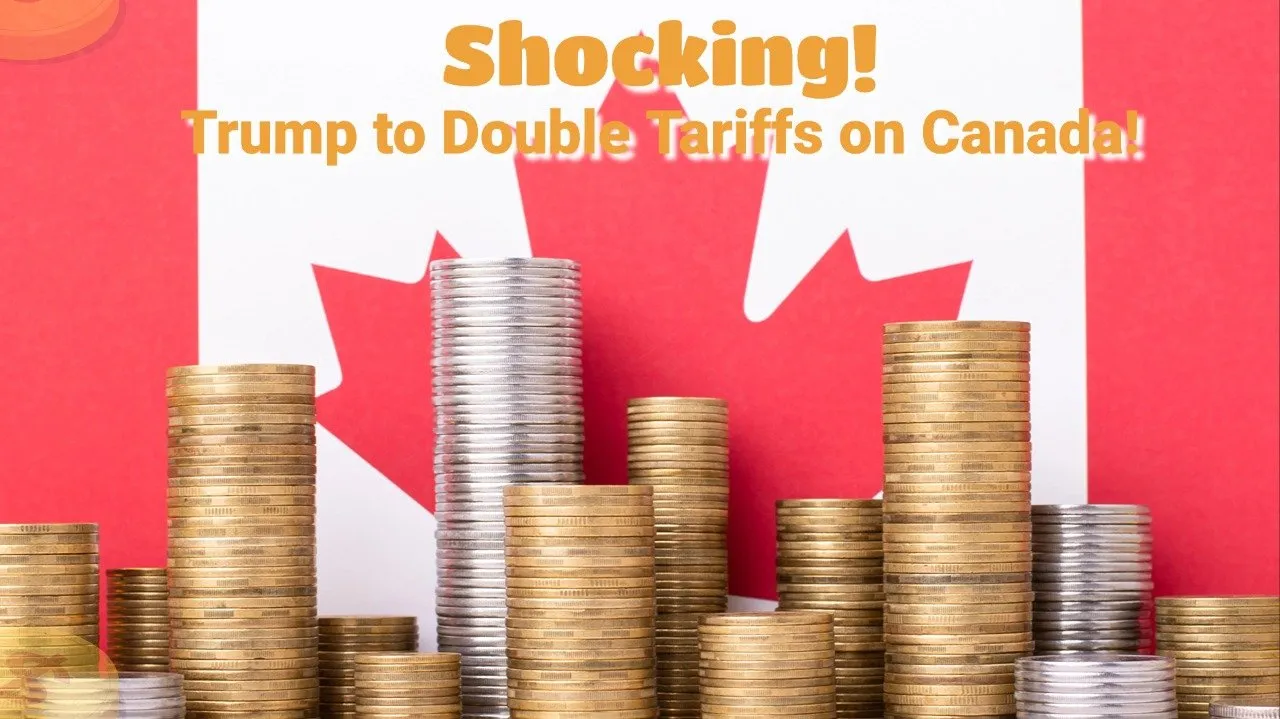
Abstract:Trump announced a tariff hike on Canadian steel and aluminum to 50%, shaking the markets. The Canadian stock market took a hit, the Canadian dollar plummeted, and U.S. steel and aluminum stocks surged, triggering strong reactions from all sides.

U.S. President Donald Trump recently declared an additional 25% tariff on Canadian steel and aluminum imports, bringing the total tariff rate to 50%.
This decision was made in response to Ontario‘s move to impose a 25% tax on electricity exports to the U.S. Trump stated that the tariff increase was a countermeasure against Canada’s trade policies and warned that if Canada did not withdraw its tariffs, the trade war could escalate further.
The announcement sent shockwaves through global markets. Both U.S. and Canadian stock markets fell, the Canadian dollar plunged, while U.S. steel and aluminum stocks surged. Later, Trump hinted at a possible concession on the tariff issue, briefly easing market concerns.
By 4 p.m. Eastern Time, the White House confirmed that the existing 25% tariffs on steel and aluminum would take effect at midnight, though no details were provided on the enforcement of the 50% tariff.
Canada responded firmly, refusing to yield to Trump‘s pressure and even threatening to cut off electricity supplies to the U.S. Former U.S. Treasury Secretary Larry Summers criticized the policy as “self-inflicted harm,” warning that it could worsen recession risks. Meanwhile, the UK government stated that it would not respond to Trump’s tariff threats but would continue seeking an exemption.
Overall, Trumps decision not only strained U.S.-Canada relations but also created economic and political uncertainty on a global scale.
Disclaimer:
The views in this article only represent the author's personal views, and do not constitute investment advice on this platform. This platform does not guarantee the accuracy, completeness and timeliness of the information in the article, and will not be liable for any loss caused by the use of or reliance on the information in the article.

After detecting major compliance failures, ASIC secures refunds for thousands of CFD traders and forces changes across the brokerage industry.

The Australian Dollar (AUD) advanced against the US Dollar on Thursday after stronger-than-expected employment data reinforced expectations that the Reserve Bank of Australia (RBA) may maintain a tighter monetary policy stance for longer. Meanwhile, the US Dollar remained steady as easing trade tensions offset reduced expectations for near-term Federal Reserve rate cuts.

WikiFX has launched the “Inside the Elite” Interview Series, featuring outstanding members of the newly formed Elite Committee. During the committee’s first offline gathering in Dubai, we conducted exclusive interviews and gained deeper insights into regional market dynamics and industry developments. Through this series, WikiFX aims to highlight the voices of professionals who are shaping the future of forex trading — from education and compliance to risk control, technology, and trader empowerment.

Summary: A real post from a member of the Bitcoin Thai Community struck a chord this December — a crypto trader shared that he lost nearly 10 million Thai baht (about $270,000) trading futures. What began as quick gains spiraled into a complete account wipeout due to high leverage, frequent trading, and repeated top-ups fueled by overconfidence. This painful experience illustrates a timeless trading lesson: markets don’t ruin people — emotions and lack of discipline do.