


FXGT Review of an Indian User's USD 1089.37 Profit Dispute
FXGT review of an India-labelled profit dispute, with complaint screenshots, a transaction-date mismatch, entity disclosures and evidence limits.
Original

简体中文
繁體中文
English
Pусский
日本語
ภาษาไทย
Tiếng Việt
Bahasa Indonesia
Español
हिन्दी
Filippiiniläinen
Français
Deutsch
Português
Türkçe
한국어
العربية
اردو




Abstract:Recently, the stability of the Naira exchange rate has become a key focus in the market. The Central Bank of Nigeria (CBN) has implemented a series of monetary policy interventions, reducing the exchange rate gap between the official market and the parallel market to below 1%.
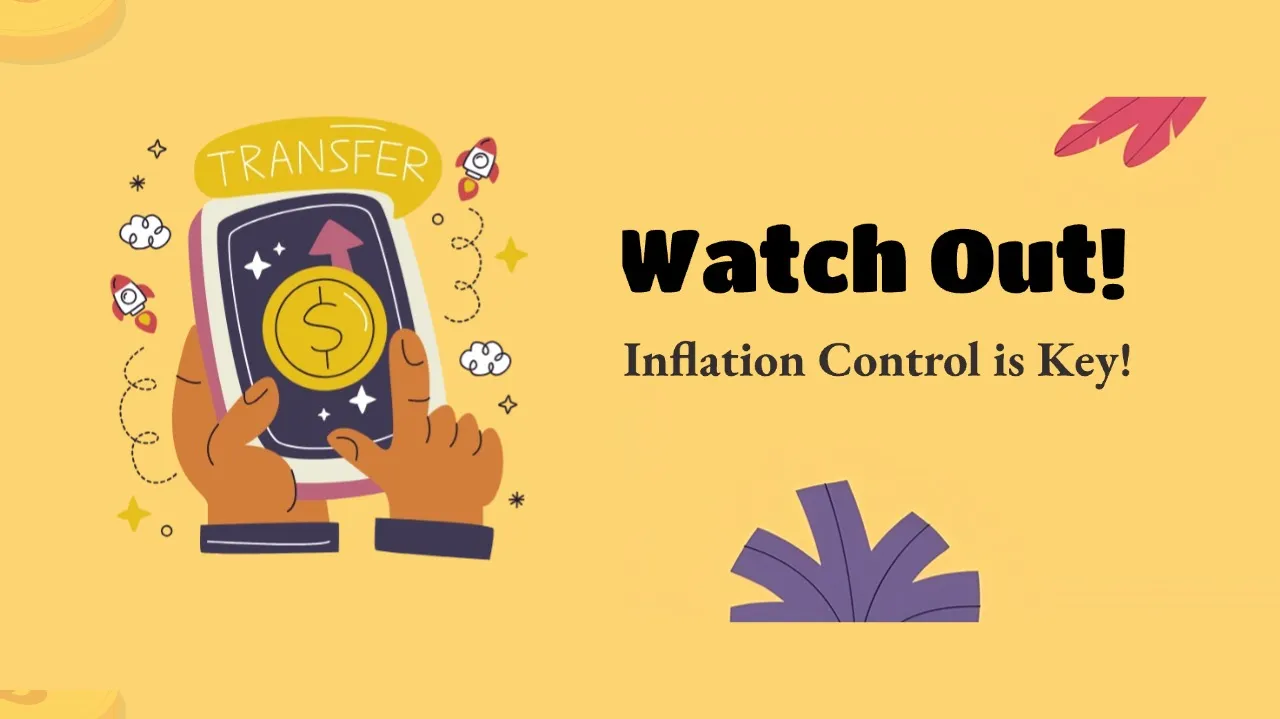
This stabilization has boosted market confidence and helped mitigate speculative risks caused by exchange rate volatility. However, despite the stabilization of the exchange rate, the overall economy still faces numerous challenges, particularly the unresolved issue of high inflation.
CBN has introduced policies such as the electronic foreign exchange matching system (B-Match) and the Foreign Exchange Code, significantly enhancing market transparency and curbing underground trading. Additionally, Nigeria's oil production has increased to 1.54 million barrels per day, and foreign exchange reserves have reached $39.4 billion, providing 9.6 months of import coverage. These factors combined have further stabilized the Naira and attracted more investor interest in the Nigerian market.
While the exchange rate has improved, inflation remains a major challenge for the Nigerian economy. As of January 2025, Nigerias overall inflation rate stood at 24.48%, with food inflation soaring to 26.08%.
High import costs, unstable agricultural production, and supply chain bottlenecks have all contributed to rising prices, keeping inflation at persistently high levels. Moreover, security concerns have exacerbated food shortages and logistical difficulties, putting additional pressure on ordinary citizens.
To effectively control inflation, the Nigerian government must adopt a comprehensive approach. First, strengthening agricultural infrastructure, boosting domestic production, and reducing reliance on imported food are essential. Second, optimizing supply chain management, lowering logistics costs, and improving market liquidity can help stabilize prices.
Additionally, the government should increase investments in the energy sector to ensure a stable power supply, thereby reducing production costs for businesses. At the same time, better coordination between monetary and fiscal policies is needed to maintain market stability and enhance investor confidence.
Overall, while the stabilization of the Naira exchange rate is a positive sign, inflationary pressures remain a serious concern. The government and CBN must continue pushing forward with reforms and strengthening policy coordination to ensure long-term economic stability.
Disclaimer:
The views in this article only represent the author's personal views, and do not constitute investment advice on this platform. This platform does not guarantee the accuracy, completeness and timeliness of the information in the article, and will not be liable for any loss caused by the use of or reliance on the information in the article.

FXGT review of an India-labelled profit dispute, with complaint screenshots, a transaction-date mismatch, entity disclosures and evidence limits.

Did your Weltrade account earn you profits only to be cancelled by the broker on claims such as trading abuse? Did you fail to open or close orders due to stuck charts? Did you notice an unaccounted fund deduction? Users have been constantly reporting these issues on broker review platforms such as WikiFX. This Weltrade review examines user allegations and provides you with an overview of the company's regulatory structure.
Deriv, a Malta-based brokerage firm, receives multiple allegations on trading charts that are allegedly not in traders' interest. The constant price spikes on the Deriv platform usually lead to losses for traders, according to the user reviews shared on broker evaluation platforms such as WikiFX. Additionally, users have reported withdrawal issues and deposit credit failures on the trading platform. In this Deriv review 2026, we have examined multiple user allegations and shared its regulatory framework.

Gold and silver fell after the weekend's US-Iran escalation, and Indian markets opened lower on 28 September. The rupee opened 7 paise weaker at 95.88 against the dollar. Brent crude traded around $107 a barrel. US 10-year yields sat near 5.20%. Those figures come from trader posts on X, not from any media report in this material. None of them has been independently confirmed. Treat them as what traders saw on their screens at the open, not as settled fact. The counterintuitive part is the metals. War usually pushes gold up. This time it didn't. "Both precious metals had other plans after this weekend's US-Iran war escalation," wrote @YuvrajShah02, an account with 15,103 followers, roughly two hours after the open. The same post says Indian markets "have also taken a hit today." That post is the event this article is about. Everything below comes either from it or from other trader posts published the same morning.
WikiFXWikiFXWikiFXWikiFXWikiFXWikiFXWikiFXWikiFXWikiFXWikiFX