Abstract:Offering flexibility and potential for profit in both rising and falling markets, spread betting has emerged as a favoured choice among traders seeking leveraged opportunities. So, what exactly is spread betting, and how does it work?

In the dynamic world of financial trading, various strategies and instruments cater to different risk appetites and investment goals. One such method gaining popularity, particularly in the realm of forex and cryptocurrency trading, is spread betting. Offering flexibility and potential for profit in both rising and falling markets, spread betting has emerged as a favoured choice among traders seeking leveraged opportunities. So, what exactly is spread betting, and how does it work?
At its core, spread betting is a form of derivative trading where participants speculate on the price movements of various financial instruments without actually owning the underlying asset. Instead of purchasing the asset outright, traders place bets on whether the price will rise or fall within a specified time frame. The profit or loss is determined by the accuracy of the prediction and the size of the stake.
One of the key features of spread betting is the spread itself. This refers to the difference between the buying (ask) and selling (bid) price of an asset. Unlike traditional trading methods where commissions or fees are charged, spread betting incorporates the spread as the primary cost of trading. Traders aim to profit by correctly predicting price movements that exceed this spread.
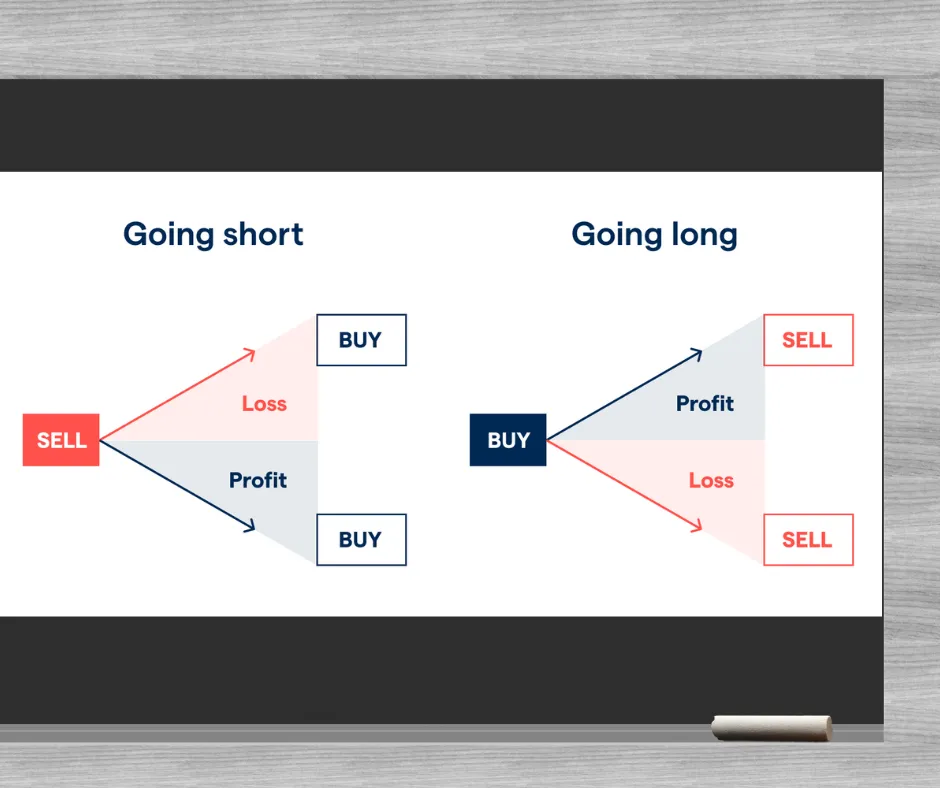
For instance, if a trader believes that the price of a currency pair like EUR/USD will increase, they would place a “long” spread bet. Conversely, if they anticipate a decrease in price, they would place a “short” spread bet. The potential profit or loss is determined by how much the price moves in the chosen direction.
Spread betting also offers leverage, allowing traders to control a larger position size with a relatively small amount of capital. While leverage can amplify profits, it also magnifies losses, making risk management crucial. Traders must be mindful of the potential for significant losses, especially when using high leverage.
Furthermore, spread betting provides flexibility in terms of trading various markets, including forex, indices, commodities, and cryptocurrencies. This versatility enables traders to diversify their portfolios and capitalize on opportunities across different asset classes.
Regulation and tax implications are essential considerations for spread bettors. Regulations vary by jurisdiction, with some regions imposing restrictions or requiring licensing for providers. Additionally, tax treatment differs between countries, with spread betting often considered tax-free in certain jurisdictions, subject to specific criteria.
Despite its appeal, spread betting carries inherent risks and complexities that may not be suitable for all traders. Market volatility, leverage, and the potential for significant losses underscore the importance of thorough research, disciplined risk management, and a sound trading strategy.
In conclusion, spread betting offers a flexible and leveraged approach to trading financial markets, allowing participants to profit from both upward and downward price movements without owning the underlying asset. By understanding the mechanics, risks, and regulatory considerations associated with spread betting, traders can make informed decisions and navigate the markets with confidence. As with any form of trading, diligence, and prudent risk management are essential for success in spread betting.