Abstract:Recent regulatory actions by the CySEC have resulted in an administrative fine of €100,000 imposed on BDSwiss Holding Ltd, shedding light on the company's non-compliance with mandatory requirements and its association with offshore entities, while offering investment services in CFDs.
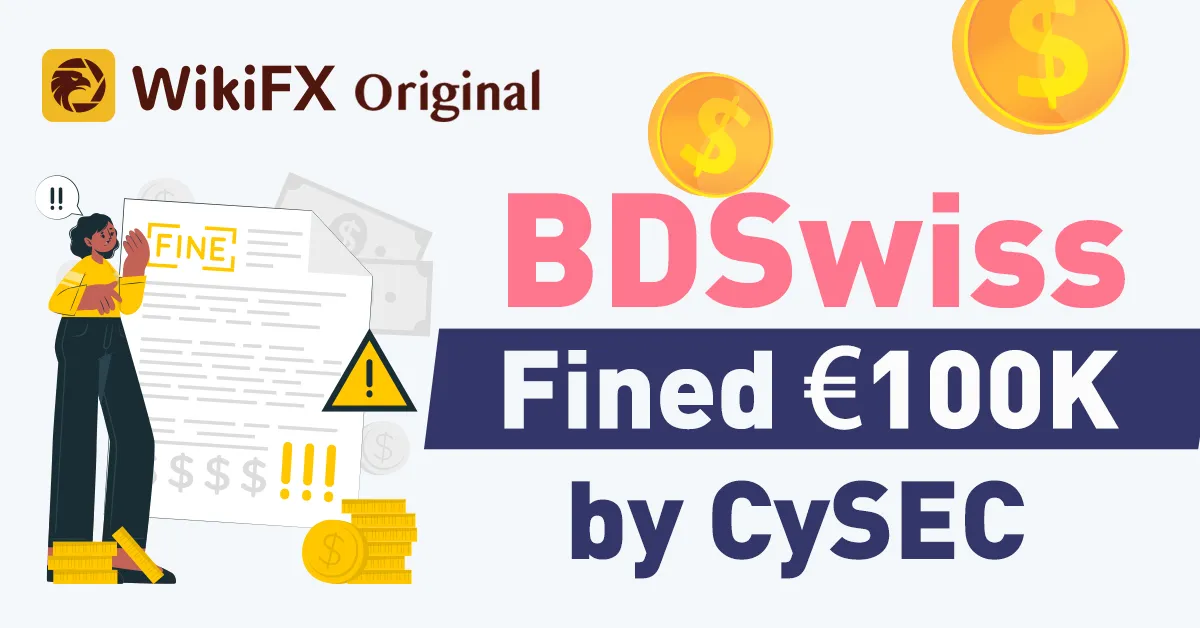
The Cyprus Securities and Exchange Commission (CySEC) has recently levied an administrative fine of €100,000 against BDSwiss Holding Ltd, a company holding a CIF license issued by the Cyprus regulator.
This significant penalty was imposed after CySEC discovered that BDSwiss Holding Ltd facilitated offshore entities associated with it to mislead clients. These entities misrepresented themselves as Cyprus Investment Firms (CIFs) licensed by CySEC to attract clients for CFD investment services. However, these entities did not adhere to the mandatory requirements of initial margin protection and risk warning, which are essential obligations for CIFs.
In essence, BDSwiss was found to have misled clients by leading them to believe they were dealing with a regulated CIF under CySEC. In reality, the CFD broker redirected them to unregulated offshore companies, circumventing regulatory requirements.
CySEC clarified that the €100,000 fine was imposed for the company's non-compliance with article 42 of Regulation (EU) 600/2014, as specified in paragraph 5 of DI87-09, during the year 2021. The violations involved activities that bypassed the requirements related to initial margin protection and risk warning, thereby avoiding the application of statutory obligations.
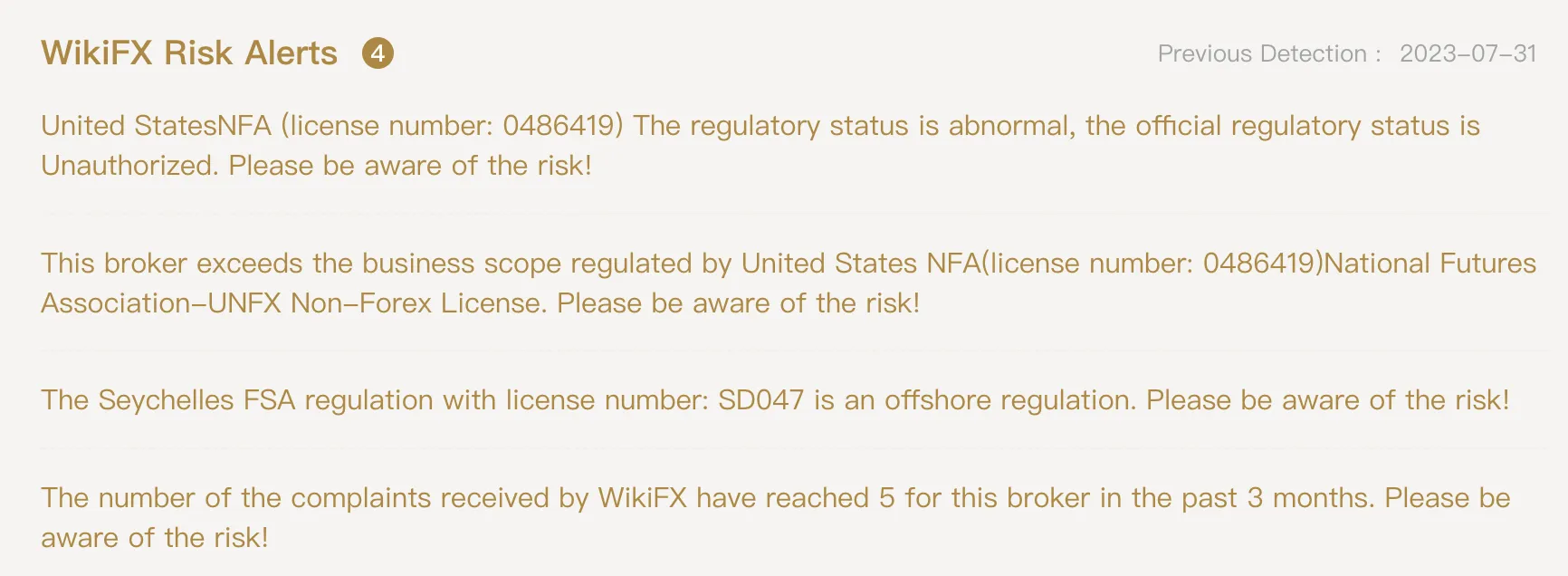
BDSwiss operates as a broker offering retail CFDs trading services, including forex, shares, commodities, indices, and cryptocurrencies. Besides its Cypriot entity, the broker is authorized in Mauritius and Seychelles, primarily utilizing offshore licenses to navigate the stringent limitations imposed by European regulators.
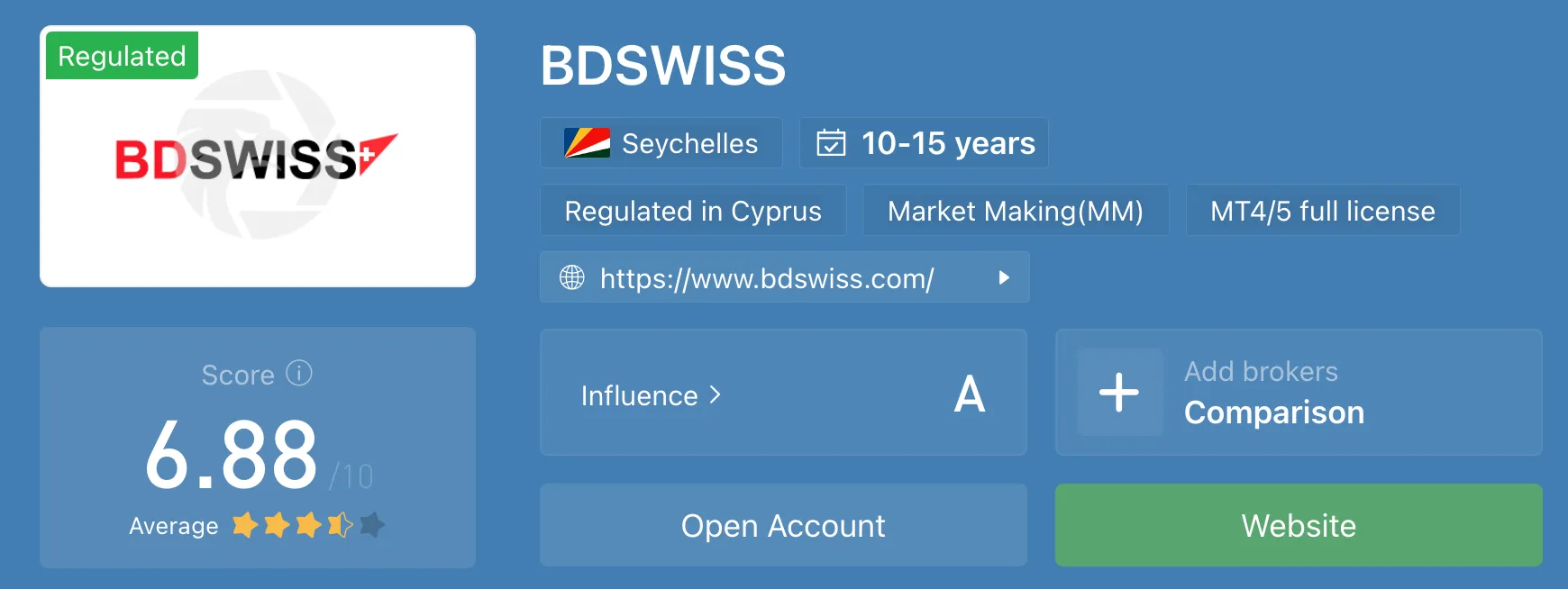
According to CySEC's registry, BDSwiss obtained its Cypriot license in 2013 and operates under three different brand names: BDSwiss, Swissmarkets, and Viverno.
It is noteworthy that BDSwiss Holding has previously encountered regulatory issues. In 2017, the company reached a settlement with CySEC, paying a €150,000 penalty for suspected violations of business conduct, and an additional administrative fine of €5,000 was imposed. Furthermore, multiple trading brands falsely claiming association with BDSwiss were blacklisted by CySEC. The repercussions of these regulatory actions extended beyond Cyprus, as the UK's Financial Conduct Authority (FCA) suspended BDSwiss Holding and all other entities under the BDSwiss Group in 2021 from offering CFDs to UK investors. The suspension resulted from the company onboarding a considerable number of UK investors through overseas entities.
CySEC, entrusted with the oversight of financial services companies operating in Cyprus, maintains its proactive approach against non-compliance within the industry. The regulatory authority's efforts are focused on upholding a compliant and regulated financial environment.