Abstract:Understanding the phenomenon of multiple forex brokers sharing registered addresses and the underlying potential risks as well as implications.

In the world of Forex trading, it is not uncommon to discover that multiple brokers operate from the same registered address or business address. This intriguing phenomenon raises questions about the reasons behind such clustering and the potential risks associated with it. In this article, we will delve into the factors contributing to this occurrence, shed light on the underlying risks involved, and help traders navigate this landscape with increased awareness.
The clustering of Forex brokers with the same registered address often stems from various factors. Firstly, establishing a business in a specific jurisdiction might offer tax benefits or regulatory advantages. By sharing a registered address, brokers can pool resources, share administrative costs, and benefit from a collective presence in a desirable location. Moreover, regulatory bodies in certain jurisdictions may enforce stringent requirements, making it easier for brokers to meet compliance obligations by utilizing shared resources.
Example of different brokers sharing the same address:

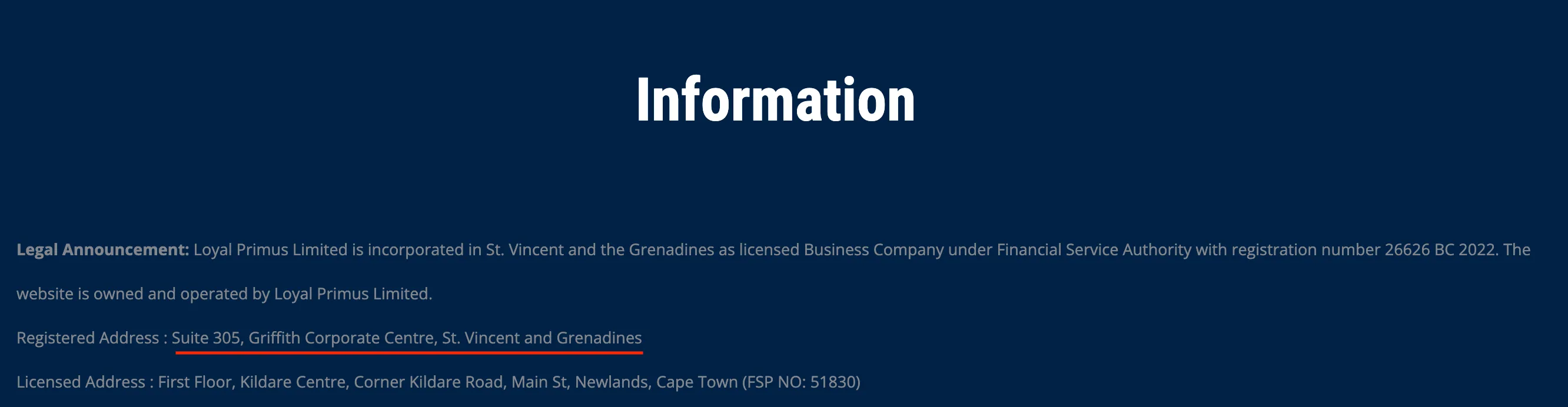
While the practice of sharing a registered address may have legitimate reasons, it is crucial for traders to be aware of the potential risks associated with this phenomenon. One significant concern is the possibility of unscrupulous activities, such as fraudulent schemes or unethical practices. In instances where a broker acts dishonestly, shared addresses can complicate efforts to hold them accountable, as tracing responsibilities and identifying individuals involved becomes challenging.
Furthermore, shared addresses can create a perception of uniformity among brokers, leading traders to assume they are dealing with separate entities. This misconception can obscure the distinction between reputable and untrustworthy brokers, putting unsuspecting traders at a higher risk of falling victim to scams or experiencing inadequate client protection.
To safeguard against the risks associated with shared registered addresses, traders must prioritize due diligence. Thoroughly researching the regulatory framework of the jurisdiction in question is paramount, as it provides insights into the level of oversight and protection available to traders. Additionally, conducting comprehensive background checks on individual brokers, including their reputation, track record, and client feedback, can help mitigate potential risks.
Furthermore, traders should seek brokers who operate under robust regulatory frameworks and adhere to industry best practices, even if they share a registered address. A reputable broker will typically display transparency in their operations, maintain segregated client accounts, and provide accessible customer support.
In conclusion, the existence of multiple Forex brokers sharing registered addresses is a complex phenomenon with both legitimate reasons and inherent risks. Traders must exercise caution and conduct thorough research when selecting a broker, focusing on factors such as regulatory compliance, reputation, and client protection. By being informed and vigilant, traders can navigate this landscape with greater confidence and reduce the likelihood of falling victim to fraudulent practices or unethical behaviour.