


India Q1 FY27 GDP Growth Hits 7.8%: 3 Scenarios for INR and Gold
India's Q1 FY27 GDP grew 7.8%, beating a 7.4% poll and RBI's 7.0% projection. See three conditional scenarios for INR, rates and gold.
Original

简体中文
繁體中文
English
Pусский
日本語
ภาษาไทย
Tiếng Việt
Bahasa Indonesia
Español
हिन्दी
Filippiiniläinen
Français
Deutsch
Português
Türkçe
한국어
العربية
اردو




Abstract:One of the most frightening financial scams is the "grandparent scam," also known as the "emergency scam." It could be your very first time hearing this term, but surely you would’ve seen or heard of these cases somewhere. Keep reading to find out more!
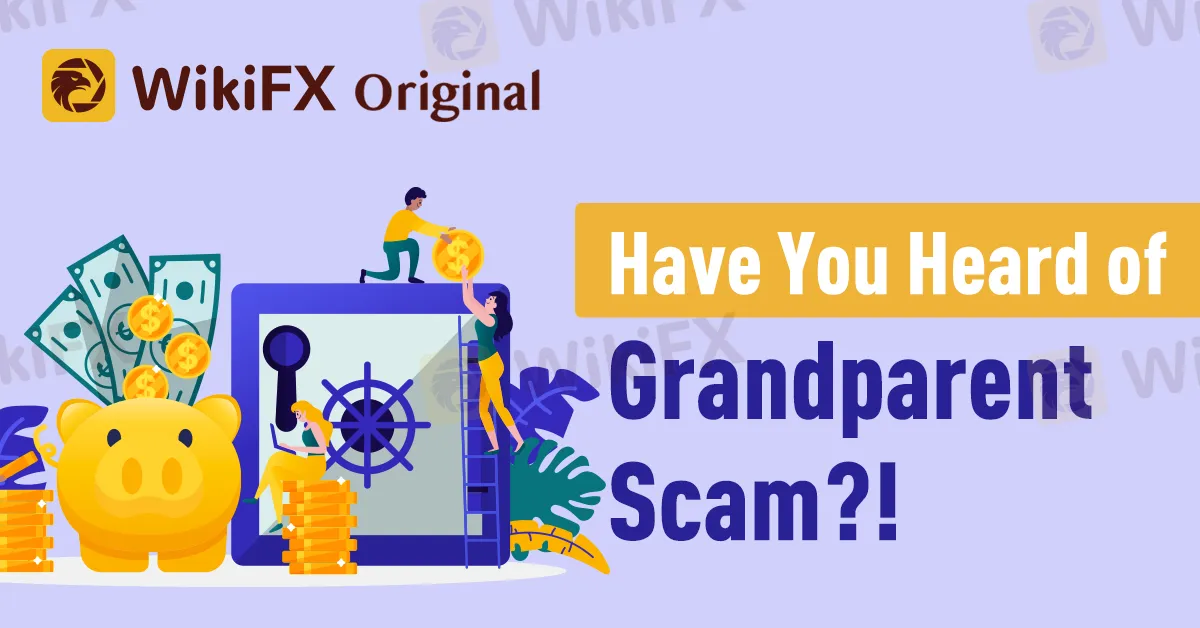
The grandparent scam is a type of fraud that specifically targets older adults by impersonating a grandchild in distress or a law enforcement officer. The scammer typically calls the victim, claiming to be a grandchild who has been in an accident, arrested, or hospitalized in a foreign country and urgently needs money to cover expenses.
The scammers will often use personal information about the victim and their family that they have obtained through social media, online directories, or other sources to make their story more believable. They may also claim that the situation is urgent and that the victim must act quickly to avoid further harm to their grandchild.
Once the victim is convinced, the scammer will ask them to send money via wire transfer, gift cards, or other untraceable methods. They may also ask for personal information, such as credit card numbers or social security numbers, to make the transfer. In some cases, the scammer may even arrange for a second person to pose as a lawyer or other official to convince the victim that the situation is legitimate.
Unfortunately, many older adults fall victim to this type of scam, as they may be more trusting and susceptible to the emotional pleas of someone claiming to be their grandchild. To avoid falling victim to the grandparent scam, it's important to verify the identity of anyone who contacts you with an urgent request for money, even if they claim to be a family member.

It's possible for scammers to use the grandparent scam tactic in the context of forex trading, although it is not a common occurrence.
To avoid falling victim to a forex-related grandparent scam, it's important to be skeptical of unsolicited offers or requests for any investment, especially from individuals or companies you don't know or trust. Always ask for more information, such as a full name or a specific incident or event, and try to contact the person directly through a known phone number or email address to confirm their identity. Additionally, never send money or personal information through wire transfer, gift cards, or other untraceable methods to someone you don't know or trust.
Moreover, it is crucial to always research the company or individual offering the investment, and never invest money you cannot afford to lose. Lastly be cautious of any promises of high returns with minimal risk, as forex trading always involves some degree of risk.
WikiFX is a website that provides information about forex brokers and serves as a platform for forex traders to share their experiences and ratings of different brokers. While WikiFX may not be specifically designed to prevent grandparent scams, it can be a useful tool for identifying and avoiding forex-related scams and fraudulent brokers that may be involved in such scams.
Here are a few ways an individual can use WikiFX to help prevent grandparent scams:
WikiFX provides detailed information about forex brokers, including their regulation statuses, customer reviews, and ratings. By using this information, one can easily identify reputable brokers and avoid those with a history of fraudulent behavior.
WikiFX also provides warnings and alerts about suspicious or fraudulent brokers. By checking these warnings, you can identify brokers or companies that may be involved in grandparent scams or other types of fraud.
WikiFX allows users to rate and review forex brokers, providing valuable insights into the quality of service and potential risks associated with trading with a particular broker.

Disclaimer:
The views in this article only represent the author's personal views, and do not constitute investment advice on this platform. This platform does not guarantee the accuracy, completeness and timeliness of the information in the article, and will not be liable for any loss caused by the use of or reliance on the information in the article.
India's Q1 FY27 GDP grew 7.8%, beating a 7.4% poll and RBI's 7.0% projection. See three conditional scenarios for INR, rates and gold.
Choosing a forex liquidity provider is not a search for the lowest displayed spread or the longest provider list. It is a broker decision about pricing integrity, depth, routing, credit, reporting, incident response, and client communication. This 2026 guide explains how a forex LP, FX liquidity provider, or liquidity provider forex arrangement fits into a broker’s execution chain; what to test before onboarding; why a “best forex liquidity provider” claim cannot replace due diligence; and how to compare cost beyond commission. Use the execution-quality scorecard, provider questions, routing scenarios, and 90-day onboarding plan to assess whether a liquidity relationship can support your actual client mix, instruments, risk model, and jurisdiction. The goal is not to make a universal ranking. It is to build evidence that your broker can explain, supervise, reconcile, and recover its execution service when market conditions are difficult.
We all love trading geniuses and their strategies that earn them profits season after season. And we also love following them to make our investment journey seamless. Copy trading is one such tactic that beginners employ to enter the forex market. What do most of them usually do? They pick an experienced investor from the list and let the platform replicate every trade automatically. The fact that experienced traders continually earn profits, the feeling of copying their trades remains intense. However, the uncertain forex landscape can bite you hard by simply copying trades and not focusing on technical analysis and the charts during the day. Beginners can have a set of preconceived notions that can potentially open the gate for losses. In this article, we have highlighted such mistakes traders should avoid.

As the global forex market continues to move toward regulatory convergence and greater transparency, “trust,” a concept long and frequently emphasized, is gradually evolving from a subjective perception into a quantifiable and verifiable industry standard. WikiFX announces that its industry initiative, “Let Trust Be Seen,” has achieved phased results, attracting broad attention and participation worldwide.
WikiFXWikiFXWikiFXWikiFXWikiFXWikiFXWikiFXWikiFXWikiFXWikiFX