


FCA Warning Capital Zodiac 7 September 2026 and Seven Checks Before Paying
The FCA named Capital Zodiac as an unauthorised clone on 7 September 2026. Check capitalzodiac.com, capitalzodiac.net and FRN 806702 before paying.
Original

简体中文
繁體中文
English
Pусский
日本語
ภาษาไทย
Tiếng Việt
Bahasa Indonesia
Español
हिन्दी
Filippiiniläinen
Français
Deutsch
Português
Türkçe
한국어
العربية
اردو




Abstract:The state of Tennessee sued Walgreens on Wednesday, accusing the retail pharmacy giant of fueling the state’s opioid epidemic by willfully flooding the market with an oversupply of prescription narcotics in violation of consumer protection and public nuisance laws.
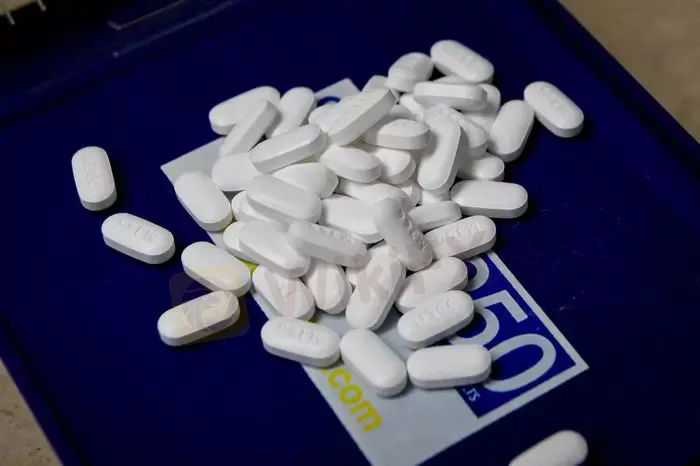
According to the lawsuit, Walgreens used its position as one of the states largest pharmacy chains to dispense over 1.1 billion oxycodone and hydrocodone pills within Tennessee from 2006 to 2020, roughly equivalent to 175 tablets for every resident of the state.
“The sheer volume of opioids that Walgreens released into Tennessee was unreasonable and highly suspicious on its face,” said the 148-page lawsuit, filed in Knox County Circuit Court. “Walgreens utterly saturated the state of Tennessee with narcotics.”
Tennessee, home to nearly 7 million residents, has been one of the hardest-hit in the U.S. opioid crisis, documenting at least three opioid-related overdose deaths every day, according to the lawsuit.
“Walgreens did not flood the state of Tennessee with opioids by accident. Rather, the fuel that Walgreens added to the fire of the opioid epidemic was the result of knowing – or willfully ignorant – corporate decisions,” it said.
Walgreens has been the target of similar lawsuits brought by other jurisdictions.
In May, its corporate parent, the Illinois-based holding company Walgreens Boots Alliance Inc, reached a $683 million settlement with Florida to resolve claims that the pharmacy chain exacerbated an opioid epidemic in that state. But Walgreens did not admit to wrongdoing under the agreement.
“We will continue to defend against the unjustified attacks on the professionalism of our pharmacists, dedicated health professionals who live in the communities they serve,” the company said in a statement emailed to Reuters on Wednesday.
“Walgreens never manufactured or marketed opioids, nor did we distribute them to the pain clinics and ”pill mills“ that fueled this crisis,” the company said.
According to the lawsuit, Walgreens effectively became part of an “unlawful controlled substance selling scheme” by ignoring numerous signs of suspicious opioid prescription practices.
The suit cited such “red flags” as a lack of individualized dosing; multiple prescriptions for the strongest dose available; many customers with the same diagnosis codes; high percentages of patients paying in cash; customers frequently seeking early refills; and customers traveling long distances to fill prescriptions.
Tennessees greatest jump in opioid dispensing, according to the lawsuit, coincided with the years 2006 to 2014 when Walgreens operated as a wholesale distributor for its own pharmacies, thus occupying two rungs of the supply chain.
Operating some 200 to 300 stores statewide, Walgreens pharmacies collectively purchased 795 million opioids from distributors during that period, the suit said. Some were sourced from other wholesalers, but Walgreens “self-distributed” 81% of its own retail opioid supplies in that era, according to the complaint.
A similar lawsuit brought against Walgreens and two pharmaceutical companies by the city of San Francisco is now under consideration by a federal judge following an 11-week trial during which the two other firms reached a $58 million settlement with the city last month.
Separately, a federal court jury decided in November that Walgreens, along with fellow pharmacy chain CVS Health Corp and discount retail giant Walmart Inc, was liable for helping create a public nuisance with an alleged flood of pain pills that wound up on the black market in two Ohio counties.
It is now up to a federal judge to decide what the companies should pay.

Disclaimer:
The views in this article only represent the author's personal views, and do not constitute investment advice on this platform. This platform does not guarantee the accuracy, completeness and timeliness of the information in the article, and will not be liable for any loss caused by the use of or reliance on the information in the article.
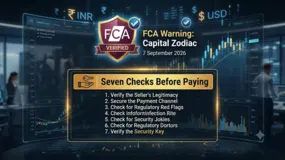
The FCA named Capital Zodiac as an unauthorised clone on 7 September 2026. Check capitalzodiac.com, capitalzodiac.net and FRN 806702 before paying.
This WEALTH-FX review starts with a licensing statement that needs verification. The client agreement on wealth-fx.com says the company is incorporated in St. Vincent and the Grenadines as 88102 LLC 2021 and is authorised and regulated by the SVG FSA. An official SVG FSA notice, however, says forex trading brokerage activities are not licensed in that jurisdiction. The same agreement separately names WealthFX Liquidity Limited, company 180782, and describes a Mauritius International License. For an India-based reader, those website claims do not replace RBI rules for permitted forex transactions or an independently confirmed licence record.
Did ePlanet, a Comoros-based brokerage, allegedly withhold your dollars on the platform? Did the broker prevent you from accessing the ePlanet login dashboard upon a withdrawal request? Did the broker platform execute trade orders slowly? Have you faced losses due to slippage? This ePlanet review 2026 evaluates user claims while also providing a regulatory overview of the broker.

FCA warns EXOTICINVEST in a notice first published and updated on 3 September 2026. The UK regulator identifies EXOTICINVEST TRADING AND INVESTMENT FIRM and the website www.exoticinvest.ltd, stating that the firm is not authorised and may be targeting people in the UK. This is a dated regulatory warning, not a customer review or a confirmed loss report. Anyone approached through the named website should stop before paying, avoid sharing login credentials and verify the exact business independently through the FCA Firm Checker.
WikiFXWikiFXWikiFXWikiFXWikiFXWikiFXWikiFXWikiFXWikiFXWikiFX