


ThinkMarkets Review for India 2026: RBI Alert, Regulation, Login, and Forex Risk
ThinkMarkets review for India: check the RBI Alert List, overseas entities, regulation, login security, forex rules, costs, withdrawals, and leverage risk.
Original

简体中文
繁體中文
English
Pусский
日本語
ภาษาไทย
Tiếng Việt
Bahasa Indonesia
Español
हिन्दी
Filippiiniläinen
Français
Deutsch
Português
Türkçe
한국어
العربية
اردو




Abstract:CASH stablecoin built on Solana has lost practically all of its value in an ‘infinite mint glitch’ attack that took place on Wednesday.
Key Insights:
Solana-backed stablecoin CASH suffered an exploit.
Cashio Dollar is an algorithmic stablecoin backed by USDT-USDC LP tokens.
Hacker siphoned million using an ‘infinite mint glitch.’
DeFi exploits and hacks have become a recurring phenomenon in the crypto markets. Recently another exploit came to light after Solanas stablecoin protocol Cashio lost millions in a hack bringing the TVL of the protocol down to the lowest.
Another Exploit, Another Coins Value Lost
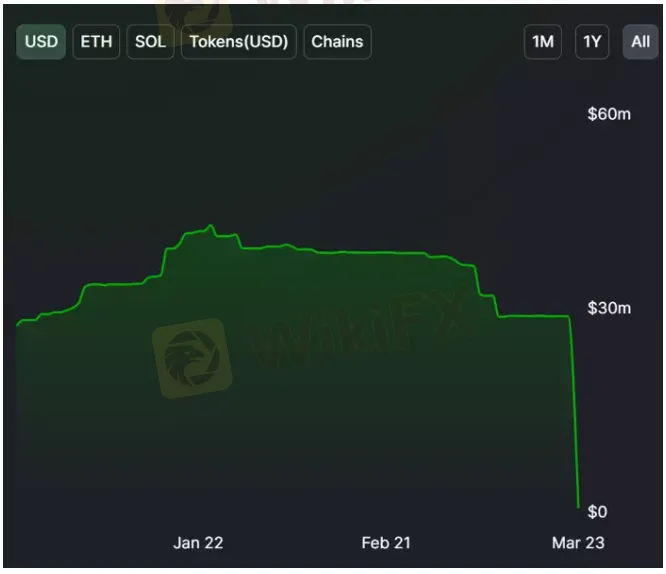
Cashio, a stablecoin on the Solana blockchain, was exploited for almost $28 million on March 23. The protocol has lost practically all of its value in the hack leading to a complete collapse of its flagship stablecoin, CASH.
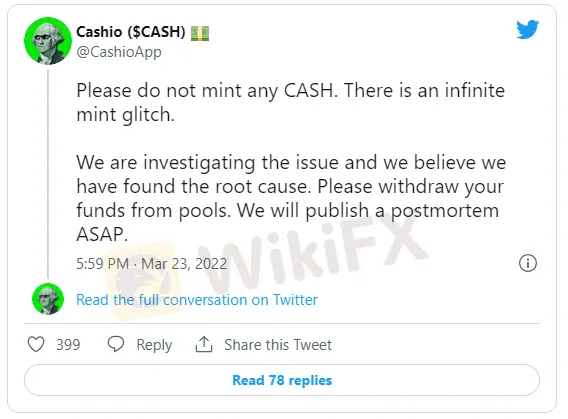
The organization shared with its Twitter followers that the exploit was an ‘infinite mint glitch.’ Cashio also stated that they are currently investigating the issue and have not found the incidents root cause.
Cashio Dollar (CASH) is an algorithmic stablecoin backed by USDT-USDC LP tokens. The token was launched by a developer called 0xGhostChain in November 2021.
Deposits are backed on Cashio by interest-bearing liquidity provider tokens. Anyone can provide liquidity with USDT and USDC to mint CASH. The hack occurred because the hacker found a vulnerability that allowed them to mint an infinite supply of CASH without sufficient backing.
Saber, a platform that enables cross-chain liquidity exchange for stable pairs, posted an update announcing that it had paused its CASH liquidity pools following the incident.
Data from DeFi Llama highlighted that the total value locked of the protocol fell from $28.87 million to $622,404.
In an infinite mint glitch, a protocol is mistakenly designed to allow users to mint as many tokens as possible without providing any collateral. Once a hacker can mint unlimited tokens, they can sell them on the market, crushing the tokens price.
Hacks on the Rise
This is not the first time a stablecoin based on another protocol has been hacked. Previously, Polygon-based Safedollar dropped to $0 after an exploit in June 2021, with both USDC and USDT being stolen by the hacker at the time.
Just yesterday, in a hot wallet attack, Arthur Cheong, DeFiance Capital founder, lost more than $1.5 million.
Furthermore, another DeFi exploit came to light last week when an attacker siphoned over $11 million from Agave and Hundred Finance through a flash loan reentrancy attack. Seemingly, protocols getting hacked have been synonymous with crypto markets as crypto crimes have risen over the years.
Disclaimer:
The views in this article only represent the author's personal views, and do not constitute investment advice on this platform. This platform does not guarantee the accuracy, completeness and timeliness of the information in the article, and will not be liable for any loss caused by the use of or reliance on the information in the article.
ThinkMarkets review for India: check the RBI Alert List, overseas entities, regulation, login security, forex rules, costs, withdrawals, and leverage risk.
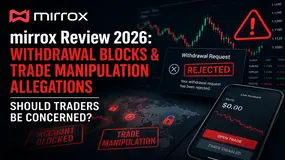
Did mirrox, a brokerage firm, ask you to keep your margin level above 250%-300% and make you add funds immediately if it dropped below it? Did the broker prevent you from opening a trade despite having a healthy equity balance? Did it close your trading account upon a withdrawal request? Many traders have raised these concerns online while sharing their respective mirrox reviews. This article aims to examine these user allegations while answering the popular question: Is mirrox legit or a scam?
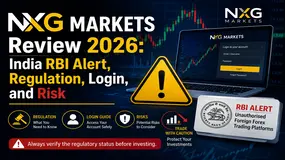
People searching NXG MARKETS regulation or regulation NXG MARKETS need to separate an overseas licence from permission in India. The Reserve Bank of India Alert List, updated 19 November 2025, names NXG Markets and nxgmarkets.com. RBI says listed entities are neither authorised to deal in forex under FEMA nor authorised to run an approved forex electronic trading platform. The broker's own site also says it does not serve residents or citizens of India. This NXG MARKETS review found an overseas Mwali licence record, but no RBI authorisation. No cited court ruling proves fraud. For an Indian user, the local warning and service restriction should control the decision.
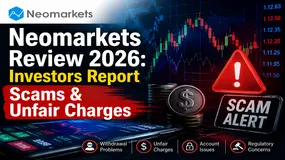
Neomarkets, a Kazakhstan-based brokerage firm, is facing some allegations of fund scams and unfair charges. These charges were reportedly on both deposits and withdrawals. As negative Neomarkets reviews became prominent on broker evaluation platforms, it was important to inspect these allegations and understand its regulatory scope. We have covered these in this article.
WikiFXWikiFXWikiFXWikiFXWikiFXWikiFXWikiFXWikiFXWikiFXWikiFX