Abstract:Jeffrey Gundlach, the CEO of DoubleLine Capital nicknamed “King of Bonds”, said he is expecting US dollar to go weak. He pointed out that due to US dollar’s relevance to the “twin deficits” of US in current account and budgets, the currency will likely drop in price.
Jeffrey Gundlach, the CEO of DoubleLine Capital nicknamed “King of Bonds”, said he is expecting US dollar to go weak. He pointed out that due to US dollars relevance to the “twin deficits” of US in current account and budgets, the currency will likely drop in price. “As foreign investors withdraw their capital, which I think will be a main trend in several years to come, the US dollar may significantly depreciate, starting from this year.”
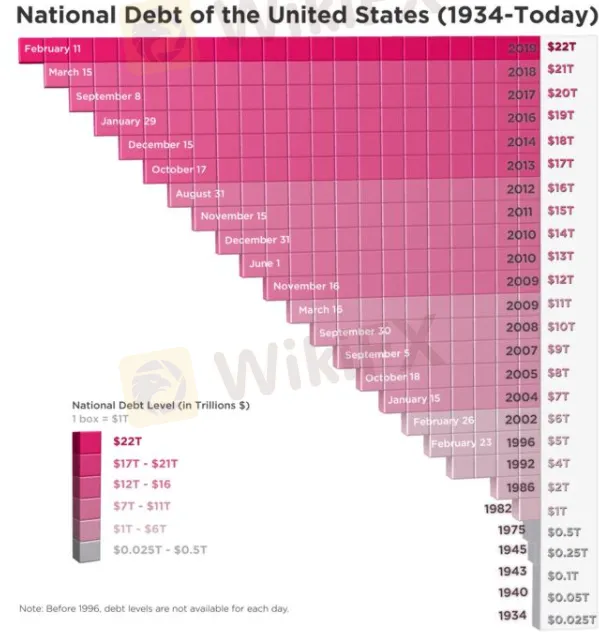
With a spending larger than income, US budget deficit for the first 3 months in fiscal year 2020 has expanded to US$356.6 billion, and if the trend continues, the Federal government‘s deficit may exceed US$1 trillion by the end of this year, which will be the highest since the financial crisis. Gundlach’s DoubleLine Capital manages approximately US$150 billion of assets, and he has been warning about decline of USD since January, 2018. Should his prophecy come true, Gundlach expects the price of gold and other commodities will benefit.
He also said the predictive indicators signaling economic recession are “flashing yellow”, pointing out that theres a 30%-35% likelihood for US economy to decline in the 2020. If PMI and consumer confidence index go low while unemployment increases, chance for a recession will be even bigger.
He also estimate that emerging markets will perform well this year, so investors should seek to purchase stock and bonds from these areas. As for political outlook, Gundlach thinks the greatest uncertainty facing US financial market will be Liberal Partys candidate for the presidential election, Bernard Sanders, as he sees the independent senate from Vermont to be the most promising in representing the Liberal Party in the 2020 presidential election.